by pankaj | Jul 24, 2023 | Beaches, Destinations, international, International Destinations, Vacations & Leisure
If you’re seeking a perfect blend of pristine beaches, breathtaking coastal views, and a laid-back atmosphere, Palm Beach in Australia should be at the top of your travel list for 2023. Located on the northernmost point of Sydney’s Northern Beaches, Palm Beach is a picturesque paradise that has become a famous destination for locals and tourists. From enjoying the sun-soaked sands to exploring the surrounding natural beauty, Palm Beach offers a range of experiences to create lasting memories. Before you embark on your journey, let’s delve into everything you need to know to make the most of your visit to Palm Beach in 2023.
Discovering Palm Beach:
- Stunning Beaches: Palm Beach is renowned for its two stunning beaches – the ocean-facing Palm Beach and the calmer waters of Pittwater on the other side. Whether you’re a sunbather, a surfer, or someone who enjoys beachside walks, these beaches cater to various interests.
- Barrenjoey Lighthouse: One of the iconic landmarks of Palm Beach is the Barrenjoey Lighthouse, perched atop Barrenjoey Head. A short hike to the lighthouse rewards you with panoramic views of the coastline and the Pacific Ocean, making it a must-visit spot for photographers and nature enthusiasts.
- Water Activities: The crystal-clear waters of Pittwater are perfect for water-based activities like kayaking, paddleboarding, and snorkeling. Embrace the opportunity to get up close with marine life and explore the hidden coves and inlets.
- Dining and Shopping: Palm Beach offers various dining options, from beachside cafes to gourmet restaurants. Enjoy fresh seafood and locally sourced ingredients while taking in the beach views. Additionally, explore the local boutiques and stores for unique finds and souvenirs.
- Ku-ring-gai Chase National Park: Just a short drive from Palm Beach, this national park boasts stunning landscapes, Aboriginal rock art sites, and diverse wildlife. Take a scenic bush walk or a boat tour to experience the park’s natural beauty up close.
Conclusion
As you plan your visit to Palm Beach in Australia for 2023, be prepared for a remarkable journey filled with breathtaking beaches, thrilling water activities, and unforgettable moments. Whether you seek relaxation, adventure, or exploration, Palm Beach caters to diverse interests. With its pristine beauty and laid-back charm, Palm Beach offers an escape from bustling city life, making it an ideal destination for locals and international travelers. So, pack your bags, embrace the coastal lifestyle, and immerse yourself in the natural wonders of Palm Beach for an unforgettable experience in 2023.

by pankaj | Jul 17, 2023 | Beaches, Destinations, International Destinations
Aruba, a Caribbean island known for its breathtaking beauty and crystal-clear turquoise waters, is a paradise for beach lovers. With its white sandy shores, swaying palm trees, and warm tropical climate, Aruba offers an idyllic setting for sunbathing, swimming, and a wide range of water activities. Whether you’re seeking relaxation, adventure, or a stunning backdrop to unwind, Aruba’s beaches have something for everyone. In this guide, we’ll explore the ten best beaches in aruba, each with unique charm and allure. So pack your sunscreen, grab your beach towel, and get ready to discover the tropical splendor of Aruba’s shoreline.
- Palm Beach:
Palm Beach is a vibrant and popular beach on Aruba’s northwest coast. With its wide stretch of powdery sand, calm waters, and lively atmosphere, it’s a favorite spot for tourists and locals alike. The beach has luxury resorts, restaurants, and bars, offering a perfect way of relaxation and entertainment.
- Eagle Beach:
Regarded as one of the most beautiful aruba beaches in the world, Eagle Beach is a pristine stretch of shoreline renowned for its soft, white sand and tranquil ambiance. The beach is dotted with iconic Divi Divi trees, providing natural shade for those seeking respite from the sun. It’s an ideal spot for long walks, picnics, and enjoying spectacular sunsets.
- Baby Beach:
Situated on the southeastern tip of the island, Baby Beach is a hidden gem that offers a unique swimming experience. Its shallow, calm waters make it an excellent choice for families with young children. Snorkelers will also delight in exploring the vibrant underwater life in the clear blue lagoon.
- Arashi Beach:
Arashi Beach is a serene retreat located near the California Lighthouse. Its tranquil waters and soft sands attract locals and tourists seeking a peaceful beach day. Snorkeling enthusiasts can explore the nearby coral reefs, teeming with colorful fish and marine life.
- Boca Catalina:
Boca Catalina is the perfect choice for those seeking a secluded and intimate beach experience. This small, picturesque beach is nestled between towering cliffs and boasts crystal-clear waters ideal for snorkeling and swimming. Take your snorkeling gear to explore the underwater beauty just a few steps from the shoreline.
- Malmok Beach:
Malmok Beach is a haven for water sports enthusiasts. Its calm waters and consistent breeze make it a popular spot for windsurfing, kitesurfing, and paddleboarding. Even if you’re not into water sports, you can relax on the beach and watch the colorful sails dotting the horizon.
- Rodgers Beach:
On the southern coast, Rodgers Beach offers a tranquil escape from the crowds. Its secluded setting, calm waters, and pristine sands make it an excellent spot for sunbathing and swimming. Bring your snorkel gear to explore the coral formations and spot various marine creatures.
- Andicuri Beach:
Andicuri Beach, known for its rugged beauty, is a favorite among surfers and bodyboarders. The powerful waves crashing against the shore create an adrenaline-fueled playground for those seeking an adventurous beach experience. Swimming at this beach can be challenging due to the strong currents, so exercise caution.
- Boca Grandi:
Boca Grandi is another paradise for surfers, renowned for its consistent winds and large waves. The beach is relatively secluded, providing ample space for surfers to catch the perfect wave. It’s a great place for non-surfers to watch the experts in action and enjoy the untouched natural beauty.
- Druif Beach:
Druif Beach is a serene and peaceful stretch of coastline near Eagle Beach. Its soft sands, calm waters, and gentle breeze make it an ideal spot for relaxation and beachcombing. The beach is also home to several resorts, offering convenience and amenities for visitors.
Conclusion
Aruba’s beaches are a testament to the island’s natural splendor and allure. From the vibrant and bustling shores of Palm Beach to the secluded and rugged beauty of Dos Playa, each beach offers a unique experience for visitors. Whether you seek relaxation, adventure, or a blend of both, Aruba’s popular beaches cater to every taste and desire. So, plan your visit, soak up the sun, and create unforgettable memories in this Caribbean paradise.

by pankaj | Jul 12, 2023 | Destinations, Family Trip, Friends Trip, international, International Destinations, Team Outings, Vacations & Leisure
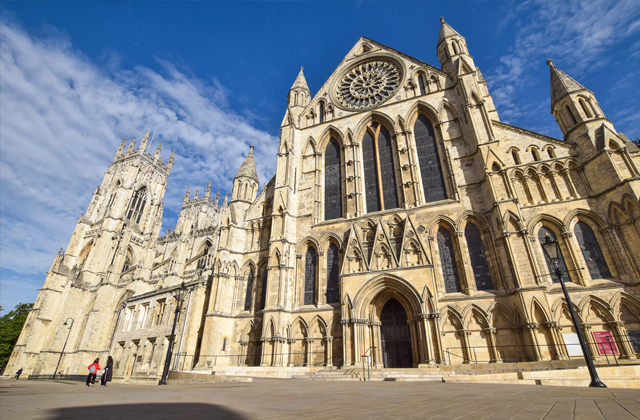
York, England, is a city steeped in history and charm, with its medieval architecture, ancient walls, and rich cultural heritage. While exploring the city, you’ll be pleased to discover several free activities and attractions. In this article, we will provide you with a list of free things to do in new york, allowing you to experience the city’s beauty and history without spending a penny.
- Explore York Minster:
York Minster is a magnificent Gothic cathedral that dominates the city’s skyline. While there is an admission fee to enter the Minster and climb the central tower, you can still admire its impressive exterior and intricate details for free. Take a stroll around the Minster and appreciate its grandeur from different viewpoints.
- Walk the City Walls:
York is famous for its well-preserved city walls, which offer panoramic views of the city and its historic landmarks. Take a leisurely walk along the walls and soak in the atmosphere of medieval York. Don’t miss the iconic Micklegate Bar, one of the main entrance gates to the city.
- Visit The Shambles:
The Shambles is a narrow, picturesque street lined with timber-framed buildings that date back to the 14th century. It’s a delight to wander through this charming street, with its unique shops, boutiques, and cozy cafes. Take your time appreciating the architecture and imagining the bustling market that once filled the area.
- Discover York’s Museums:
York is home to several museums that offer free entry. The York Museum Gardens, located behind the York Minster, houses the Yorkshire Museum, which showcases the city’s archaeological treasures and natural history. The National Railway Museum is another must-visit, featuring a vast collection of historic locomotives and railway artifacts.
- Explore the York City Centre:
Simply strolling through the city center of York is a treat in itself. Discover the quaint cobbled streets, browse the independent shops, and enjoy the lively atmosphere. Stop at the bustling market stalls in the Shambles Market and sample some local produce.
Conclusion
Visiting York, England, doesn’t have to be expensive, as there are plenty of free activities and attractions. From exploring the magnificent York Minster and walking the city walls to wandering through the charming streets of The Shambles, you can experience the city’s history and charm without spending a penny. Don’t forget to take advantage of the free museums and immerse yourself in York’s rich cultural heritage. Enjoy visiting this enchanting city and create lasting memories without breaking the bank.
by pankaj | Jul 6, 2023 | Blog, Destinations, national, Team Outings, Tips, vacations, Vacations & Leisure
The monsoon season in India, typically from June to September, can be a wonderful time to explore nearby destinations with lush greenery and enjoy the refreshing rain showers. If you’re looking for India’s nearest tourist places during this season, here are some recommendations:
- Sri Lanka:
Just a short flight from India, Sri Lanka offers a fantastic monsoon getaway. Explore the cultural sites of Sigiriya, visit the tea plantations in Nuwara Eliya, relax on the beautiful beaches of Bentota, or go wildlife spotting in Yala National Park. The southwest coast of Sri Lanka experiences its dry season during India’s monsoon, making it an ideal destination.
- Bhutan:
Nestled in the Himalayas, Bhutan is a stunning destination with breathtaking landscapes and a rich cultural heritage. The monsoon season brings lush greenery to the valleys, making it a great time to explore the capital city of Thimphu, visit the iconic Tiger’s Nest monastery in Paro, and immerse yourself in Bhutanese culture.
- Nepal:
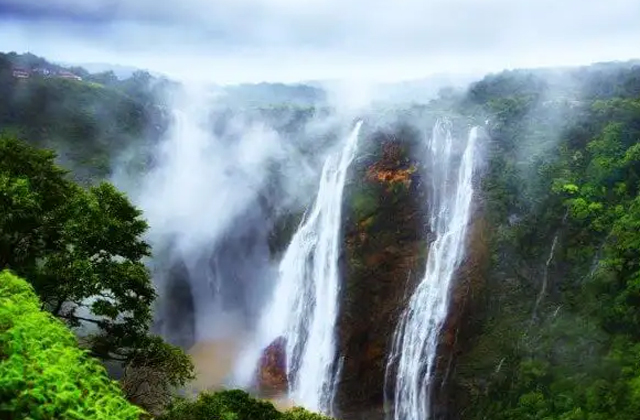
With its diverse landscapes and incredible mountain views, Nepal is a paradise for nature and adventure enthusiasts. During the monsoon season, the rain revitalizes the lush valleys and waterfalls. Head to Pokhara to enjoy the serene Phewa Lake and panoramic mountain vistas or explore the cultural treasures of Kathmandu and its surrounding areas.
- Myanmar (Burma):
Myanmar uniquely blends beautiful places, ancient temples, and rich history. The monsoon season brings cooler temperatures and occasional rain showers, making it a pleasant time to visit. Discover the awe-inspiring temples of Bagan, explore the floating gardens of Inle Lake, or soak up the colonial charm of Yangon.
- Maldives:
The Maldives, renowned for its pristine beaches and crystal-clear waters, can be a great monsoon escape. While it experiences some rainfall during this season, it often comes in short bursts, allowing you to enjoy the tropical paradise without the crowds. Indulge in water sports, relax at luxury resorts, and snorkel among vibrant coral reefs.
- Thailand (Andaman Coast):
While the Andaman Coast of Thailand experiences its monsoon season during India’s summer months, certain areas like Krabi and Phuket still offer favorable weather and are worth considering. You may encounter occasional rain showers but can still enjoy stunning beaches, go island hopping, and explore the lush rainforests.
Before planning your trip, remember to check the weather conditions and any travel sites. While the monsoon season can be a beautiful time to travel, it’s important to be prepared for occasional rain and plan accordingly.
by pankaj | Jul 6, 2023 | Beaches, Blog, Destinations, International Destinations, Tips, vacations, Vacations & Leisure
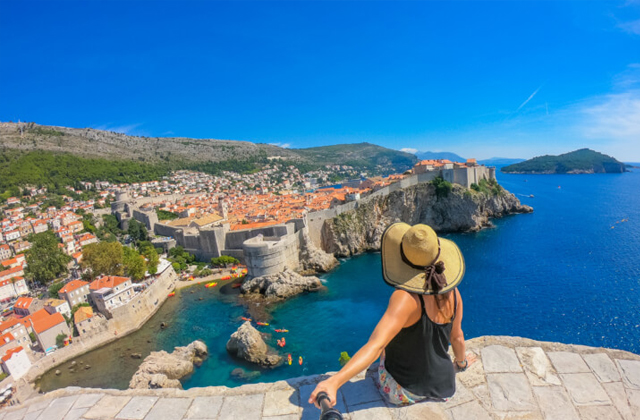
Croatia is a stunning country with diverse holiday destinations to suit every traveler’s preferences. Here are ten of the best croatia holiday destinations, along with the ideal time to visit each one:
- Dubrovnik: Known as the “Pearl of the Adriatic,” Dubrovnik offers a charming old town, historical sites, and beautiful beaches. The best time to visit is spring or autumn to avoid the summer crowds.
- Split: Split is famous for its ancient Roman palace, vibrant nightlife, and picturesque waterfront. The summer months of June to August are the busiest, but you can also enjoy pleasant weather in May or September.
- Hvar: Hvar is a glamorous island renowned for its trendy bars, lavender fields, and crystal-clear waters. It’s best to visit from May to September when the island comes alive with events and parties.
- Plitvice Lakes National Park: This UNESCO World Heritage Site features a series of stunning cascading lakes and waterfalls. The park is beautiful throughout the year, but the best time to visit is in the spring when the water levels are high and the foliage is lush.
- Rovinj: In the picturesque Istria region, Rovinj offers cobbled streets, charming architecture, and a vibrant arts scene. The months of June to August are the most popular, but you can also enjoy pleasant weather in May or September.
- Zadar: Zadar is a coastal city with Roman ruins, medieval churches, and modern art installations, including the unique Sea Organ. Visit during the spring or early autumn for pleasant weather and fewer crowds.
- Korčula: Known for its medieval walled town and beautiful vineyards, Korčula is one of Croatia’s most enchanting islands. The summer months are ideal for beach lovers, but you can also visit in late spring or early autumn for a quieter experience.
- Pula: Pula is home to one of the world’s best-preserved Roman amphitheaters, which hosts concerts and events in the summer. Visit from May to September for the best weather and to enjoy the city’s vibrant atmosphere.
- Zlatni Rat, Brač Island: Zlatni Rat is a unique beach on Brač Island, famous for its ever-changing shape and crystal-clear waters. The summer months are perfect for sunbathing and water activities, but you can also visit in the shoulder seasons for a more tranquil experience.
- Trogir: Trogir is a charming medieval town with well-preserved Romanesque and Renaissance buildings. Visiting in the spring or early autumn is best to avoid the crowds and enjoy pleasant temperatures.
Please note that specific weather conditions may vary yearly, so it’s always a good idea to check the current forecasts before planning your trip.
by pankaj | Jul 5, 2023 | Blog, City/State Tour, Destinations, Vacations & Leisure
Rome, the Eternal City, is a place rich in history, culture, and timeless beauty. While iconic landmarks like the Colosseum and Vatican City are must-see attractions, the city also offers visitors a range of exciting and new experiences. In this guide, we’ll explore seven of the best things to do in Rome, allowing you to discover a fresh perspective on this ancient city and create unforgettable memories.
- Explore the Centrale Montemartini:
Centrale Montemartini is a unique museum located in a former power plant. It showcases a captivating juxtaposition of ancient Roman sculptures alongside industrial machinery. This innovative exhibition creates a fascinating dialogue between ancient and modern, offering visitors a fresh and unexpected experience in Rome’s art scene.
- Visit the Mercato Centrale Roma:
Located within the historic Termini Station, the Mercato Centrale Roma is a vibrant food market that is one the best rome what to see things that bring together the best Italian cuisine under one roof. From traditional pasta dishes to gourmet pizza and gelato, you can indulge in a culinary adventure while immersing yourself in the lively atmosphere of this foodie paradise.
- Discover the MAXXI Museum:
MAXXI, the National Museum of 21st Century Arts, is a cutting-edge architectural masterpiece designed by Zaha Hadid. This contemporary art museum houses a diverse collection of art, architecture, and design, showcasing the works of renowned Italian and international artists. It’s a haven for art enthusiasts seeking a modern and thought-provoking experience in Rome.
- Wander through the Quartiere Coppedè:
The Quartiere Coppedè is a hidden gem tucked away from the usual tourist routes. This whimsical neighborhood is known for its eclectic and fairy-tale-like architecture, featuring intricate details, decorative elements, and unexpected designs. Strolling through its streets feels like stepping into a different world, making it a photographer’s paradise and a unique off-the-beaten-path experience.
- Explore the Cinecittà Studios:
Movie buffs and fans of Italian cinema should not miss a visit to the Cinecittà Studios. This legendary film studio has been the setting for numerous iconic films, including Fellini’s masterpieces. You can take a guided tour to explore famous movie sets, props, and behind-the-scenes secrets, offering a fascinating glimpse into the world of Italian filmmaking.
- Enjoy the Appia Antica Park:
Escape the bustling city and venture to Appia Antica Park, a vast green oasis that preserves the ancient Appian Way. This historic road has archaeological ruins, including ancient tombs, catacombs, and Roman ruins. You can rent a bike or take a leisurely walk along this scenic route, simultaneously immersing yourself in history and nature.
- Marvel at the Pyramid of Cestius:
The Pyramid of Cestius is an intriguing and unexpected sight in Rome. Dating back to 12 BC, this well-preserved pyramid is a testament to the city’s ancient past. It’s a fascinating structure to admire and offers a unique photo opportunity, particularly as it contrasts with the surrounding Roman architecture.
Conclusion
While Rome is known for its timeless treasures, the city also offers a range of new and exciting experiences for visitors to enjoy. From exploring unique museums and vibrant food markets to discovering hidden neighborhoods and cinematic studios, these seven activities provide a fresh perspective on the Eternal City. By incorporating these new attractions into your itinerary, you’ll have the opportunity to delve deeper into Rome’s rich culture and create memorable moments that blend the old with the new.