Every October, theme parks swap the sunshine for fog machines, and honestly, it’s glorious. Whether you want proper screams or just pumpkins and costumes with the kids, the best Halloween theme parks turn into a completely different place after dark. Think haunted houses, themed rides, family parades, and special treats you won’t find any other time of year.
This guide covers parks across North America, Europe, Asia, and Australia, so wherever you’re flying from, there’s a trip worth planning. If you also want ideas beyond theme parks, this roundup of thebest Halloween events worldwide in 2026 is worth a read. Dates and ticket rules change every year, so always confirm details on each park’s official website.
Best Halloween Theme Parks Around the World in 2026
Not sure which of the best Halloween theme parks deserves your vacation days? Here are eight standouts. If you’re hunting for the best Halloween theme park for scares, start with the Universal parks. If you want the best theme park for Halloween with kids in tow, jump to the Disney entries.
Universal Studios Hollywood
Location: Universal City, Los Angeles, California, USA
About the theme park: If you love a proper fright, start here. Halloween Horror Nights takes over the park with haunted mazes, roaming scare zones, and some of the most talked-about Halloween attractions in California. The nighttime event is usually ticketed separately from regular admission, so check exactly what your ticket covers. Popular Halloween events can sell out on busy nights, so book early. International visitors should also plan how to get around Los Angeles, since ride-share and rental car costs add up quickly. If you’re building a longer trip around your visit, thisUSA travel guide covers the best places to visit, things to do, and travel tips.
About the theme park: Orlando’s version of Halloween Horror Nights is known for immersive, movie-style haunted houses that make you feel like you’ve stepped into the film. Since it’s a full resort, you can stay at an on-site or nearby hotel and skip the late-night drive. Compare regular park admission with the separate event ticket, and look for official bundles. It suits teens and adults best, so save very young kids for the Disney parks.
About the theme park: Prefer pumpkins to panic? Halloween Time is the happy, family-friendly choice, with themed decorations, seasonal treats, and special entertainment. It’s one of the best Halloween theme parks for kids who want costumes, not nightmares, and there are plenty of Halloween activities for the whole family, from decorated streets to themed snacks. You can pair it with a Los Angeles trip, but expect bigger crowds on weekends.
About the theme park: Often praised as one of the best theme parks in the world, Europa-Park adds a spooky layer in autumn. Its Halloween attractions and seasonal entertainment draw visitors from across Europe. The surrounding region is lovely in the fall, so add a day or two for autumn walks and local food. Check the park’s seasonal opening calendar before booking, since open days vary through the year.
About the theme park: Seasonal Halloween entertainment, decorations, and family attractions make this one of the easiest picks for a Europe trip. Plenty of hotels are nearby, and the park is reachable from central Paris by train, so a combined city-and-theme-park holiday is simple to plan. Compare on-site hotels with nearby options and decide how many days you need for both.
About the theme park: Halloween celebrations depend on the annual program, so check the official site for this year’s schedule before booking flights. When it’s running, expect themed entertainment and autumn experiences with a distinctly Japanese creative flair. If the timing works, it’s a strong contender for the best Halloween theme park in Japan. Tickets can be date-specific, so review the ticketing page early.
About the theme park: Halloween-themed entertainment appears here where scheduled, along with family activities and seasonal attractions. It’s easy to cover in a day or two, which makes it a handy stop on a multi-city Asia trip. If you’re comparing the best Halloween theme parks in the region, put it on your shortlist, and check admission details and the seasonal calendar before you book.
Warner Bros. Movie World
Location: Oxenford, Gold Coast, Queensland, Australia
About the theme park: Fright Nights, when scheduled, bring haunted attractions and nighttime entertainment to the Gold Coast. For fans of haunted theme parks, it’s a highlight of the southern hemisphere. Other theme parks are nearby, so you can easily turn a scare night into a longer holiday. If you’re planning to travel in spring, check out thesebest spring festivals in Australia in 2026 to add some extra fun to your trip. Check how the evening event is ticketed and plan flights and transport ahead of time.
How to Plan a Budget-Friendly Halloween Theme Park Trip
Theme park trips get pricey fast, but a few smart moves keep costs down. Start by checking the official Halloween events 2026 calendar for each park you like, since schedules differ from park to park. Then follow this simple checklist:
Book flights and accommodation in advance. Prices usually climb as spooky season gets closer.
Compare park admission with separately ticketed Halloween events. Sometimes a bundle saves money, and sometimes it doesn’t.
Check official ticket bundles and eligible discounts. Stick to official sources so you know what you’re buying.
Compare transport, meal, and accommodation costs. These often matter more than the ticket itself.
Review park rules and event calendars before booking. Some nights have different hours or restrictions.
Remember, many Halloween theme parks include decorations, parades, and seasonal treats with regular admission. If scary mazes aren’t your thing, you can enjoy plenty of Halloween activities without paying for the extra event ticket. That’s a great way to enjoy the best Halloween theme parks on a tighter budget.
Final words
From Hollywood scares to Disney charm, the best Halloween theme parks offer something for every kind of traveler. Some parks are built for thrill-seekers, others for families, and a few do both. Before you book anything, compare dates, tickets, and travel costs, because even the best theme parks in the world are more fun when you plan. Keep an eye on official pages for Halloween events 2026 updates, then pack your costume and go have fun.
FAQs
What are the best Halloween theme parks around the world?
Our list of the best Halloween theme parks includes Universal Studios Hollywood, Universal Orlando Resort, Disneyland Resort, Europa-Park, Disneyland Paris, Tokyo Disneyland, Hong Kong Disneyland, and Warner Bros. Movie World.
Which Halloween theme parks are best for families?
The Disney parks are usually the gentlest choice. For the best theme park for Halloween with younger kids, they’re a safe bet. Haunted theme parks with scare-focused nights, like the Universal ones, suit teens and adults better.
When do Halloween theme park events begin?
It varies by park and year. Many start in the weeks before Halloween, and some begin as early as September. Check each park’s official calendar.
Do Halloween events require separate tickets?
Often, yes. Scare-focused nights usually need their own ticket, and some after-hours parties at family parks do too. Seasonal decorations and daytime fun are often included with regular admission, but always read the ticket details first.
How can international travelers save money on theme park trips?
Book early, compare official bundles, visit on quieter days, and weigh transport, hotel, and food costs, not just the ticket price.
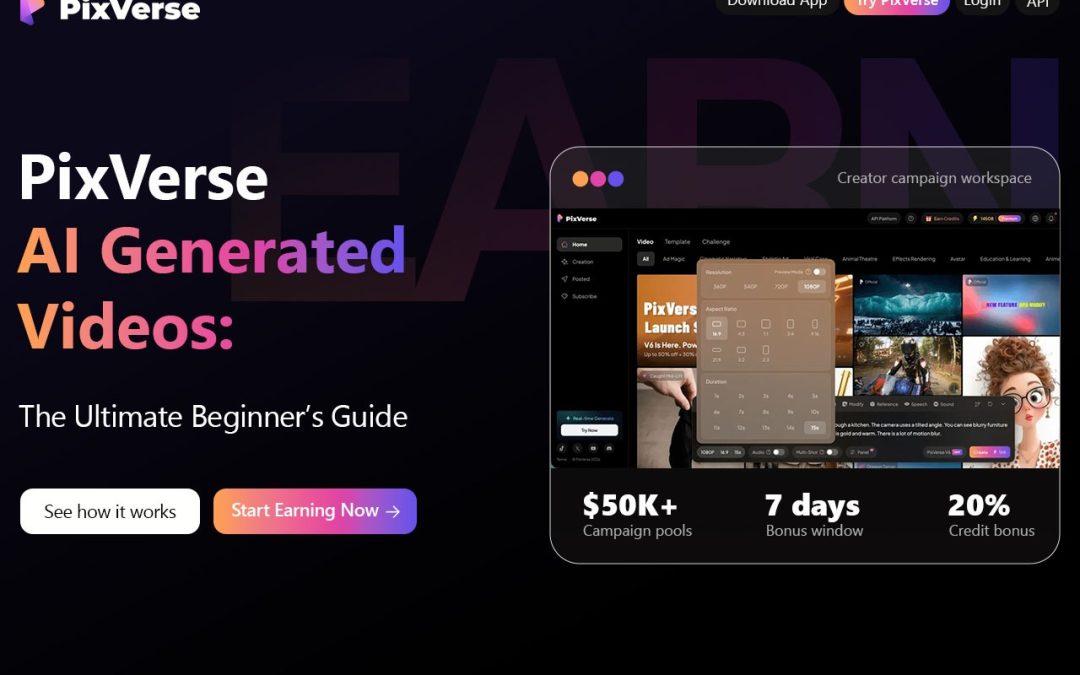
Remember when making a video involved bringing along a camera, lighting the shoot, and spending a whole weekend editing? These days, you can type a sentence and watch it turn into a moving clip. That’s the idea behind the PixVerse AI video generator, and it’s surprisingly fun to play with.
If you’ve been curious about AI video creation but have no idea where to begin, this guide is for you. I’ll walk you through what the tool does, how to use it, and a few tips I’d share with a friend.
What Is the PixVerse AI Video Generator?
Put simply, PixVerse AI is a platform that turns words and pictures into short video clips. You describe a scene or upload a photo, and the AI builds the motion for you. Think “a neon-lit street in the rain” or “a sneaker slowly rotating on a marble table.” No filming needed.
It belongs to a growing group of AI video tools that creators, marketers, and small business owners use to speed up their content. You can explore it on PixVerse.
This is the classic workflow. You write a prompt, and the platform generates a clip from it. Be specific about the subject, setting, lighting, and camera movement, and you’ll usually get better results. It works well for social media clips, concept ideas, and quick storytelling. Think of text-to-video AI as a sketchbook for moving images.
Image to Video AI
Got a travel photo, an illustration, or a product shot? Upload it, add a short instruction like “clouds drifting slowly,” and your still image comes alive. Image-to-video AI is a smart way to get more mileage out of visuals you already own.
Extra Creative Options
Depending on the model and your account, you may also see options like video extension, transitions, or audio-related features. These change over time, so check the platform to see what’s currently available to you.
How to Use the PixVerse AI Video Generator
Getting started is easier than you’d think. Here’s the simple path:
Step 1:Open the website- PixVerse site and sign up or log in.
Step 2:Pick your start point- choose text if you’re starting from an idea, or image if you already have a visual to animate.
Step 3: Write a clear prompt- include the subject, what it’s doing, the setting, the lighting, the camera movement, and the mood.
Step 4: Adjust the settings- choose an aspect ratio, duration, and resolution that fit where the video will live. Vertical works well for Reels and TikTok, while horizontal suits YouTube and widescreen viewing.
Step 5: Generate and review- don’t panic if the first result looks off. Even experienced creators go through a few rounds with the PixVerse AI video generator. Tweak the prompt, run it again, and compare.
Step 6: Export and share- Once you’re happy, export the clip. Before you publish, check any watermark, usage, and licensing rules that apply to your plan.
Tips for Better Results
A little prompt polish goes a long way. Here’s what tends to help:
Describe the movement- say whether the subject should walk, turn, fly, or transform. Vague prompts get vague motion.
Guide the camera- phrases like “slow zoom,” “close-up,” “tracking shot,” or “aerial view” give the AI a clear direction.
Set the mood- mention lighting, colors, and weather. “Foggy morning, muted tones” gives you a very different clip than “bright midday sun.”
Keep it focused- stuffing five unrelated actions into one prompt usually confuses the result. One clear action beats a messy pile.
Experiment with variations- Every AI video generator has its quirks, so try a few versions of the same idea and keep the best one.
If you’re making several clips for one project, reuse the same character descriptions and visual style so everything feels connected.
Who Can Use PixVerse AI?
Pretty much anyone with a creative idea and a few minutes to spare. Here’s who I think gets the most out of it:
Content creators: If you’re always hunting for fresh visuals for YouTube, Instagram, or TikTok, you can try out ideas without setting up a full shoot.
Digital marketers: Want to test an ad concept or a product teaser? You can sketch it out with the PixVerse AI video generator first, before spending real money on production.
Small business owners: Working with a tight budget? You can try out product visuals and short promo clips without hiring a crew.
Freelancers and designers: Instead of showing a client a flat slide, you can show them a moving concept. It makes your ideas much easier to picture.
Teachers and educators: Need something eye-catching for a lesson, presentation, or online course? A short clip can make a topic feel a lot more lively.
How good is PixVerse AI Video Generator?
In my view, yes, especially if you’re new to AI video creation. The PixVerse AI video generator gives you easy entry points: type an idea or upload an image, and you’re already experimenting. That said, let’s be realistic. Odd movements, small visual glitches, or elements that don’t fit your prompt might be present in AI videos. It may take a few tries and some editing to get it to look the way you see it in your head. Also, check the current pricing and account limits before committing to a plan, since these can change.
Final words
PixVerse AI video generator won’t replace a full production crew, but it’s a good way to test ideas fast and bring your imagination to life. Among today’s AI video tools, it’s a friendly place to start, whether you’re making social content, product promos, or creative stories. The best advice? Start small. Write a simple prompt, look at what comes back, and improve it step by step. Ready to try it? Head over to the PixVerse AI video generator and turn that first idea into a clip.
FAQs
What is the PixVerse AI video generator?
PixVerse AI video generator is an AI-powered tool that creates videos from text prompts and images. It helps content creators, marketers, and beginners produce visual content for social media, advertising, and storytelling.
How do you use PixVerse AI to create videos?
To use PixVerse AI, open its official website, access the video creation tool, enter a text prompt or upload an image, adjust the available settings, and generate your video. Review the result and refine your prompt if needed.
Is PixVerse AI free to use?
PixVerse AI may offer free access with certain usage limits, while additional features or generation credits may require a paid plan. Check the officialPixVerse website for current pricing and plan details.
Can PixVerse AI convert images into videos?
Yes. PixVerse AI supports image-to-video generation, allowing users to animate still images with movement. This can be useful for creating animated photographs, product visuals, social media clips, and creative scenes.
Can PixVerse AI generate videos from text?
Yes. Its text-to-video feature lets users describe a scene in a written prompt. The AI uses that description to generate a video, making it useful for visual storytelling, marketing concepts, and creative experiments.
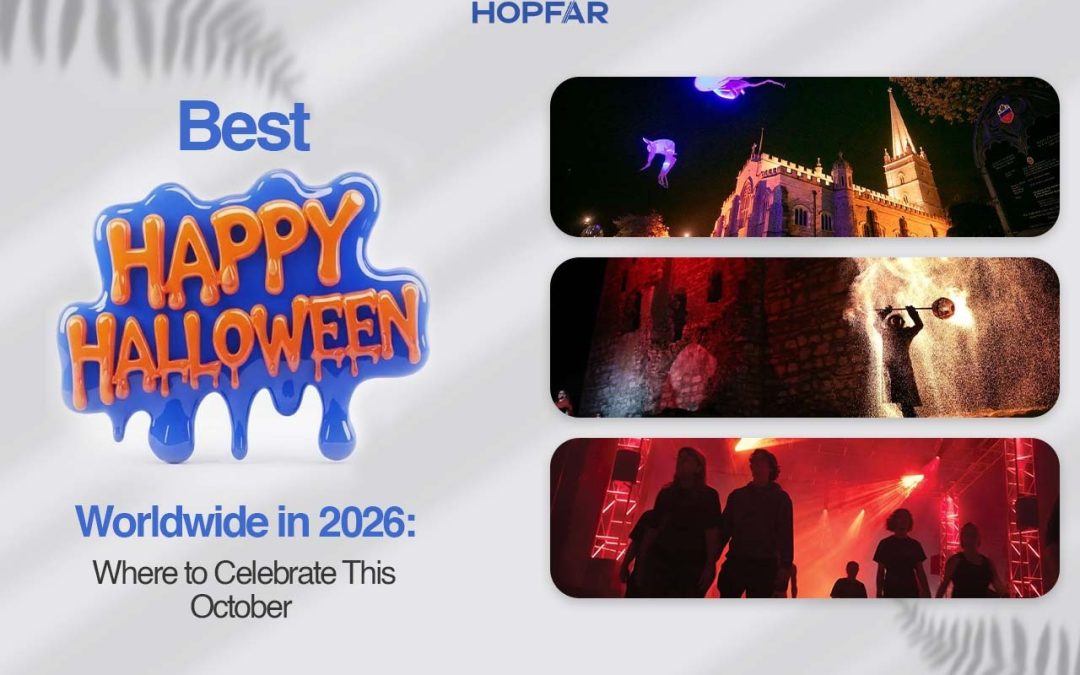
Halloween used to feel very American. These days, not so much. People celebrate it all over the world, and every place puts its own spin on it. Ireland holds on to its old Samhain roots, Disney parks fill the streets with parades, and cities from Hong Kong to Sydney throw huge costume parties. The range is wide, from folklore trails and fireworks to full-on horror nights, so kids, thrill-seekers, and party people all have something to choose from.
Halloween lands on a Saturday this year (October 31), so a weekend trip is easy to plan. We’ve pulled together Halloween events around the world, from big theme parks to cultural festivals, to help you find your match. If you’ve been searching for the best Halloween events 2026 and need travel ideas, start right here.
Best Halloween celebrations around the world in 2026
From traditional Celtic celebrations to huge theme-park events and lively street parties, these are some of the best Halloween celebrations around the world in 2026.
Derry Halloween, Northern Ireland
Where: Derry, Northern Ireland
When: October 28 to November 1, 2026
Best for: Traditional Halloween, parades and culture
Derry is one of the best places if you want a Halloween with real history behind it. The city leans into its Celtic past and folklore, and the programme includes the Awakening the Walled City Trail, a carnival parade, live entertainment and fireworks. The main parade takes place on October 31. If you’re hunting for the best Halloween events with a cultural twist, Derry deserves a spot on your shortlist. It’s a great fit for anyone who likes their scares with a side of history.
Púca ties modern Halloween back to Ireland’s ancient Samhain traditions. You’ll find live music, storytelling, food, and fire performances, and the Púca Procession travels between the different festival locations. Out of all the Halloween festivals 2026 has on offer, this one has some of the best atmosphere.
Halloween Horror Nights, Universal Orlando
Where: Universal Studios Florida, USA
When: August 28 to November 1, 2026, on select nights
Universal Orlando doesn’t hold back. Think movie-inspired frights and immersive haunted attractions. Once it gets dark, haunted houses, scare zones, and live shows take over the park. One thing to remember: a regular daytime ticket won’t get you in. If you love horror, this is one of the best Halloween events in the US.
Halloween Horror Nights, Universal Studios Hollywood
Where: Universal Studios Hollywood, California, USA
When: September 3 to November 1, 2026, on select nights
This one mixes Hollywood’s movie-making magic with large-scale Halloween horror. Expect haunted houses, scare zones, live entertainment, and the famous Terror Tram. If you want something a bit more premium, there are upgraded options too.
Not everyone wants to be scared out of their wits, and Disneyland gets that. You’ll find seasonal decorations, Disney characters, themed food, entertainment, and Halloween attractions all around the resort. It’s one of the best Halloween events for families who want the fun without the extreme scares.
Universal Studios Japan blends Japanese pop culture with a lively Halloween vibe. You can expect Halloween Horror Nights-style attractions, haunted experiences, seasonal entertainment, and special programmes running through the season. It’s easily one of the best Halloween events in Asia.
Tokyo Disney Halloween
Where: Tokyo Disneyland and Tokyo DisneySea, Japan
Tokyo Disney is more colourful than creepy. The focus is on characters, decorations, and entertainment, with Halloween parades, seasonal food, merchandise, and fireworks. It is one of the best Halloween events where you can enjoy it with your family and kids.
Singapore offers a big Asian Halloween experience built around immersive horror. Haunted houses, scare zones, supernatural themes, and a few selected rides add up to a high-energy night out.
Hong Kong Halloween Celebrations
Where: Hong Kong, including Hong Kong Disneyland and Ocean Park
When: September to November 2026, depending on the attraction
Hong Kong works well if you’d like Halloween to be just one part of a longer city trip. Hong Kong Disneyland and Ocean Park both run seasonal Halloween programmes, and the rest of the city hosts parties, cosplay events and themed entertainment. It’s a good example of how Halloween celebrations around the world can blend into everyday city life.
Bran Castle Halloween, Romania
Where: Bran Castle, Transylvania, Romania
When: October 24 to November 1, 2026
Best for: Gothic history, Dracula and atmospheric experiences
A castle in Transylvania already feels a little spooky before anyone hangs a single decoration. Bran Castle is linked to the Dracula legends, and during the Halloween season it adds special tours, themed experiences, and events on the night itself. If you’re a history lover, it’s one of the best Halloween events in Europe.
West Hollywood Halloween Carnaval
Where: Santa Monica Boulevard, West Hollywood, California, USA
Would you rather join a huge public party than wait in a theme park queue? Santa Monica Boulevard turns into one giant celebration, with over-the-top costumes, live music, food, entertainment, and big crowds. If you want one of the best Halloween parties 2026 has to offer, this is a solid choice.
Ghost Festival, Sydney, Australia
Where: The Rocks, Sydney, Australia
When: October 29 to November 1, 2026
Best for: Halloween atmosphere, families, live entertainment and nightlife
Sydney’s Ghost Festival turns The Rocks into a huge Halloween playground, with themed bars, Halloween food and drinks, live music, DJs, markets, roaming performers and giant installations. The festival is free to enter, making it a good option for travellers who want to experience Halloween in Australia without committing to a theme-park event.
How to Plan a Halloween Trip in 2026
If you want to enjoy your trip and experience the best Halloween events in 2026, here are some travel tips that can help you make your trip smooth and effortless
Book your accommodation early: Hotels near popular Halloween attractions can sell out fast around October 31. If you can, stay close to the event or near public transport. It makes getting around so much easier. If you’re planning your overall holiday, it’s also worth learninghow to plan a vacation before you book.
Check event dates and book tickets: Lots of Halloween events in 2026 start well before October 31 and carry on into November. Take a look at the official calendars and book the popular ones ahead of time.
Check age restrictions: Some events get properly intense, with horror scenes, loud sounds, and frightening characters. Read the age recommendations and event rules first, especially if you’re travelling with kids.
Plan your transport: Parades, festivals, and night events can mean heavy traffic and public transport delays. Check your route before heading out and allow some extra time. First-time travellers may also find thesetips for a new traveler useful when planning a Halloween getaway.
Pack for the weather: October weather can be completely different from one destination to the next. Check the local forecast and pack suitable clothes and comfortable shoes.
Confirm the details before you travel: Visit the official event website for the latest ticket prices, opening hours, costume rules, entry requirements, and cancellation policies.
Final Thoughts
The best Halloween events 2026 have something for everyone, from centuries-old traditions to big, modern theme park shows. Derry and the rest of Ireland are great for Samhain culture, the USA has huge horror attractions, Japan and Singapore put a fresh spin on the night, Romania brings Gothic history and a touch of Dracula magic, and Australia is a fun, different pick too. With so many Halloween events around the world, the best move is to choose the destination that fits your mood and budget. If you’re travelling internationally, thesetips for finding cheap flights in 2026 can also help you keep your travel costs in check. Pick your favourite destination, book early, and enjoy every spooky moment.
FAQs
What are the best Halloween events worldwide in 2026? Some of the best Halloween events in 2026 include Derry Halloween, Púca Festival, Halloween Horror Nights, Tokyo Disney Halloween, Bran Castle Halloween, and the Ghost Festival in Sydney.
When is Halloween in 2026? Halloween falls on Saturday, October 31, 2026.
Which country is best for Halloween celebrations? Ireland is a great choice for traditional Halloween and Samhain celebrations, while the USA is known for large-scale horror attractions and theme park events.
What are the best Halloween events for families? Disneyland Resort in California and Tokyo Disney offer family-friendly Halloween celebrations with themed decorations, entertainment, food, and character experiences.
Where can horror fans celebrate Halloween in 2026? Horror fans can choose events such as Halloween Horror Nights at Universal Orlando, Universal Studios Hollywood, Universal Studios Japan, and Universal Studios Singapore.
Not long ago, “going to work” meant one thing: a commute, a desk, and a badge. These days, a lot of people are asking whether it really has to be. Remote jobs have gone from a rare perk to an everyday option, and people everywhere are searching for work they can do from home, a café, or a totally different time zone.
If that’s you,FlexJobs is a good place to look for remote job opportunities and other flexible roles. In this guide, we’ll walk through what the platform does, what kinds of work you can find, how to search step by step, and how to stay safe while you do it.
What Is FlexJobs?
FlexJobs is a job search site built around flexible work. Instead of digging through every listing on the internet, you browse roles that are remote, hybrid, part-time, freelance, or have flexible schedules. So whether you’re after remote jobs or just a bit more control over your day, it’s much easier to spot flexible jobs that fit how you actually want to work.
You’ll find a mix of arrangements, including full-time, part-time, freelance, contract, and temporary roles. You can also search by category, so a writer isn’t stuck scrolling past nursing listings.
What Types of Remote and Online Jobs Can You Find?
Openings in different fields, and work-from-home jobs show up in customer service, marketing, writing, admin, and tech. Here is the complete breakdown:
Full-Time Remote Jobs
Full-time roles look a lot like office jobs, just without the office. You get regular hours, a steady paycheck, and often benefits too. They suit people who want stability and don’t mind a set schedule.
Part-Time Remote Jobs
Part-time roles fit around school, family, or another job. The hours are shorter, and some employers let you pick your own. They’re also a gentle way to find out whether remote work is really your thing.
Freelance Jobs
Freelancers work project by project. Writers, designers, developers, and translators often find freelance remote jobs this way, and you get to choose which clients you take on. It’s also a common route into online work if you want to build up a portfolio.
How to Find Remote and Online Jobs on FlexJobs
Create Your Profile
Head over toFlexJobs, sign up, and fill in your work history and the kind of role you’re after. A complete profile saves you a lot of time later.
Search for Jobs
Type in a specific job title, like “content writer” or “customer support.” Specific searches beat vague ones every time, especially when you’re hunting for remote jobs.
Use Filters
Narrow things down by category, schedule, experience level, or work arrangement. Filters are the quickest way to turn a long list into a handful worth reading.
Check Job Requirements
Look at the experience, skills, and time-zone expectations before you get too excited. If the role isn’t a fit, move on and save your energy.
Apply for Suitable Positions
Tailor your resume to each role and follow the employer’s instructions. Ten good applications beat fifty rushed ones.
How FlexJobs Can Help With Your Search
FlexJobs puts remote, hybrid, and flexible listings in one place, so you’re not bouncing between a dozen different sites. You can explore categories, compare roles, and decide whether full-time, freelance, or part-time work suits you best. That’s especially handy when you’re weighing flexible jobs side by side and haven’t picked a direction yet.
Tips for Finding the Right Remote Job
Here are the best tips that help you find the right remote job for you
Know your skills. Start with what you’re good at, then look for roles that use it.
Use specific job titles. “Project coordinator” will get you better results than just “job.”
Check experience requirements. Be honest with yourself about whether you fit.
Look at the work schedule. Remote jobs can mean fixed hours or total freedom, so find out which one you’re getting.
Read the full job description. The details often tell you more than the title does.
Keep your resume updated. Highlight skills like communication and time management, plus any online work you’ve done.
How to Avoid Online Job Scams
Most listings are legit, and most remote jobs are real, but scammers do exist. Keep an eye out for these red flags:
Upfront payment requests. A real employer won’t ask you to pay to get hired.
A mystery employer. Research the company and check for a proper website and contact details.
Unrealistic salary promises. Big money for almost no work is a classic warning sign.
Requests for sensitive information. Don’t hand over bank or ID details without a clear reason.
Vague job descriptions. If you can’t tell what the job involves, think twice.
Benefits of Remote and Online Jobs
You can also enjoy the benefits of remote and online jobs. Here are the main benefits that you can avail of:
Flexible working arrangements. You often get a say in where and how you work.
No daily commute. That’s time and money back in your pocket.
A wider range of job opportunities. Work-from-home opportunities let you apply to employers outside your city or even your country.
Better schedule flexibility. It’s easier to fit work around the rest of your life.
Options for different experience levels. There’s something for beginners and seasoned pros alike.
FAQs About FlexJobs and Remote Jobs
What is FlexJobs used for?
It’s used to search for remote, hybrid, part-time, freelance, and other flexible roles in one place.
Can I find remote jobs on FlexJobs?
Yes. You can filter by work arrangement and browse listings across lots of industries.
What types of online jobs are available?
Everything from customer support and writing to tutoring and tech. You’ll also come across freelance remote jobs and contract gigs, along with plenty of work-from-home opportunities.
Can beginners find remote jobs?
Yes. Entry-level work-from-home jobs exist in customer service, admin, and content roles. Focus on the skills you already have, and be ready to learn the rest as you go.
Are there part-time remote jobs on FlexJobs?
Yes. Part-time listings are available, so check whether each employer expects fixed shifts or lets you set your own hours.
How do I search for jobs on FlexJobs?
Use job titles and keywords, then narrow the results with filters like category, schedule, and experience level.
Conclusion
Finding the right remote role gets easier when you start with a plan.FlexJobs can help you explore remote job opportunities and other flexible work without the endless scrolling. Search by your skills, think about the experience you bring, and pick the work arrangement that fits your life. Then take your time, read each listing properly, and apply where it feels like a real match.
Planning an international holiday is exciting. Then you open a booking site, and the fares hit you. It happens to everyone, but a bit of planning really does help. Flexible dates, a look at baggage costs, a few minutes of comparing: small things like these keep your airfare from getting out of hand.
These cheap flight booking tips 2026 should help you book with a bit more confidence. And if you’re thinking about flying abroad, Malaysia Airlines is one option worth checking when you compare flights, schedules, and fares.
Smart Tips for Booking an International Flight in 2026
Booking an international flight doesn’t have to be stressful. A few tips can help you find aCheap Flight Booking Tips 2026
Be Flexible With Your Travel Dates
Your dates can change the price more than you’d think. If you can, try a few different departure and return days rather than taking the first fare you see. Weekday flights are sometimes priced differently from weekend ones, and flying in shoulder or off-peak periods usually gives you more options.
Public holidays and school vacations push demand up too. So one of the easiest cheap flight booking tips 2026 is to check prices across a few dates before you decide.
Compare Flight Options Before Booking
Don’t stop at the ticket price. Look at departure and arrival times, flight duration, and the number of stops. A cheaper connecting flight can add hours to your journey, so ask yourself whether the saving is worth it. Check what the fare includes as well, especially baggage. While you’re comparing international flights, you can checkMalaysia Airlines for routes, schedules, and fares that suit your plans.
Book Early and Watch Fares
Wait too long, and you may have fewer flights to choose from, especially in busy periods. Once you know roughly when you’re travelling, start keeping an eye on fares. There’s no need to book the moment you see a price. Compare a few dates and flights, and read the fare conditions before you pay.
It also helps to set a budget before you start searching. Then you can tell when a fare really works for you, instead of booking because it looked good at first glance.
Check Baggage and Additional Costs
A low advertised fare isn’t always the cheapest once everything is added up. Before you book, check the baggage allowance and see if checked luggage costs extra.
Look at other charges too, like seat selection, changes, and add-ons. What you actually pay matters more than the starting price. For accurate, current baggage details, check the information from Malaysia Airlines before you finish booking.
Prepare Your Documents Before Flying
Knowing how to plan an international trip takes more than finding a flight. Check your passport, visa, and other entry documents well before you leave.
Make sure your passport meets your destination’s validity rules, and find out whether you need a visa or travel authorisation. If you’re connecting through another country, check the transit requirements too. Keep digital copies of your important documents, plus paper copies you can get to easily. Sorting this out early makes departure day far less stressful.
Make Your International Journey More Comfortable
Long international trips can wear you out, especially after many hours in transit. A few easy steps help. Arrive at the airport with plenty of time for check-in, security, immigration, and boarding. Keep your passport, boarding details, phone, charger, and other essentials close by.
Some basic long-haul flight tips: drink plenty of water, wear comfy clothes, and get up and move around when you can. Checking yourMalaysia Airlines flight details and airport information before you leave home can help you feel more prepared too.
Final Checklist Before Booking
Before you pay, look at the full cost of the trip. Confirm your dates, destination, baggage allowance, flight timings, layovers, and fare conditions. Make sure your passport and any visa or transit documents are sorted. You can checkMalaysia Airlines for the latest flight and booking information for your journey before you make your final call.
Bonus Tips to Stretch Your Budget Further
A few more cheap flight booking tips 2026 that people often miss:
Check nearby airports. Flying from or into a different airport in the same region can sometimes change the fare. Just think about what it costs and how long it takes to get there.
Try a one-way search too. Once in a while, two one-way tickets work out differently from a return. It only takes a minute to check.
Set up fare alerts. Instead of refreshing the page every day, let alerts tell you when the price on your route moves.
Pack light. If a smaller bag covers your trip, you might skip extra baggage fees. Confirm the allowance for your fare first.
Avoid peak travel days when you can. Days around public holidays and school breaks tend to be busier, so moving your trip by a day or two can help.
Watch the currency and card fees. Paying in a currency your card doesn’t handle well can add small charges. Check before you pay.
Read the change and cancellation rules. A slightly cheaper fare isn’t a bargain if you can’t change it when your plans shift.
Think about travel insurance. It’s an extra cost, but it can give you real peace of mind on a big international trip.
Final Words
Finding an affordable international flight isn’t only about the lowest price on the screen. Compare dates, routes, baggage costs, and fare conditions before you book. These cheap flight booking tips 2026 can give you a clearer idea of what your trip will really cost. And always check the latest airline and destination requirements before you travel.
FAQs
How can I find cheaper international flights in 2026?
Compare a few travel dates, plan when you can, check different routes, and look at the total fare instead of just the advertised ticket price.
What should I check before booking an international flight?
Look at the flight schedule, total journey time, baggage allowance, fare rules, layovers, and destination entry requirements.
How to plan an international trip?
Start with your destination and budget. Then sort out flights, accommodation, travel documents, transport, and a simple pre-departure checklist.
Is it cheaper to book international flights early?
It depends on the destination, dates, demand, and availability. Booking early can give you more flight and schedule choices, and watching fares helps you compare your options.
The United States is a place where no two trips ever feel the same. One week you might be wandering through busy city streets, and the next you could be lounging on a tropical beach, hiking through a national park, or cruising down a scenic highway. Or you might just slow down and spend a few days enjoying museums, great food, and local culture.
This USA Travel Guide walks you through some of the country’s most popular destinations, exciting activities, transportation options, and practical advice to help you plan your trip and the kind of experience you enjoy. Think of the travel guide as your friendly starting point.
Best Places to Visit in the USA
There’s no shortage of spots worth adding to your list. Here are the best places to visit in USA for different types of travelers.
New York City, New York
New York City is an excellent choice to start any USA Travel Guide. It is packed with landmarks, restaurants, museums, and entertainment. Head to Times Square, stroll through Central Park, take a ferry to the Statue of Liberty, or catch the view from the Empire State Building.
Los Angeles, California
If beaches and the Hollywood scene are your thing, Los Angeles is a great pick. Walk along Hollywood Boulevard, relax at Santa Monica, explore Venice Beach, or head to Griffith Observatory for city views. The city is spread out, so renting a car makes life much easier.
Orlando, Florida
Orlando is a favorite with families and theme park fans, and it’s a must-have stop in any USA Travel Guide. Walt Disney World and Universal Orlando lead the way, but there’s also shopping, good food, and easy day trips around Central Florida.
Las Vegas, Nevada
Las Vegas is all about resorts, shows, restaurants, and a lively atmosphere. The Strip is the main draw. It’s also a handy base if you want to explore nearby desert landscapes in the Southwest.
San Francisco, California
San Francisco mixes famous landmarks, waterfront views, and interesting neighborhoods. The Golden Gate Bridge is a must-see, and Alcatraz Island offers a memorable slice of history. Add Fisherman’s Wharf, cable cars, and Chinatown to your list.
Grand Canyon, Arizona
If you love nature, no USA Travel Guide is complete without the Grand Canyon. The huge landscapes and colorful rock formations create unforgettable viewpoints, especially at sunrise or sunset. Ask anyone for the best place to visit in USA for pure scenery, and this will be a strong contender.
Yellowstone National Park
Yellowstone is perfect for wildlife and dramatic scenery, with geysers, hot springs, forests, lakes, and trails. The park is enormous and driving between attractions takes time, so plan around the areas you most want to see. If you like traveling light, these essential tips for backpacking are worth a read.
Honolulu, Hawaii
Honolulu blends beaches, outdoor adventure, and Hawaiian culture, which is why it earns a spot in any USA Travel Guide. Relax at Waikiki Beach, hike Diamond Head, go snorkeling or surfing, and enjoy the local food.
Best Things to Do in the USA
There’s a lot of variety when it comes to things to do in the USA. This part of our USA Travel Guide rounds up some popular options.
Explore National Parks
About: Mountains, forests, wildlife, geysers, and canyons across America’s national parks.
Location: Yellowstone, Grand Canyon, Yosemite, Zion, and Great Smoky Mountains.
Highlights: Hiking, camping, wildlife spotting, and scenic drives. Check park conditions before you visit.
Take a USA Road Trip
About: A road trip lets you explore at your own pace, with scenic routes and fun local stops.
Location: Pacific Coast Highway, Route 66, Blue Ridge Parkway, and the Southwest.
Highlights: Small towns, viewpoints, and great roadside food.
Enjoy the Beaches
About: The USA has beaches for every mood, from tropical coastlines to scenic Pacific shores.
Location: Florida, California, Hawaii, and South Carolina.
Highlights: Swimming, surfing, snorkeling, and sunbathing. Want to see which shores are trending? Check out the best beaches to visit in 2026.
Experience American Food and Culture
About: Dive into local dishes, markets, festivals, and historic sites.
Location: New York, California, New Orleans, and cities across the USA.
Highlights: Regional specialties, museums, and cultural events.
Enjoy Theme Parks and Entertainment
About: From theme parks to Broadway shows, this is one of the most fun things to do in USA, especially with family.
Location: Orlando, Las Vegas, New York, and Los Angeles.
Highlights: Rides, live shows, Hollywood attractions, and family-friendly fun.
Best Time to Visit USA
The best time depends on the region and what you want to do. When you use this USA Travel Guide to plan, these seasonal options can help:
Spring: Mild temperatures, blooming landscapes, and city sightseeing.
Summer: Great for beaches, road trips, and national parks, though it can get crowded.
Fall: Colorful foliage, cooler weather, and festivals.
Winter: Skiing and holiday experiences, plus warm escapes like Florida and Hawaii.
Planning Tip: Check the weather and local conditions before you finalize your USA Travel Guide itinerary.
Transportation in the USA
Choosing the right transportation in the USA makes your trip so much easier, especially when you’re covering big distances, and it’s an essential part of any USA Travel Guide.
Domestic Flights: Best for long distances, especially between the East and West Coasts.
Rental Cars: Ideal for road trips, national parks, and places with limited public transport.
Trains: Convenient on selected routes, particularly in the Northeast.
Public Transit: Subways, buses, and trains work well in big cities like New York, Chicago, Boston, and Washington, D.C.
Best USA Travel Tips for the First-Time Visitor
A little planning goes a long way. Keep these USA travel tips in mind before you leave.
Plan your trip before booking hotels, especially if you are travelling to multiple cities.
Check the local weather before going out each day.
Book popular attractions ahead during busy periods.
Keep your passport, ID, and reservations always with you
Check the national park rules, permits, and seasonal closures before going.
Make your itinerary flexible so you can make changes while travelling.
Download maps before going out and make your travel easy.
These tips for travelling in the USA are especially useful if you don’t know how big the country is and the regional differences. If you’re a new traveller here are the top 5 tips for a new travellerto begin their journey.
Final Thoughts
The USA has something for everyone, whether it’s buzzing cities, beautiful beaches, national parks, or road trips. Plan your route, pick the right transportation in the USA for your itinerary, and check the seasonal conditions before you go. Whether you’re hunting for the best place to visit in USA, comparing the best places to visit in USA, or lining up things to do in the USA, a little planning keeps your trip comfortable and full of memories. And before you zip up your bag, pack like an expert so nothing important gets left behind. With this USA travel guide, you
FAQs
What is the easiest way to plan a multi-city USA trip?
Start by grouping destinations within the same region. Then compare travel times, transportation options, accommodation locations, and the number of days available for each stop.
Are national parks suitable for first-time visitors?
Yes, but each park has different roads, facilities, weather conditions, and rules. Check official information before visiting and allow enough time for travel between attractions.
What should I pack for a trip across the USA?
Pack according to the regions and season you are visiting. Comfortable walking shoes, weather-appropriate clothing, travel documents, chargers, and basic travel essentials are useful for most trips.
Is public transportation available throughout the USA?
Public transportation is widely available in many large cities, but coverage varies considerably between regions. Some destinations are easier to explore by car.
How can I make a USA vacation more budget-friendly?
Compare transportation and accommodation prices, travel during less busy periods when possible, plan attractions in advance, and look for free or low-cost activities at your destinations.