by pankaj | Jul 24, 2026 | Blog, Family Trip, international, International Destinations, Latest Post, Travel Tips
Remember when traveling meant a folder stuffed with printed boarding passes, a crumpled paper map, and a phrasebook you never quite figured out how to use? Those days are mostly behind us. The best travel apps now handle almost everything for you, right from your phone. Need to book a flight, find your way through a city you’ve never set foot in, split a hotel bill, or ask a shopkeeper where the nearest pharmacy is?
There’s a travel app for that. Good ones don’t just save you money on bookings; they help you navigate unfamiliar streets, stay on budget, get past language barriers, and keep every reservation in one tidy place instead of scattered across a dozen email confirmations. In this guide, we’ll walk through the best travel apps in the world for 2026, break them down by what they’re actually good for, and answer the questions people ask most before a trip.
Why You Need Travel Apps
Traveling without the right app can turn what should be an exciting trip into a logistical headache. That’s why travel planning apps have quietly become non-negotiable for most people who travel regularly:
- They save you time and money. Instead of hopping between ten browser tabs to compare flight prices, one app does it in seconds.
- They let you book flights and hotels on the fly. Missed your connection? Rebook from the gate.
- They help you navigate unfamiliar destinations. No more asking strangers for directions in a language you barely speak.
- They keep everything in one place. Tickets, hotel confirmations, rental car details no more digging through your inbox at 6 a.m.
- They make the whole trip smoother. Reviews, live translations, local recommendations the little things that actually improve your experience.
Put simply, these are the qualities that make the best apps for travelers worth having on your phone before you even pack your bags.
Top 10 Travel Apps in the World
If u are confused choose the right app to use while travelling, here are some of the best travel apps that make your trip effortless.
1. Google Maps
It’s hard to talk about navigation without mentioning Google Maps first, and for good reason. It’s still one of the best travel apps for getting around, whether you’re driving through a new country or wandering a city center on foot. You get real-time traffic updates, downloadable offline maps for when your data runs out, and a solid list of nearby restaurants and attractions with actual reviews from people who’ve been there.
2. Google Translate
Language barriers feel a lot less scary with this one in your pocket. Google Translate handles instant text and voice translation across dozens of languages, and its camera feature is genuinely useful; point it at a menu or a street sign and watch the words flip into English (or whatever language you need). The offline packs mean you’re not stuck if you lose signal, which makes it one of the more reliable travel apps for anyone heading abroad.
3. Tripit
If your inbox is a mess of confirmation emails right before a trip, TripIt fixes that. Forward your bookings to it, and it quietly builds a full itinerary, flight times, hotel check-ins, rental car pickups, all in one timeline. It syncs across your devices too, so whether you’re checking your phone at the airport or your laptop the night before, everything lines up.
4. Skyscanner
For anyone chasing a good flight deal, Skyscanner tends to be the go-to. You can compare prices across dozens of airlines at once, search hotels and car rentals in the same app, and set price alerts so you’re not manually checking fares every day. Its flexible date search is a nice touch too- handy if you’re not locked into exact travel dates and just want the cheapest option that week.
5. Booking.com
This one’s less about being flashy and more about sheer selection: hotels, apartments, hostels, you name it, across nearly every corner of the world. What people tend to like most is the flexibility: plenty of listings offer free cancellation, and the reviews are detailed enough that you actually know what you’re booking before you show up.
For travelers who prefer booking directly through a hotel chain, Choice Hotels is another solid option worth exploring. You can learn how Choice Hotels can make your travel dreams a reality
6. Airbnb
If a standard hotel room isn’t really what you’re after, Airbnb opens up a different kind of stay: vacation rentals, unusual properties (treehouses, houseboats, the occasional castle), and local experiences hosted by actual residents. It’s a solid pick for travelers who want more space, more character, or just a bit more of a local feel to where they’re staying.
7. XE Currency
Nobody wants to do mental math every time they’re deciding whether something’s a good deal abroad. XE Currency solves that with live exchange rates and a straightforward converter, and it still works offline,s o even without signal, you can figure out whether that market stall price is actually a bargain.
8. Rome2Rio
Getting from one city to another isn’t always a simple flight-or-drive decision, especially in places with trains, buses, and ferries all in the mix. Rome2Rio lays out every option, compares them by cost and time, and helps you plan multi-city routes without needing to open five different booking sites. It’s especially handy for more complicated international trips.
9 . GetYourGuide
Think of this one as your shortcut to skipping the ticket lines. It’s built for booking tours, activities, and attraction tickets on the go, whether that’s a walking tour you found last minute or a museum pass you want locked in before you land. Most bookings confirm instantly and come with free cancellation, so it’s easy to plan loosely and adjust as your trip unfolds.
10. Hopper
This app is basically for the traveler who hates the feeling of booking too early and watching the price drop the next week. Hopper looks at historical pricing trends for flights and hotels and just tells you straight up: book now, or wait a bit. You can even freeze a fare for a small fee if you’re still deciding, a nice option if you’re trying to squeeze the best price out of a trip without obsessively refreshing search results.
At a glance, this makes it easier to see which of the best travel apps actually fit what you need, rather than downloading all of them and sorting it out later.
Tips for Choosing the Best Travel Apps
Not every app suits every kind of traveler, so it helps to think about what you’ll actually use before deciding which must-have travel app deserves space on your home screen:
- Download offline maps before you leave. Do this at home on Wi-Fi, not scrambling for signal abroad.
- Prioritize apps with offline access, especially for translation and currency conversion; you won’t always have data.
- Read the reviews, not just the star rating. A quick scan of recent comments tells you a lot.
- Compare prices across a couple of apps, not just one; fares and rates can vary more than you’d expect.
- Keep your travel documents backed up somewhere secure, ideally within the same app that’s tracking your itinerary.
Do this, and you’ll end up with the best travel apps for international travel, not just the ones everyone happens to have heard of. Before heading anywhere new, it’s also worth reading these safe travel tips on evaluating security concerns abroad
FAQs: Best travel apps in the world
1. Which is the best travel app in the world?
Google Maps is generally considered one of the best travel apps in the world for getting around, while TripIt tends to win when it comes to keeping your whole trip organized.
2. What are the best travel apps for international travel?
Google Translate, XE Currency, and Rome2Rio are the ones that come up again and again for international trips; they take care of communication, budgeting, and figuring out transport across borders.
3. Are travel apps free to use?
Most of the ones mentioned in this guide- Google Maps, Google Translate, Skyscanner- are completely free. A few, like TripIt, offer a premium tier with extra features if you want them, but the free version covers the basics just fine.
4. Which travel app works offline?
Google Maps, Google Translate, and XE Currency all work offline in some capacity, which makes them reliable even when you’re somewhere with patchy or no signal.
Final thoughts
At the end of the day, the right mix of travel apps can genuinely change how a trip unfolds, from finding your way around a new city with Google Maps to keeping every booking straight with TripIt. They take a lot of the stress out of traveling and hand you back a bit of control.
So before your next trip, take ten minutes and download the best travel apps that actually match how you travel, whether that’s booking flights on the go, chatting with locals through a translation app, or just keeping an eye on your budget. A little prep goes a long way, and a well-prepared traveler almost always has a smoother, less stressful journey.
by pankaj | Nov 18, 2024 | Blog, Friends Trip, international, International Destinations, Latest Post, Travel Tips, vacations, Vacations & Leisure
India’s vastness is one of its greatest charms. From the snow-capped peaks of the Himalayas to the sun-kissed beaches of Goa, from the spiritual tranquility of Varanasi to the royal grandeur of Rajasthan, India is a land of contrasts. Here are some top destinations and experiences you should not miss:
1. The Spiritual Heart of India: Varanasi and Rishikesh
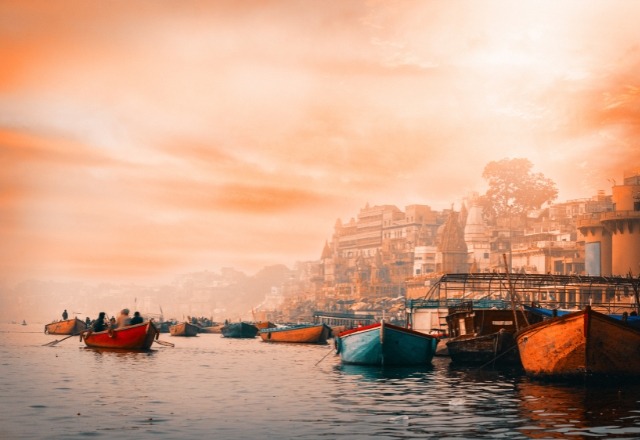
Varanasi: As one of the oldest living cities in the world, Varanasi is the spiritual and cultural heart of India. Located on the banks of the Ganges River, this city offers a deep connection to India's religious heritage. Visitors come here to witness the mesmerizing Ganga Aarti, take a boat ride on the Ganges at dawn, and experience the palpable sense of devotion that fills the air. The temples, ghats, and narrow alleyways are a living testament to India’s ancient traditions and spiritual practices.
Rishikesh: Known as the "Yoga Capital of the World," Rishikesh is a serene town nestled in the foothills of the Himalayas. It is a popular destination for spiritual seekers, yoga enthusiasts, and adventure lovers. You can join an ashram for a meditation retreat, try your hand at white-water rafting on the Ganges, or simply unwind in the peaceful surroundings of the mountains. Rishikesh is also a gateway to the Char Dham pilgrimage circuit, which includes some of the holiest shrines in Hinduism.
2. The Royal Glory of Rajasthan
Rajasthan, the land of kings, offers a fascinating blend of history, architecture, and vibrant culture. This northwestern state is dotted with grand palaces, fortresses, and colorful bazaars, all of which speak to its royal heritage.
Jaipur: Known as the "Pink City," Jaipur is famous for its stunning palaces and forts, such as the Amber Fort, City Palace, and Hawa Mahal. The bustling markets filled with textiles, jewelry, and handicrafts make it a paradise for shopaholics. Don’t miss a visit to the Jantar Mantar, an astronomical observatory with fascinating instruments.
Udaipur: Often called the "Venice of the East," Udaipur is renowned for its beautiful lakes and palaces. The City Palace, which overlooks Lake Pichola, offers breathtaking views, while the Jag Mandir Palace is a serene spot to watch the sunset. Udaipur’s charming streets and vibrant culture make it a romantic and peaceful retreat.
Jodhpur: Known for the majestic Mehrangarh Fort, Jodhpur is the gateway to the Thar Desert. The city’s blue-painted houses give it a unique, otherworldly vibe. The market near the clock tower, with its handicrafts, textiles, and spices, offers an authentic Rajasthani shopping experience.
3. The Beaches of India: Goa and Kerala
Goa: Goa is synonymous with pristine beaches, vibrant nightlife, and laid-back vibes. Whether you’re lounging on the beach, surfing the waves, or exploring the Portuguese-influenced churches and cathedrals, Goa’s unique mix of culture and natural beauty makes it a must-visit destination. Visit the beaches of Anjuna, Baga, and Palolem, each offering a different slice of paradise.
Kerala: Often referred to as "God’s Own Country," Kerala is famous for its tranquil backwaters, lush green landscapes, and idyllic beaches. Take a houseboat ride through the backwaters of Alleppey, relax in the hill stations of Munnar, or enjoy the cultural performances of Kathakali and Theyyam in local temples. Kerala’s Ayurvedic spas are world-renowned, making it a perfect destination for wellness and relaxation.
4. Adventure in the Himalayas: Leh-Ladakh and Himachal Pradesh
Leh-Ladakh: If you're an adventure seeker, Ladakh is a dream come true. With its stunning landscapes, snow-capped mountains, and rugged terrain, Leh-Ladakh is perfect for trekking, biking, and river rafting. The monasteries of Leh, like Hemis and Thiksey, offer a peaceful escape, while the magnetic hill and Pangong Lake are just some of the awe-inspiring natural wonders that make Ladakh so unique.
Himachal Pradesh: The Himalayan state of Himachal Pradesh offers some of the best trekking routes in India. Popular destinations include Manali, Shimla, and Spiti Valley. Whether you're hiking to the top of Triund or skiing in Solang Valley, Himachal offers thrilling experiences for nature lovers and adrenaline junkies alike.
5. South India’s Temples and Culture
Madurai and Chennai: Madurai, home to the spectacular Meenakshi Amman Temple, is a cultural hub in Tamil Nadu. The intricately carved gopurams (temple towers) are a testament to the architectural brilliance of the region. Chennai, a coastal city, offers a mix of historical sites, such as the Fort St. George and Kapaleeshwarar Temple, along with serene beaches and thriving classical dance and music traditions.
Hampi: A UNESCO World Heritage Site, Hampi is a marvel of ancient Indian architecture. The ruins of the Vijayanagara Empire, including the Virupaksha Temple and Vittala Temple complex, transport visitors to a different era. The boulder-strewn landscapes, ancient step-wells, and rock carvings add to the allure of this incredible site.
6. The Northeast: A Hidden Gem
India's northeast is an enchanting, less-explored region that offers natural beauty and rich cultural diversity.
Sikkim: Nestled in the Himalayas, Sikkim is home to lush valleys, pristine lakes, and magnificent monasteries. Tsongmo Lake and the Nathula Pass are popular spots for trekking and sightseeing, while Pelling offers panoramic views of Kanchenjunga, the third-highest mountain in the world. Sikkim’s Buddhist culture adds to its charm.
Meghalaya: Known as the "Abode of Clouds," Meghalaya offers breathtaking natural beauty with its misty hills, living root bridges, and waterfalls. The town of Shillong has earned the nickname "Scotland of the East" for its scenic charm, while Cherrapunji is one of the wettest places on Earth.
Tips for Traveling in India
Plan Ahead: India is vast and diverse, so it’s essential to plan your trip according to the regions you want to visit and the time of year. The weather can vary greatly, so packing accordingly is key.
Cultural Sensitivity: India is culturally diverse, and customs can vary from region to region. Respect local traditions, especially in places of worship.
Local Cuisine: India’s food is as varied as its people. Don’t miss out on regional specialties like Biryani in Hyderabad, Rajasthani Thali in Jaipur, and Dosas in Chennai. Just be mindful of the spice levels!
Transportation: India’s transportation options are varied, including trains, buses, taxis, auto-rickshaws, and even camel carts in some areas. It’s wise to book your train tickets in advance for long journeys, and be prepared for the sometimes chaotic nature of traffic.
Safety: While India is generally safe for travelers, always stay vigilant, especially in crowded areas. Be cautious of scams and take precautions when it comes to food and water.
by pankaj | May 10, 2024 | Destinations, India, international, International Destinations, Latest Post, Sports Accessories
From the ancient arenas to the modern marvels of today, stadiums have captivated our imaginations and served as vital hubs for sports and cultural events in our communities. Let’s dive into the top 10 biggest stadiums on a global scale, discussing their history, progression, and dimensions.
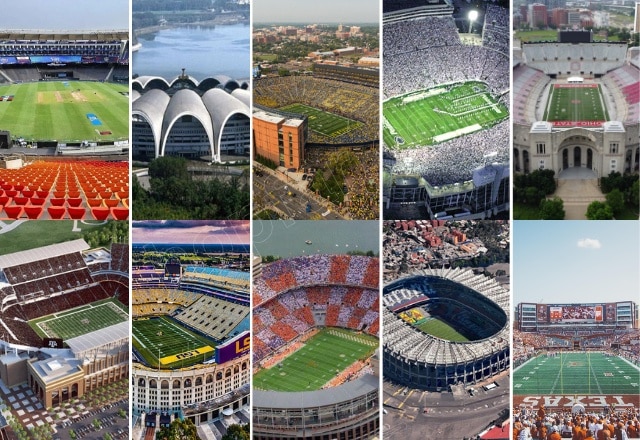
- Narendra Modi Stadium, Ahmedabad, India (Capacity: 132,000): Introduced in 2020, this stadium bears the status of the world’s largest. Among its unique features is the modern roof looked like a lotus petals that combines luxurious facilities such as private boxes and club lounges. The stadium complex also provides an Olympic pool, an indoor cricket academy, and a museum on the history of cricket in India.
- Rungrado 1st of May Stadium, Pyongyang, North Korea (Capacity: 114,000): which opened in 1989 is infamous for its enormous size and links to North Korean mass games, well-rehearsed and spectacular public events that can bring thousands of people together. The details of how the stadium will be used after these events are not entirely clear. However, beyond its enormous size, the Rungrado 1st of May Stadium is distinguished by its architectural features, such as 16 white marble-clad arches and a main roof supported by huge concrete pillars.
- Michigan Stadium, Ann Arbor, Michigan, USA (Capacity: 107,601): The campus of Michigan called “The Big House” with the highest attendance record in college football. Constructed through many phases since 1927, this stadium is a perfect reflection of the continuous growth of the monstrous proportions of the US sports venues. The stadium’s horseshoe design provides an optimal view for the fans; also, its enormous size contributes to the electrifying football game atmosphere.
- Beaver Stadium, State College, Pennsylvania, USA (Capacity: 106,572): Being the home ground to Penn State Nittany Lions football team, many reconstructions have been done since the beginning in 1909. Its intimidating atmosphere is lore among college football fans. Reflecting the historical importance of the area’s former beaver hunting grounds, the stadium is locally known as “Beaver Stadium.” It has limestone exterior and upper deck features latticework trimmings.
- Ohio Stadium, Columbus, Ohio, USA (Capacity: 102,780): Nicknamed “The Horseshoe” for its distinct horseshoe shape, Ohio Stadium functions as the center of the football universe of Ohio State Buckeyes fans. It was established back in 1922, and a number of important games were played there. Nowadays, it is one of the major stadiums for the college football games. The horseshoe nature of the stadium allows spectators from most angles to be close to the field, and the open-air concourses add a festive mood during the games.
- Kyle Field, College Station, Texas, USA (Capacity: 102,733): The place where Texas A&M Aggies play football, Kyle Field, is typical of the magnanimity of college football stadiums in this country. Its famous Twelfth Man tradition – the name for a place where a designated group of students remains standing throughout the game to produce a constant din of support – gives the stadium the best energy. Kyle Field had a major expansion in 2015, including premium seating and a successful south end zone video board.
- Tiger Stadium, Baton Rouge, Louisiana, USA (Capacity: 102,321): This Legion Field boasts of its deafening crowd noise and is a fortress for LSU Tigers football team. Opened in 1924, it has undergone upgrades from time to time to maintain its status as one of the best college football venues. The stadium of LSU Tigers football team is commonly referred to as “Death Valley” for being a hostile place for opposing teams and the lower deck literally surrounds the field creating a very loud and menacing environment on game days.
- Neyland Stadium, Knoxville, Tennessee, USA (Capacity: 101,915): Famously called “The Neyland Zoo” among the passionate fans, Neyland Stadium is a historic arena of University of Tennessee football. Completed in 1921, it has been repeatedly enlarged to accommodate a larger number of visitors. The stadium’s orange hue, reflecting the university colors, is quite a sight to behold, especially on night games when the entire arena lights up in orange.
- Darrell K Royal-Texas Memorial Stadium, Austin, Texas, USA (Capacity: 100,119): Being the home to the University of Texas Longhorns football team, this stadium is a very prominent structure on the Texas campus. It was opened in 1924, and the expansion and modernization of the stadium have kept it a central hub of college football games. The stadium’s design is Spanish Revival-style architecture, thus showing the local fashion. In 2009, the giant video board was installed on the south end zone, which consequently made the fans have an even better experience.
- Estadio Azteca, Mexico City, Mexico (Capacity: 87,523): Estadio Azteca, which is the largest stadium in Latin America. The stadium was opened in 1966; it was the venue for the FIFA World Cup finals of 1970 and 1986, making it the first to host two World Cup games. The Azteca as well is famous for its high altitude, and this is quite a challenge for most visitors. Its Aztec architecture brings a unique tone to the arena, and the raucous Mexican fans make the whole place ecstatic during games.
With the information above, we have come to the end of our tour of the 10 largest stadiums in the world. Such gigantic arenas represent our attachment to sports, spectacle, and the feeling of togetherness when we are supporting our favorite teams. With the advancement of stadium design and technology, it will be interesting to see how these giants will change and which new monsters will take over in the future.
by pankaj | Apr 4, 2024 | Blog, international, Latest Post
Mankind’s love for ascending in height stems from the distant past. From the rich spires of old-world cathedrals to the supermodern architectural structures of today, skyscrapers symbolize aspirations, innovation, and progress. We are going to climb up the elevator shaft and discover the top 11 tallest buildings in the world with interesting construction backgrounds.
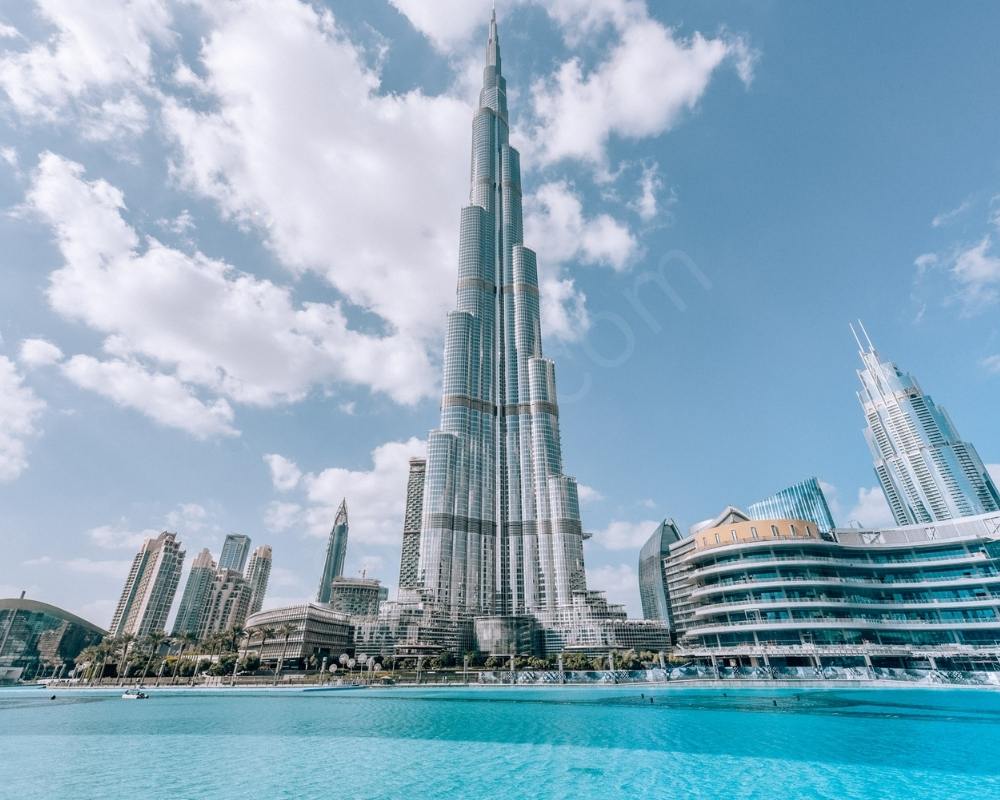
- Burj Khalifa, Dubai (828 meters)

The absolute boss of the buildings is the Burj Khalifa, revealed in 2010. This architectural wonder in Dubai boasts an amazing 163 floors and holds various records, including the tallest building, single floor structure, and highest outdoor observation deck. The construction started in 2004, and the concrete core was raised at the average rate of one floor per three days. The project employed more than 33,000 workers and used enough concrete to build 20 Empire State Buildings!
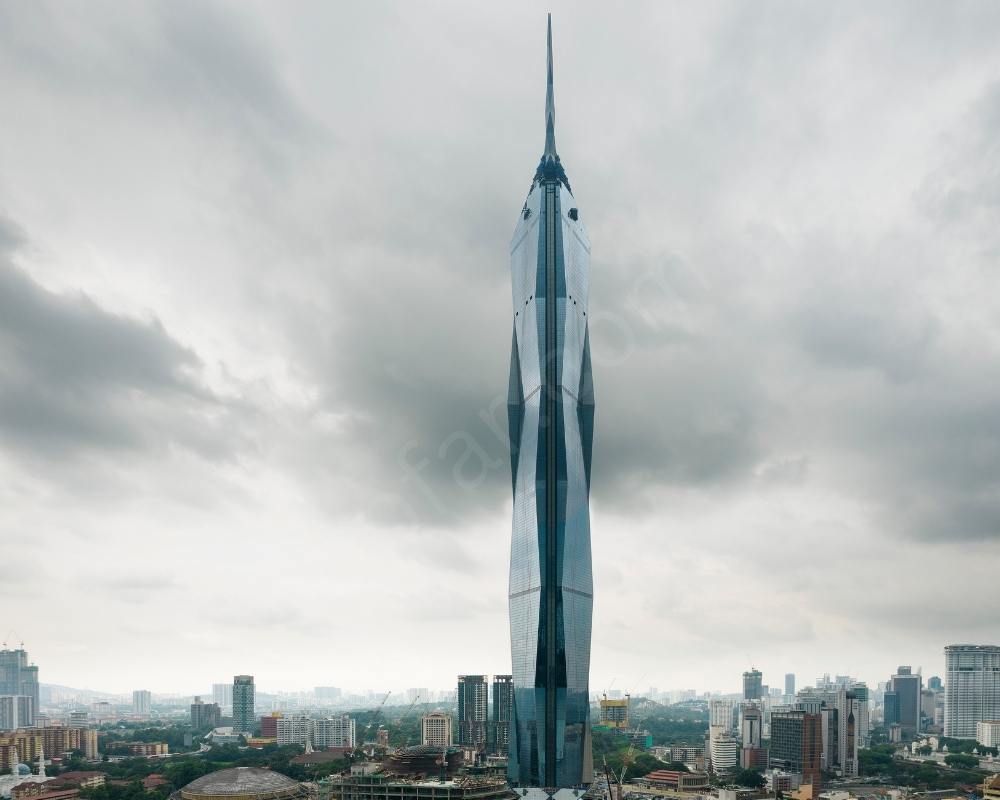
- Merdeka 118, Kuala Lumpur (678.9 meters)

The newly finished Merdeka 118 in Kuala Lumpur (2022) is now the world’s second tallest building. The construction commenced in 2014 with the incorporation of such sustainable features as rainwater harvesting and double-skin facade in order to decrease energy consumption. The design, which imitates Islamic motifs including geometric patterns, is a tribute to the country’s roots.
- Shanghai Tower, Shanghai (632 meters)

This twisted skyscraper (completed in 2015) in the Shanghai skyline is a perfect masterpiece of modern engineering. The clever, slanting construction means less wind resistance and more sights. Construction used new techniques of building a prefabricated wall of steel and concrete for faster erecting.
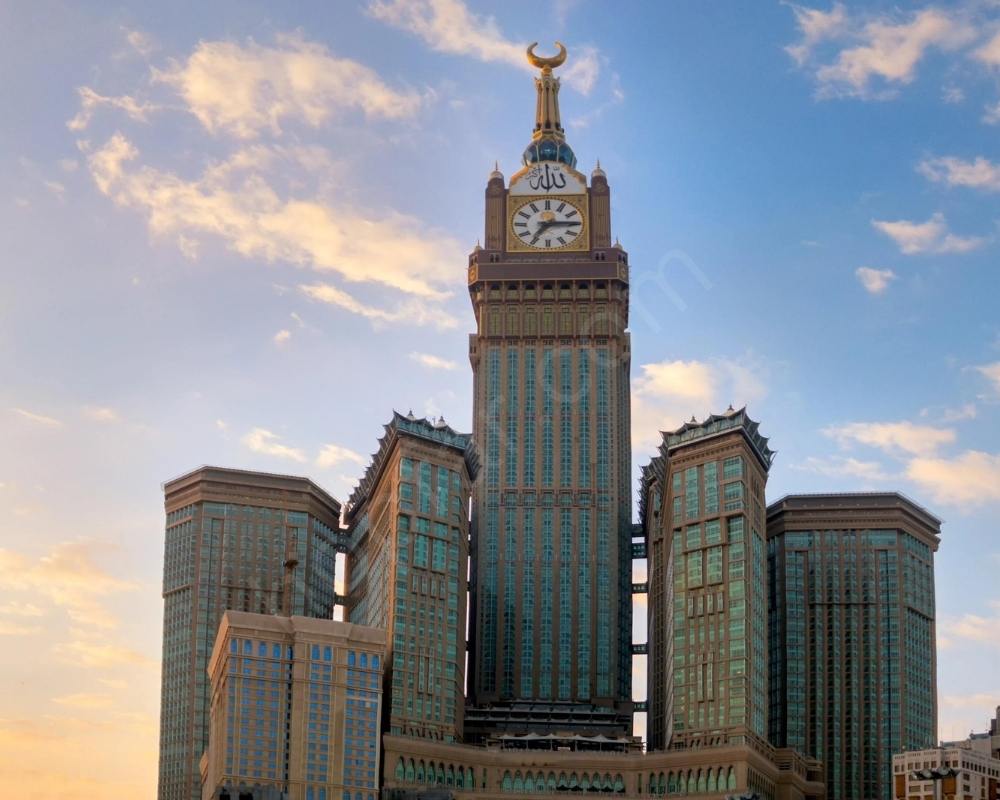
- Abraj Al-Bait Clock Tower, Mecca (601 meters)

Standing next to the sacred place of Islam’s Kaaba, the Abraj Al-Bait Clock Tower (completed in 2012) is simply a glorious mix of religious meaning into modern architecture. The complex involves the world’s biggest clock face and a five-star hotel. According to the construction regulations, the holy site and its surroundings were respectfully built with many details and thoroughgoing commitment.
- Ping An Finance Centre, Shenzhen (599.1 meters)

The Ping An Finance Centre in Shenzhen was completed in 2017 and it is a good example of this country’s booming architectural industry. The facade displays a sophisticated grid of diagonal trusses, making the design both visually stunning and functionally strong. Construction involved the use of high-strength concrete and modular steel components that helped it to attain its immense height.
- Lotte World Tower, Seoul (555.7 meters)

The Lotte World Tower, which is South Korea’s tallest building (completed in 2017), is a multifunctional complex that comprises offices, hotels, condominiums, and an aquarium. The design puts safety first, using a tuned mass damper to get rid of the wind energy and stop the excessive swaying. The construction process entailed careful planning to ensure the tower would not lean due to a soft soil foundation.
- One World Trade Center, New York City (541.3 meters)

Standing bravely on the site of the former World Trade Center towers that were destroyed in 2001, One World Trade Center (completed in 2014) is a symbol of resilience and hope. The design not only repeats the elements of the old towers but also looks into the future. The construction team had to develop numerous engineering solutions in order to refurbish on a fragile ground which was also significant historically.
- Guangzhou CTF Finance Centre, Guangzhou (530 meters)

The Guangzhou CTF Finance Centre, one of the masterpieces of Chinese architecture, was completed in 2010. This three-lobed building was inspired by the nearby Pearl River Delta. The construction process evolved by using the latest type of building information modeling (BIM) software to guarantee the seamless cooperation among different construction groups.
- Tianjin CTF Finance Centre, Tianjin (530 meters)

The Tianjin CTF Finance Centre like Guangzhou CTF Finance Centre has a three-lobed design but a different crown is the only difference between these two (completed in 2019). Building the second station provided an opportunity to apply the knowledge gained from the first, which led to a quicker completion.
- China Zun, Beijing (528 meters)

This building, which has been nicknamed “The China Zun” for its similarity to a Chinese imperial crown ornament, blends traditional Chinese features with the latest in skyscraper design (completed in 2018). The construction process entailed a complex steel diagrid structure that served as both a design element and as a structural support.
- Taipei 101, Taipei (509.2 meters)

Taipei 101, the world’s tallest building at the time of its completion in 2004, stands for Taiwan’s leading position in technology and cultural sophistication. The design uses the shape of the traditional pagoda as a symbol of respect for the country’s history. The construction used a tuned mass damper, a giant pendulum that helps the tower to sway gently in strong winds, an important factor in Taiwan where typhoons frequently occur.
These super high buildings are not just engineering marvels; they are monuments to human achievement, creativity, and our urge to explore the limits of what can be done. As technology and design keep improving, the future of skyscrapers will be awe-inspiring with unimaginably tall buildings that reach even higher into the sky.
by pankaj | Mar 30, 2024 | Blog, international, Latest Post
Dams, mighty evidences of human creativity, have formed landscapes and tamed water flow for thousands of years. From producing electricity to providing water for irrigation, these giants play different roles. Today, we move to the top of the superlative world, studying the top 10 dams on our planet, which is the result of human knowledge and ambition.
- Jinping-I Dam (China)

On the top is the Jinping-I Dam in China with an overwhelming height of 305 m (1,001 ft). This amazing architectural structure depends on a strong arch design to prevent the flooding of the Yalong River. The dam’s horseshoe-shaped arch arches above the valley below, creating a beautiful silhouette. Its 13.5 kilometers (8.4 miles) long ridge is broad enough to take a multi-lane highway. The Jinping-I Dam not only impressed us with its height but demonstrates China’s devotion to innovation and the development of infrastructure.
- Nurek Dam (Tajikistan)

The Nurek Dam, located in Tajikistan, comes in second at 300 meters (984 ft). This giant is known as an embankment dam, which is a symbol of the vast scale of earthworks that are typical of modern engineering. The construction of the dam required moving a whopping 56 million cubic meters of rock and soil where an army of workers unceasingly toiled and bore the fruits. The Nurek Dam is not only an architectural miracle but also represents the will of the Tajik people to utilize their natural resources for economic development.
- Grande Dixence Dam (Switzerland)

The crown for the highest gravity dam is taken by the Grande Dixence Dam in Switzerland. Standing an impressive 285 meters (935 ft) tall, this concrete colossus casts up the power of Dixence River. The construction of the dam requires special funicular railways designed for the transportation of materials to the site, remote and chaotic, that cannot be reached by usual means of transportation. The Grande Dixence Dam is not only a source of clean energy but also confirms Switzerland’s reputation as a leader in engineering and environmental conscience.
- Rogun Dam (Tajikistan)

One more Tajikistani treasure adorns the list – the Rogun Dam. Even though it’s still under construction, it’s expected to reach a height of 335 meters (1,100 ft), following up on its mission of being a competitor for the top spot. The dam will be the world’s highest upon completion of its building, and its construction is thrashing the limits of engineering. The Rogun Dam represents Tajikistan’s desire for being a regional leader in energy production and confronting the hurdles of funding and technical know-how.
- Guyuan Dam (China)

Another China’s appearance matches the Guyan Dam with a height of 272 meters (892 ft). This arch dam of modern Chinese engineering is a marvel of the modern era. The dam’s operation took advantage of modern technologies such as 3D computer modeling that guaranteed its structural stability and safety in the earthquake zone of the area. The construction of the Guyuan Dam shows both China’s advantages in dam construction and the sustainable development in the face of challenges of geological conditions.
- Vajont Dam (Italy)

The Vajont Dam in Italy, at 262 m high (860 feet), is a poignant lesson on the natural power. A tragic landslide in 1963 left the dam underwater, thus emphasizing on the careful environmental factors during construction of the dam. The Vajont Dam was a lesson and basically an awakening to the need of complete geological studies and risk assessment before embarking on such big massive projects. The tragedy of the Vajont Dam is a symbol of Italy’s engineering ingenuity and the wisdom of the mistakes of the past.
- Xiaowan Dam (China)

China occupies another place with the Xiaowan Dam at a height of 292 meters (958 ft). This double-curvature arch dam is not only challenging to construct but also a wonder of aesthetic complexity. The dam’s distinctive curved shape gives it the ability to endure high water pressure thus becoming ideal for the stretch and steepness of the river valley it impounds. The Xiaowan Dam illustrates China’s professionalism in the field of building strong structures that are capable of withstanding the natural forces but still meeting the growing water and energy needs respectively.
- Nourek Dam (Iran)

The largest dam in the Middle East, the Nourek Dam in Iran, extends to a height of 255 meters (837 ft). This dam with two arches is a highly valuable resource for the area providing both water and hydroelectric power. The dam does not only generate electricity but also stabilize the flow of the Hari River which reduces the risk of flooding and maintains a steady flow of water for irrigation. The Nourek Dam reflects Iran’s commitment to increasing infrastructure to close the infrastructural gap, along with their efforts to face water management issues in a semi-arid region.
- Longtan Dam (China)

China also takes the ninth position with Longtan Dam’s height of 277m (909 ft). This is another example of Chinese leadership in dam building. The Longtan Dam is integral for both flood prevention and electric power production in the economy-booming eastern provinces of China. With the progression of urbanization and industrialization, the Longtan Dam suggests China’s dedication to sustainable development and the protection of environmental conditions via wise water resource utilization.
- Sardoba Dam (Tajikistan)

This rounds up the list with the trinity of Tajikistani dams including the Sardoba Dam, which is 265 meters (870 ft) high. This dam serves as a pivotal part in the management of water as well as hydropower production. The dam collapse of 2010 resulted in widespread damage, which brings to attention the need for appropriate maintenance and security procedures. The Sardoba Dam is not only a testimony of threats associated with large-scale infrastructure projects but also emphasis on maintaining the high safety standards and on-going monitoring to prevent huge failures.
These giants of civil engineering, with their gleaming charisma, speak of the spirit of human determination and ingenuity. They play very important roles as the major sources of water, irrigation, and electricity, thus transforming landscapes and the lives of numerous people on earth. While this can be true, we need to bear in mind that building a dam can also cause environmental and social problems. From disturbing the ecosystem to migrating the communities, these consequences must be sensitively reconsidered and mitigated. While we endeavor to take advantage of the potential of water we have to do it in a balanced and sustainable way, a situation which guarantees the future of both environment and humanity.
by pankaj | Feb 29, 2024 | Blog, City/State Tour, international, International Destinations, Latest Post, Tips
The world is full of different cultures and stunning landscapes which always attract tourists with their allure but mostly the challenge is to move through crowds. If you crave authentic experiences and serene exploration, consider venturing beyond the well-trodden path and discovering the charm of these 10 less-crowded cities.
- Valletta, Malta

Get yourself immersed in the fantastic history about the Knights of St. John in this fortified city. Get yourself lost in the winding streets decorated with baroque architecture, and absorb the sun’s warmth as you walk along the harbor walls. Alongside historical sights, Valletta also offers a diverse cultural scene that features modern art galleries, open-air performances, and vibrant festivals, which take place throughout the year.
- Luang Prabang, Laos

This UNESCO World Heritage Site is a window to the tranquil world of Buddhist monks. Take part in the dawn procession of saffron-robed monks as they go about collecting alms and see how numerous the temples are in every corner of the city. In the name of adventure, kayak down the Mekong river, trek through the surrounding mountains or visit the stunning Kuang Si Falls, the pièce de résistance in a cascading marvel surrounded by abundant jungle.
- Asunción, Paraguay

Get acquainted with the rich culture and colonial heritage of Paraguay in Asuncion, its capital. Stroll through the Palacio de López, attend the vibrant Mercado Central, and witness the fiery dynamism of a local football (soccer) game. Asunción has an interesting variety of green areas as well, including the Botanical Gardens and the Independence Park, which are great options for a break from the city hustle and a chance to relax by having a lunch picnic.
- Ljubljana, Slovenia

The Julian Alps housing the exciting mix of nature and city life definitely belong to Ljubljana. Walk along the Ljubljanica Riverbank, immerse yourself in the Vibrant Central Market, and go on a day tour to the 14th-century Predjama Castle which is literally a cave castle. If you need some thrill, go for a hike or bike through the park of Tivol, or try a boat cruise on Lake Bled, a beautiful glacial lake surrounded by mountains and a famous church on an island.
- Marrakesh, Morocco

Take a dip into the colorful Medina: a buzzing, multi-level maze filled with spices, clothes, and crafted jewelry and more. Don’t lose an opportunity to become a partaker of the tranquility of a conventional hammam (bathhouse). Leave the noisy Medina to discover the Stunning-Bahia Palace, a Moroccan architectural masterpiece or even take a break with the majestic and colorful Majorelle Garden which was designed by the French painter Jacques Majorelle.
- Kuala Lumpur, Malaysia

The glamorous city of Kuala Lumpur has both skyscraping buildings such as the Petronas Twin Towers and older sites of history, such as the Sultan Abdul Samad Building. Find the exciting street food, and experience the rich cultural mosaic of Southeast Asian metropolis. Opt-out of the city center and journey to explore the Batu Caves, a complex Hindu cave temple, on your way to the top by climbing 272 stairs decorated with colors, or visit the Perdana Botanical Gardens, a peaceful sanctuary showcasing a plethora of plants.
- Tallinn, Estonia

Step into the past in the fairy-tale medieval Old Town of Tallinn which is a UNESCO Bronze Age Site. Wander the stone-paved streets offered with multicolored structures, go to the stately Toompea Castle, and have a relaxed walk in the tranquil Kadriorg Park. If you want something extraordinary, check out the Lennusadam Maritime Museum, which is held in an old seaplane hangar. Go and spend a day on the island of Naissaar too, a car-free paradise with some of the finest beaches and historical landmarks.
- Winnipeg, Canada

Sample the warm Midwestern hospitality in Winnipeg called the “Gateway to the West.” Walk through the historical Forks National Historic Site, a meeting place for Indigenous peoples in the past, with many museums, shops and restaurants now. Take a walk on the Assiniboine River, and enjoy the diversity of the arts and culture in the city, by visiting numerous museums, theaters, and the ballet.
- Lecce, Italy

Find a difference in southern Italy by going to Lecce, also known as the “South Florence”. Enjoy the detailed Baroque architecture, especially the Lecce Cathedral, stroll along the picturesque squares like Piazza Sant’Oronzo and taste the regional cuisine, such as fresh seafood and orecchiette pasta. Beyond city, you can also get to Salento Peninsula, a well-known place with beautiful beaches, typical villages, and colorful festivals.
- Ushuaia, Argentina

Referred to as “The End of the World”, Ushuaia provides a special access to the spectacular nature of Tierra del Fuego National Park. Trek through rocky mountains, cruise the Beagle Channel, and enjoy a variety of fauna such as penguins and sea lions. For an adventure that will surpass your wildest imagination, walk to Antarctica, the coldest, windiest, and driest continent and behold its incredible glaciers and special wildlife.
Let this list be a launchpad for your global venture. The sheer number of undiscovered nuggets is amazing, with each one presenting an opportunity to get out of the usual tourist path, bond with the local people and create memories that will last forever. Well, take your bags, throw caution in the wind, and go on a trip to see the beauty of these underrated places.