If you’re trying to figure out how to build credit, take a breath; you’re definitely not the only one asking this question. It’s probably one of the most common financial questions people run into in the US, especially when they’re just getting started. Having little or no credit history can make the whole thing feel confusing, but honestly, building credit really comes down to a handful of simple habits you can repeat over and over: pay your bills on time, keep your balances low, and use credit the smart way. Services likeKovo | Build Credit can also be worth researching as you sort through your options and figure out where to actually begin.
What Does It Mean to Build Credit?
Before diving into how to build credit, it helps to understand what credit even is in the first place. Your credit history is basically just a record of how you’ve handled borrowed money over time — nothing more mysterious than that. Credit bureaus collect this info and compile it into your credit reports, and then scoring models use that data to calculate your credit score. Your payment history and credit utilization both play a pretty big role in how that number turns out. Credit-building tools, likeKovo’s credit builder, are designed to help you slowly build up this profile over time.
How to Build Credit From Scratch
If you’re wondering build credit from scratch, there are a few tried-and-true paths worth looking into.
Get a Secured Credit Card A secured card is genuinely one of the easiest ways to build credit. It usually asks for a refundable deposit, which often becomes your credit limit. Use it for small purchases you know you can pay off in full, and always pay on time; that one habit alone makes a huge difference.
Become an Authorized User Another route is becoming an authorized user on someone else’s credit card. If their issuer reports this activity to the credit bureaus, it can help you establish credit history a lot faster. Just double-check their reporting policy first, since not every issuer actually reports authorized-user activity.
Use a Credit Builder A credit builder is another solid option when you’re figuring out how to build credit and don’t have much of a file yet. Before you sign up for anything, look closely at the fees, the requirements, and how the activity actually gets reported.Kovo’s credit builder is worth comparing against other options as you figure out what fits your budget and goals.
How to Build Credit With No Credit History
Starting with no credit can honestly feel like the hardest part of learning how to build credit, mostly because a lot of the usual options just aren’t open to you yet. But here’s the good news: you don’t need to do everything at once. A secured card, an authorized-user account, or a credit-building product can each work perfectly well as a starting point on their own.
Kovo is one option a lot of people with no credit end up researching as they weigh what makes sense for them. Just keep in mind there’s no real shortcut here; building a credit profile takes steady effort over time.
What Services Does Kovo Offer?
Kovo Credit Builder Kovo offers a credit-building service built for people who want to establish or grow their credit profile from the ground up. Like with any financial product, it’s worth taking a look at the current fees, eligibility requirements, terms, and reporting practices before you commit to anything.
Credit-Building Support Kovo’s services really work best when you pair them with good financial habits — paying on time, keeping your balances low, that kind of thing. No credit-building service can promise you a specific credit score, but sticking with consistent habits can genuinely help you improve credit over time.
Who May Consider Kovo? Kovo might be worth a look if you’re new to credit, have a pretty thin credit history, or you’re simply exploring how to build credit with the right tools and a bit of support behind you.
How Long Does It Take to Build Credit?
Honestly? There’s no set timeline for how to build credit. It’s different for everyone — your credit might come together faster or slower than the next person’s, and that’s completely normal. What actually matters is sticking with it: pay your bills on time, keep your balances manageable, and give it some time to show up on your credit reports. It’s not instant, but it does add up.
Simple Tips to Improve Your Credit
Once you know how to build credit, it’s just about keeping these habits going:
Pay your bills on time
Keep your balances low
Don’t apply for credit you don’t need
Check your credit reports now and then
Only borrow what you can pay back
Stick with it
Small habits like these work better than any shortcut.
Final Thoughts
Learning how to build credit doesn’t have to be complicated. Start small, pay on time, and check your reports once in a while. If you’re starting with no credit, don’t feel like you need to do it all at once; just pick one thing and stick with it.Kovo is worth checking out too.
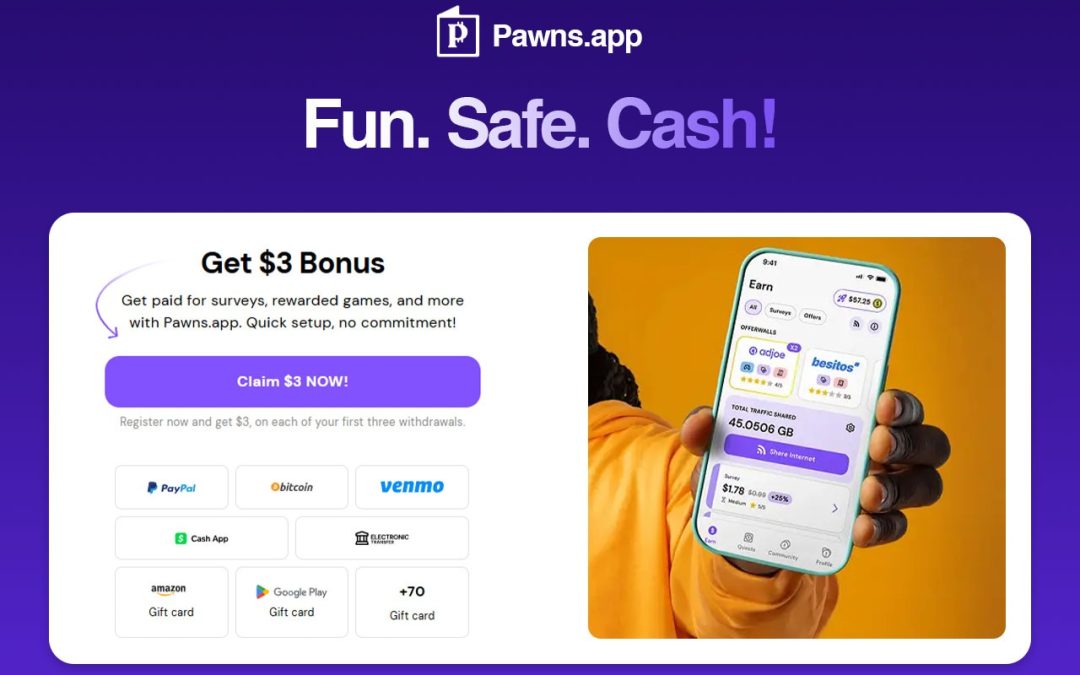
Your phone isn’t just for texting, scrolling, and killing time anymore. If you’ve got a few spare minutes here and there, it can actually help you earn money online too. Between surveys, quick research tasks, and other bits and pieces, there’s no shortage of ways to build a little online side income, and you don’t need a laptop or any kind of complicated setup to get going.
A good place to start isPawns, which lays out a few of these options in one spot. The real trick is sticking to legit platforms, understanding how they actually pay you, and not expecting to get rich off them.
What Are Money-Making Apps?
Money-making apps are basically mobile platforms that pay you for doing certain things: surveys, research tasks, testing out apps, small microtasks, cashback deals, that sort of thing. What makes money-making apps appealing for a lot of people is that you can dip in and out whenever you’ve got a spare moment. No fixed hours, no schedule; you decide when to do a bit and how much time you’re willing to put in.
That said, not every app is worth your time, and the payout terms can vary a lot. Before jumping in, it’s worth doing a bit of homework; that’s really the whole point of learning to earn money online safely instead of just downloading the first app you find.
Ways to Earn Extra Money Online
Surveys and Research Activities
Plenty of platforms pay you just for sharing your opinion or taking part in research, think product feedback, shopping habits, general preferences, that kind of thing. What you actually earn depends a lot on the survey and the platform running it.
Share Unused Internet Bandwidth
Some apps let you share your unused internet bandwidth, where that’s allowed, in exchange for a bit of payment. If you’ve got a solid, reliable connection, this is worth looking into if you’re curious about passive income apps; Pawns is one place that offers this kind of setup.
Just double-check the platform’s terms and your provider’s policy first, so you know exactly how the bandwidth sharing actually works before you sign up.
Microtasks and Online Activities
Simple tasks- think small data entry jobs, app testing, or quick one-off assignments- are another option. These let you make money from your phone without needing anything fancy in the way of equipment.
How much you earn really depends on the platform, so stick with ones that are upfront about the tasks, what’s required, and how you actually get paid. Platforms like Pawns tend to spell all of this out clearly before you start.
Cashback and Reward Programs
Cashback and reward programs won’t make you rich, but they can save you a bit or hand back a small return on purchases you were already going to make. It’s a nice way to earn extra money here and there without any real extra effort.
How to Choose a Reliable Earning App
Check the payment setup first. Look at how it pays out and what the minimum withdrawal actually is, so there’s no nasty surprise down the line.
Read the privacy policy. Take a minute to see what data the app collects and what it’s doing with it.
Understand the earning requirements. Some money-making apps won’t let you withdraw until you hit a certain balance, while others have their own eligibility rules.
Look into the reviews and reputation. A trustworthy service, likePawns, should be upfront about how it works and how payments are handled; a bit of digging here makes your attempt to earn money online a lot smoother.
Tips for Making the Most of Side-Income Apps
Keep your expectations realistic. These apps aren’t a shortcut to serious money; think of them as a way to top up what you’re already earning.
Try a few legitimate options at once to make money from your phone, as long as you’re reading the terms and keeping your personal info locked down.
Weigh time against reward. Some tasks just aren’t worth the hassle once you factor in how long they take.
Track what you earn and how long it takes. Over time, that’ll show you which passive income apps and tasks are genuinely worth your while; stick with it, stay picky, and your phone can turn into a decent little source of online side income.
FAQs
How can I earn extra money online from my phone? You can earn through surveys, microtasks, cashback programs, app testing, and bandwidth-sharing platforms.
Are money-making apps legitimate? Some are legitimate, but always check reviews, payment terms, privacy policies, and withdrawal requirements before signing up.
Can I make money from my phone without investment? Yes, many apps offer surveys, microtasks, and rewards without requiring an upfront payment.
How much can I earn from money-making apps? Earnings vary by platform, task availability, location, and the amount of time you spend.
What should I check before using an earning app? Check its reputation, privacy policy, payment methods, minimum withdrawal limit, and earning requirements.
Final words
There’s a real range of ways to earn money online with just your phone: surveys, microtasks, bandwidth sharing, cashback- you name it. The smart move is sticking with reputable platforms likePawns, keeping your data protected, and staying realistic about what these apps can actually do for you. Done right, these little side hustles can help you earn extra money in your spare time and add a bit extra to your regular income, no complicated setup required.
Where your team works matters more than most business owners realize. Get it right, and people actually get things done, visitors walk away with a good impression, and the day-to-day just runs more easily. Get it wrong, and you feel it every week. Fewer companies these days are signing themselves into a long lease and hoping for the best — more are picking setups that can bend as they grow. At the end of the day, it’s about matching the space to your team, your budget, and where you’re actually trying to go.
What Is Flexible Office Space?
Flexible office space is pretty much what it says on the tin — a real, professional place to work, minus the long-term lease hanging over your head. Depending on the provider, you can choose the size, how long you’re locked in for, and which extras are actually worth paying for.Explore Regus office space options.
The big win over a traditional lease is how easy it is to scale up or down when your team changes or the way people work shifts. There’s also a lot less setup hassle — you’re not building a workplace from nothing. For a company that’s growing, that’s often one less thing to worry about.
Types of Office Space to Consider
Private Offices
Need quiet? Handling client calls or sensitive work? A private office is worth a look. You get your own space, no shared walls with strangers, which counts for a lot when the conversations you’re having need to stay behind closed doors.Explore private office solutions.
Coworking Spaces
Coworking flips that around — you’re sharing a roof with people from other businesses entirely. It suits freelancers, small startups, remote workers, anyone who doesn’t mind a bit of background buzz and likes running into new faces during the day.Discover flexible workspace solutions.ns
Serviced Offices and Meeting Rooms
A serviced office is more or less move-in ready, support included — good if you’d rather not set everything up yourself. And if all you need is somewhere for an interview, a pitch, or a client meeting, just booking a meeting room does the job without signing up for a whole office.
Then there’s the virtual office option — a proper business address and a handful of services, no actual desk involved. That works well if your team is mostly remote, but you still want to look like you’ve got a real base.
How to Choose the Right Office Space
Here are some things you can keep in mind while choosing the right office space
Think about your team’s size and how they actually like to work.
Pick something that fits now, with room to grow into later.
Check the location — getting there, parking, what’s around it.
Make sure it’s easy for clients and your own people to reach.
Tally the real cost: utilities, furniture, internet, upkeep, the lot.
Go flexible on the contract if your needs might change.
Write down what you actually need day to day — solid wifi, meeting rooms, desks that don’t wreck your back.
Pick a space that makes work easier, not harder.
Benefits of Flexible Office Space
Here are some benefits of flexible office space :
Skip the high upfront costs by moving into something ready-made.
Cut down on maintenance and admin busywork.
Give employees, clients, and visitors a space that looks the part.
Help people actually focus and get on with things.
Scale up or down as the business changes.
Avoid getting stuck in a lease that’s stopped making sense.
Cross paths with people from other industries.
Stumble onto opportunities you weren’t looking for.
Build genuine relationships just from sharing a space.
Looking for something that can grow with you?Regus office space solutions cover a range of team sizes, working styles, and business needs.
FAQs
What is flexible office space? Flexible office space offers ready-to-use workspaces with flexible terms, sizes, and services.
How do I choose the right office space? Consider your team size, budget, location, workspace needs, and future growth plans.
What types of office spaces are available? Common options include private offices, coworking spaces, serviced offices, meeting rooms, and virtual offices.
What are the benefits of flexible office space? It reduces setup costs, simplifies maintenance, and lets businesses scale their workspace as needed.
What should I check before renting an office? Check the total cost, location, internet, facilities, contract terms, accessibility, and available workspace amenities.
Final Thoughts
Choosing an office isn’t really about finding four walls and a desk. It’s about a space that backs your people, feels like your business, and can flex as things change. Weigh up the type of space, where it is, what it costs, how flexible it is, and what’s actually included, and you’ll land on something that lets your team do good work and grow at a pace that makes sense.
If you’re a designer, your design portfolio is basically your handshake, it’s often the very first thing a client or hiring manager sees before they ever talk to you. You could be incredibly talented, but if your portfolio for designers doesn’t show that clearly, opportunities can quietly slip right past you.
In a field as visual and competitive as design, having a strong design portfolio genuinely isn’t optional anymore; it’s what actually gets you noticed. Platforms likeDribbble have become one of the go-to places for designers to build exactly that kind of visibility.
What Makes a Great Design Portfolio?
A great design portfolio usually comes down to a few things working together, not just one flashy project.
Strong visual presentation: how your work is laid out matters almost as much as the work itself. Clean, intentional presentation just makes everything feel more professional.
Consistent style: your portfolio should feel like it belongs to one person, even if the projects themselves vary quite a bit. That kind of consistency is part of what makes a graphic design portfolio feel polished instead of scattered.
Quality over quantity: a handful of strong, well-executed projects will always beat a long list of mediocre ones.
Clear descriptions: don’t make people guess what a project was even about. A short note on the goal, your role, and what came out of it goes a long way.
Choose the Right Portfolio Projects
Not everything you’ve ever made deserves a spot in your design portfolio, and that’s okay. Be picky.
Showcase your best work: lead with what you’re genuinely proud of, not just whatever’s most recent.
Include different skills: if you can do branding, UI, and illustration, let people see a bit of that range.
Focus on relevant projects: if you’re going after a specific type of role, prioritize the work that actually lines up with it. A well-curated portfolio for designers speaks directly to the kind of work they want to be hired for in the first place.
Being thoughtful here says a lot about your judgment as a designer, and honestly, that matters almost as much as the visuals do. Browsing through other designers’ work onDribbble can also help you get a feel for what strong project selection actually looks like.
How to Showcase Design Work Online
Once you’ve picked your projects, how you present them online makes a real difference.
Organize projects clearly: make it easy for someone to scroll through without getting lost or confused.
Use high-quality visuals: blurry or poorly cropped images can quietly undercut even great design work, so don’t skimp here.
Explain your creative process: walking people through how you got there, not just the final result, helps them actually understand how you think and work.
This is really the heart of learning how to showcase design work in a way that holds someone’s attention instead of losing them halfway through. Communities likeDribbble are built almost entirely around this idea; presentation is half the battle.
Tips for Getting Your Portfolio Noticed
Having a solid online design portfolio is one thing. Actually getting eyes on it is a whole different challenge.
Stay active in the design community: comment, engage, show up where other designers and clients are already hanging out.Dribbble is a natural place to start building that kind of presence.
Share new work regularly: a portfolio that hasn’t been touched in a year can quietly work against you, so keep it fresh.
Follow current design trends: you don’t need to chase every single one, but staying aware helps your work feel current instead of dated.
Build professional connections: a huge chunk of design work still comes through referrals and relationships, not cold applications.
An online design portfolio that you’re actually maintaining tends to get way more traction than one you built once and forgot about. Regularly posting on platforms likeDribbble is one of the simplest ways to stay visible without much extra effort.
FAQs
What should a design portfolio include?
A strong design portfolio should include your best projects, different design skills, clear project descriptions, high-quality visuals, and an explanation of your creative process.
2.How do I make my design portfolio stand out?
Make your design portfolio stand out by showing high-quality work, keeping the layout clean, highlighting relevant projects, and explaining the thinking behind each design.
How many projects should I include in my design portfolio?
Focus on quality rather than quantity and include a small selection of your strongest and most relevant design projects.
Where can I showcase my design portfolio online?
Designers can showcase their work on platforms such as Dribbble, personal websites, professional networks, and other online design communities.
How can I get my design portfolio noticed online?
Share your work regularly, engage with the design community, follow relevant trends, update your portfolio, and build professional connections.
Bottom line
Honestly, your design portfolio is never really “done”; it should keep changing as you grow and take on different kinds of work. Keep refining yourgraphic design portfolio, stay picky about what actually makes the cut, and don’t be afraid to swap things out as your style evolves. Here’s the thing, though: the designers who get noticed usually aren’t even the most talented ones in the room. They’re just the ones who keep putting in the effort to present their work well. So keep building, keep updating, and let your design portfolio speak for itself.
Finding dependable suppliers is important for boutiques, online stores, and growing fashion brands. A reliable supplier can help maintain product quality, control costs, and keep fresh styles in stock. As online wholesale shopping grows, U.S. businesses can discover products and suppliers without relying only on local trade shows.
What Are Wholesale Fashion Suppliers?
Wholesale fashion suppliers sell clothing and fashion products in larger quantities, usually at lower per-unit prices than retail. Retailers resell those products to customers at a higher price. Understanding this model helps business owners plan inventory, pricing, and profit margins.
Unlike retail shopping, wholesale purchasing often involves minimum order quantities, business pricing, and supplier terms. Suppliers should balance quality, selection, reliability, and cost.
How to Find Wholesale Clothing in the USA
When researching wholesale clothing USA options, consider these factors:
Product variety: Choose suppliers with styles that match your store, customer preferences, and seasonal demand. A broad catalog makes it easier to refresh your collection.
Supplier reputation: Read reviews, check business information, and look for clear communication and dependable fulfillment. Reputation can be as important as product range.
Pricing: Compare unit costs, shipping charges, discounts, and other fees. Low prices are useful only when the final product meets your quality standards.
Minimum order requirements: Understand minimum quantities before ordering and confirm they fit your budget and sales volume. Flexible requirements can help newer businesses. Retailers can alsoBuy Wholesale Free to explore wholesale purchasing opportunities.
Benefits of an Online Wholesale Fashion Marketplace
A wholesale fashion marketplace can make sourcing more efficient by bringing products and suppliers together. Instead of contacting many vendors separately, retailers can explore categories and compare options in one place.
Product discovery: Online catalogs make it easier to find new styles, categories, and brands.
Convenient ordering: Digital ordering saves time and simplifies purchasing.
Trend research: Browsing current collections can help retailers identify styles customers may want next.
Supplier comparison: Businesses can compare products, prices, and order terms before purchasing. Retailers interested in expanding their product selection canBuy Wholesale Free and explore available options.
Tips for Buying Wholesale Clothing
Understand your target customers before selecting products.
Choose clothing that matches their style preferences, budget, and everyday needs.
Compare fashion wholesale suppliers carefully before placing an order.
Review size charts and measurements to reduce returns caused by inconsistent sizing.
Evaluate product quality using descriptions, photos, samples, and available supplier information.
Check fabric, stitching, construction, finishing details, and packaging.
Calculate the full cost of each item, including wholesale pricing, shipping, taxes, marketplace fees, and potential returns.
Set retail prices that provide a healthy profit margin after all expenses.
Monitor which products sell quickly and which remain in inventory.
Use sales data to improve future purchasing decisions and reduce excess stock.
Businesses looking for convenient wholesale sourcing canBuy Wholesale Free and start exploring products.
FAQs
How do I choose wholesale fashion suppliers? Compare quality, pricing, minimum orders, reputation, shipping terms, and customer service before choosing a supplier.
Is wholesale clothing USA suitable for small businesses? Yes. Small retailers can begin with manageable quantities and expand as they understand customer demand.
What is a wholesale fashion marketplace? It is an online platform where retailers can discover fashion products and connect with multiple wholesale vendors.
How can I buy wholesale clothing profitably? Calculate total costs, research demand, check quality, and set retail prices that protect your desired margin.
Why should I compare fashion wholesale suppliers? Comparing suppliers helps identify better combinations of quality, pricing, selection, and ordering terms. New retailers canBuy Wholesale Free to begin exploring wholesale options.
Bottom line
Choosing reliable wholesale fashion suppliers can give fashion businesses a stronger foundation for growth. By comparing products, reputation, pricing, minimum orders, and quality, retailers can build an inventory strategy that matches their customers and budget. Online sourcing can make product discovery and evaluation more convenient. For retailers ready to explore wholesale fashion options,Buy Wholesale Free and discover products suited to your business.
AI development is moving quickly, and developers need reliable computing power to keep up. Whether you’re training a new model, building a generative AI application, or running inference at scale, choosing the right AI cloud platform can make a major difference. For teams that want to build, train, and deploy AI applications, Runpod provides flexible infrastructure designed around modern AI workloads.
If you’re planning to buy, sell, and compare cars online—wait, that’s a different journey. For AI developers, the real goal is finding computing resources that can grow alongside a project. An AI cloud platform makes that possible without requiring you to purchase and maintain expensive physical hardware.
What Is an AI Cloud Platform?
An AI cloud platform provides developers with access to computing resources for developing, training, and running AI applications. Instead of managing your own servers, you can access GPUs through the cloud when you need them.
This approach makes an AI cloud platform useful for startups, independent developers, and established teams. You can experiment with models, adjust computing capacity, and manage workloads without building an entire physical infrastructure. Explore Runpod’s AI Developer Cloud to see how flexible cloud computing can support different AI projects.
Why GPU Computing Matters
AI workloads often require significant processing power. A GPU cloud gives developers access to hardware designed to handle demanding machine learning workloads efficiently. Cloud GPUs are particularly useful for deep learning, generative AI, training, and inference.
With GPU cloud computing, developers can access computing resources without investing in expensive physical equipment. An AI cloud platform can therefore make advanced computing more accessible while allowing teams to scale when workloads increase.
Runpod provides an AI-focused environment where developers can accessGPU-powered infrastructure for different stages of development.
Choosing the Right AI Infrastructure
Every project has different requirements. Good AI infrastructure should provide suitable GPU options, flexible deployment, reliable networking, and the ability to scale.
A machine learning cloud environment should also fit naturally into your existing development workflow. Look for infrastructure that supports both AI model training and production workloads. Choosing an AI cloud platform with flexible options means you don’t have to redesign your setup every time your project grows.
Train and Deploy AI Models
Training can be one of the most resource-intensive parts of AI development. With suitable GPU infrastructure, developers can access the computing power required for AI model training without owning physical GPU servers. Once training is complete, AI model deployment becomes the next priority. Your infrastructure needs to support reliable applications and changing user demand.
An AI cloud platform can help connect development, training, and deployment within a more flexible environment.Discover Runpod’s AI infrastructure to explore cloud-based options for your AI workloads.
Use Serverless GPUs for AI Inference
Not every application needs dedicated computing resources running continuously. A serverless GPU approach can allow resources to scale according to demand. This is particularly useful for AI inference, where traffic can change throughout the day. Instead of manually managing capacity, developers can use infrastructure designed to respond to workload requirements.
For teams looking for an AI cloud platform, serverless options can provide another way to manage production workloads efficiently.Learn more about Runpod and its approach to AI-focused cloud computing.
Scale from Development to Production
AI projects rarely stay the same size. An experiment can become a production application, creating new requirements for computing power and scalability.
The right AI cloud platform allows developers to adapt as those requirements change. With GPU cloud computing, scalable GPU infrastructure, and flexible deployment options, teams can focus on building applications rather than maintaining physical servers.
Runpod is designed to support AI development across experimentation, training, inference, and deployment.Start exploring Runpod if you’re looking for flexible infrastructure for your next AI project.
FAQs
What is an AI cloud platform? An AI cloud platform provides scalable cloud computing and GPU resources for building, training, and deploying AI applications.
What is a GPU cloud? A GPU cloud provides on-demand GPU infrastructure for machine learning, deep learning, AI training, and inference.
Why use cloud GPUs for machine learning? Cloud GPUs provide powerful computing resources without the cost and maintenance of owning physical GPU hardware.
Can Runpod be used for AI model training? Yes, Runpod provides GPU-powered infrastructure designed to support AI model training, inference, and deployment.
What is a serverless GPU? A serverless GPU provides scalable computing resources that can adjust to AI workload and inference demands.
Start Building with Runpod
Choosing an AI cloud platform is ultimately about finding infrastructure that matches your workload today while giving you room to grow tomorrow. From AI model training and AI model deployment to serverless GPU workloads and AI inference, flexible cloud computing can simplify the development process. If you’re ready to build, train, and scale AI applications, visit RunPod and explore an AI Developer Cloud built for modern developers.