by pankaj | Nov 28, 2022 | Honeymoon planning, international, national, Romantic, Travel Tips
Every couple anticipates their honeymoon as the antidote to the post-wedding blues. Although there are plenty of things to do on a honeymoon schedule, the beauty of creating a unique honeymoon resides in its utmost simplicity.
One thing that frequently confounds newlyweds is what to do on their honeymoon. We have identified the top five romantic activities to do on a honeymoon. Look over this list and decide which of the top honeymoon activities you and your partner should partake in.
5 Romantic Things To Do On Honeymoon
The list below may prove useful if you need help organizing your honeymoon. Look over the list of things to do on your honeymoon to make planning your schedule easier.
- Start With A Romantic Sunrise
As old as it may sound, sharing a sunrise with your spouse is a great way to make your honeymoon memorable. You’ll be able to start your voyage off on a positive note if you can sense the romance in the air and let the sun’s first rays brighten your smile.
Places To Visit: Cape Mulinu’u in Samoa, Pacaya volcano in Guatemala, Zimbabwe, Cambodia, and Skaros in Santorini
- Hit The Road
A romantic road trip allows you to live life as it unfolds and appreciate the beauty of the unforeseen while on your honeymoon. So get into your car, pack everything you’ll need for your honeymoon, and let love lead the way.
Places To Visit: Explore India on the Manali to Leh road trip, drive along Tasmania in Australia, and explore the western coast of America from Los Angeles to the Grand Canyon
- Get Adventurous Throughout The Day
You might choose to encounter daring activities to do on your honeymoon if you want to follow the rising trend of doing something different and distinctive on your honeymoon. There is no activity that one cannot try to make their honeymoon special and memorable, from sky diving to paragliding.
Places To Visit: Havelock Island in Andaman, Kauai in Hawaii, Gurabo in Puerto Rico, and Victoria Falls in Zambia
- Interact With Nature
Many couples are drawn to the natural world’s beauty and wildlife because of how well they get along when they have a deep affection for animals. Animals today have a more human quality. If you and your partner love animals, spending time together outdoors and with wildlife can strengthen your relationship and pave the way for beautiful times.
Places To Visit: Kenya in East Africa, Ranthambore National Park in India, Kwandwe in South Africa, and Pantanal in Brazil
- Choose To Cruise With Your Partner
All the love you could need is poured down from the sky when it opens its closet, and it wonderfully complements the stunning views of the blue oceans to make your soul swoon with genuine romance. Cruising, renowned for being a perfect pastime for newlyweds, only enhances the romance of your honeymoon experience at your chosen locations.
Places To Visit: The French Riviera, New Zealand, Barbados, Australia, Santorini, and Alaska
Final Words
Check out the list of things to do on a honeymoon stated above if you are planning one. If you plan it properly, the two of you will have a memorable experience on your honeymoon.
by pankaj | Nov 24, 2022 | Vacations & Leisure
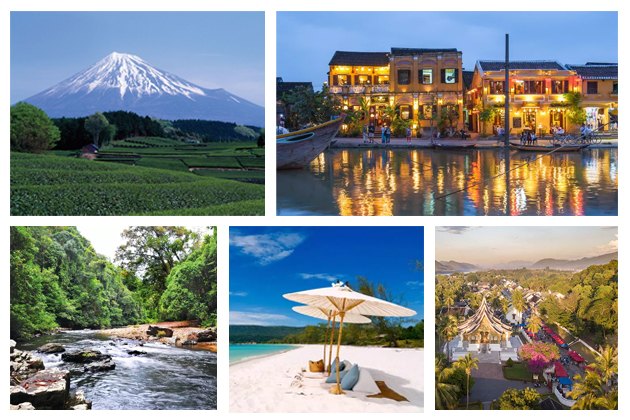
Asia is, in actuality, the biggest continent in both terms of size and population. For many of the earliest civilizations on Earth, it is also the region with the most diversified multicultural population. It’s challenging to choose just a few places to visit in Asia because it takes a month to fully see one nation. Here are five of the best travel places in Asia to visit if you’re looking to travel on a tight budget.
- Mount Fuji – Japan
One of the Three Holy Mountains cherished in Japanese tradition is Mount Fuji, a magnificent mountain in Japan with a snow-capped peak. Traditional beliefs place power in those three mountains, and Mount Fuji has volcanic power. Mount Fuji, categorized as a stratovolcano, has not erupted since 1708. Aokigahara, a dense forest that developed from the hardened lava that encircles Mount Fuji and contains a variety of fantastic ice caves to explore, is located near the mountain’s base.
- Hoi An – Vietnam
Hoi An is the oldest trading harbor on the continent and one of Asia’s oldest cities. In the fifteenth century, the port was a significant stop for trading ships and is still a busy port today. The city is breathtaking, with many of the original timber-frame structures still surviving and sporting vibrant French colonial shutters. Every complete moon cycle, the city holds the Lantern Festival to pay tribute to all of its ancestors. Hoi An is among the best sites to visit in Asia at this time of year, making it one of the ideal seasons to travel there. If you enjoy history and culture, Hoi An is your destination.
- Taman Negara National Park – Malaysia
One of Asia’s oldest jungles, one of the continent’s most stunning tropical rainforests, and one of the most astounding natural wonders in the entire globe is the spectacular Taman Negara National Park. The 1700 square mile ancient forest is home to vegetation and species that have organically developed over millions of years. Visit Taman Negara National Park if you’re a wildlife enthusiast who has always wanted to view some of Asia’s extraordinary and incredible wildlife.
- Koh Rong – Cambodia
Visit the magnificent island of Koh Rong in Cambodia if you want to venture further from the tourist trail while visiting Asia. Some of the gorgeous beaches in the nation may be found on this tiny island off the coast of the province of Sihanoukville.
- Luang Prabang – Laos
Southeast Asia is home to several breathtaking tourist destinations if you’re looking for beautiful places to visit in Asia. One is, without a doubt, the stunning Laotian village of Luang Prabang. The Town of Luang Prabang is one of 33 communities that comprise the UNESCO World Heritage Site. The best ways to explore Luang Prabang are on foot or by bicycle due to the city’s numerous temples, colonial structures, and homes being spread out throughout the city’s winding lanes.
You will find verdant hills and stunning rice paddies extending outside the horizon. The Pak Ou Caves on the Mekong River and several stunning Buddha statues are just two of the fantastic natural attractions in the area.
Final Words
So, if you are considering traveling to Asia, these five incredible locations have a fantastic blend of history, culture, and breathtaking nature waiting for you.

by pankaj | Nov 21, 2022 | Vacations & Leisure
A honeymoon in Iceland is a terrific choice because of the Nordic culture, huge landscapes, captivating scenery, hypnotic glaciers, and spectacular animals, to name a few factors. Iceland is a wonderful destination for a romantic holiday with your spouse because it offers so much. With proper planning, there is nothing that could go wrong here. Iceland offers a variety of luxurious honeymoon destinations that guarantee to provide you with a complete romantic experience. Read on to know more.
Best Honeymoon Destinations in Iceland
There are numerous places to visit in Iceland, providing a unique experience. Here, we’ve prepared a list of the top Iceland honeymoon suggestions for you to pick from, making the trip more special and lovely.
- Seltjarnarnes
The city of Seltjarnarnes is found in northern Iceland. Nothing is more desirable and romantic than watching the light dance in the sky with your significant other late at night. This small town is the ideal place to kick back and view the Aurora Borealis because it is far from pollution and city lights. While on vacation in one of the many hotels or cottages in the area, you may relax and enjoy one of the world’s most breathtaking sites with someone special.
Best time to visit: May to September
Things to do: Peninsula Jogging, Golf, Fun tour
- Blue Lagoon
It is one of Iceland’s top honeymoon locations and is another natural wonder in this stunning nation. The Blue Lagoon, a naturally occurring geothermal spring with various characteristics, is one of the gorgeous destinations in the entire nation. The lagoon’s naturally warm seawater transforms it into a natural spa and makes it the ideal location for a romantic soak. The water is crystal clear and is reputed to have therapeutic qualities. The ideal honeymoon destination would be Iceland in December. Think of spending time with your significant other in a hot spring when the mountains around you are covered in snow.
Best time to visit: June, July, and August
Things to do: Adventure, Sightseeing
- Countryside Horse Riding
Iceland offers the most extraordinary horseback riding opportunities on the planet. Although you may have heard of romantic horseback riding on the beach, horseback riding in the countryside will undoubtedly add to the romance of your Iceland honeymoon. The ride will take you through rivers, wide, rich green landscapes, and more against a picturesque backdrop. You will undoubtedly become closer to your lover and create some private moments while riding horses and admiring Iceland’s natural beauty and rich cultural heritage. The rides are comfortable, and the horses are lovely and friendly.
Best time to visit: July and August
Things to do: Horse riding
- Akurey Or Lundey Island
The cutest birds you can view in this area throughout the summer can be seen in Akurey and Lundey, which are known for housing most of the puffins in the nation. Both islands are easily reachable from the city and are only 30 minutes away. The islands are only accessible in the summer but are home to millions of puffin nests and many other unique birds. The islands are a great place to get away from the city with your significant other and reconnect with nature while taking in the various bird species in the area.
Best time to visit: September to November
Things to do: Water sports activities
- East Fjords
Beach visits are a must while traveling anywhere in the globe, and when traveling with a spouse, the experience is more fun and romantic. But what if we told you that Iceland has these extraordinary black sand beaches that completely redefine beauty? You read that right—black sand beaches may be found in the East Fjords. So for a unique experience, go there in the off-season.
Best time to visit: July to September
Things to do: water sports activities, sightseeing
by pankaj | Nov 18, 2022 | Vacations & Leisure
Venice is a well-known city, and it is easy to see why. For ages, the renowned city has inspired delighted romantic declarations, and this trend is not set to end. During the summer, this place does get really busy. However, you can’t really criticize a large number of tourists for their behavior. The most beautiful city on a planet that is full of them, Venice is dream come true. So, here we are sharing some of the finest things to do in Venice, which will provide you with some helpful advice for avoiding the crowds and enjoying delicious meals while you get to know this city a little better.
- Grand Canal
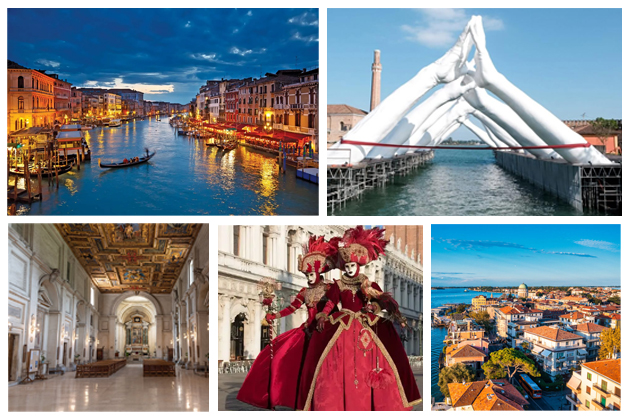
The Grand Canal’s water buses can get extremely crowded during the busy season, especially during morning and evening rush hours. However, by traveling the Grand Canal at night, you can avoid the crowds and enjoy the stunning experience of seeing the ceiling frescoes and opulent chandeliers decorated in all the regal palaces.
Hiring a water taxi is another option for avoiding the crowds of tourists on the Grand Canal. Even champagne is served on some vessels. Although this luxury is more expensive than public transportation, it is a great choice if you’re traveling with a group and want to enjoy waterborne transportation (it is often cheaper than gondolas, too). Additionally, narrower, beautiful waterways make for simpler water taxi navigation. Additionally, since only your group onboard, you can stop as often as possible for pictures.
- Venice Biennale
The “Olympics of the art world” are held in Venice every two years, drawing visitors from all over the world, including artists, curators, purchasers, and critics. The Biennale is the ideal venue for viewing the best contemporary art and learning about what is happening in other countries. If you can’t make time for the art festival, the foundation that sponsors it also puts on several other cultural events, such as film and music festivals.
- San Sebastiano
Every year, millions of people stand in line outside San Marco to get a peek at the magnificently overdone basilica. Instead, why not make a trip to San Sebastiano Church, which houses some of Venetian Renaissance master Paolo Tiepolo’s most important works? The ceiling paintings by Tiepolo were recently restored. Much of the church has been repaired and restored for more than ten years by Save Venice Inc., the nonprofit organization in charge of restoring numerous works of Venetian art and architecture throughout the city.
- Carnevale Festival
More than three million people dress up in masquerade costumes for the city’s annual Carnival, which takes place every February and lasts till the break of dawn. What differentiates this party? It’s from the Renaissance period. Theatrical attire Venetians wore included gilded white masks, black capes, ball gowns, and feathered caps. It’s a breathtaking sight to behold.
- Lido Island
Every September, when the Venice Film Festival comes to town, the Hotel Riviera on Lido Island becomes the go-to location for stargazing. But don’t postpone your visit to this breathtaking place till the beginning of October. Lord Byron, Thomas Mann, and Ernest Hemingway are some famous authors who have been at the hotel, which also boasts an impressive literary past that includes the author of “Death in Venice,” Thomas Mann. You can enjoy lying down on the idyllic beach.
by pankaj | Nov 16, 2022 | Travel Tips
In contrast to many other leisurely regions of the world, Sydney offers various enjoyable activities, particularly for couples. This city is constantly planning new events, whether a road trip, an art exhibition, or a new watersports competition. Depending on your preferences, you can spend your days engaging in adventurous activities both in the city and the wild, or you can take long leisurely walks along the beach.
As a couple who enjoys exploring new places and adores this legendary city, we’ve compiled a list of our top picks for planning your pleasure. So let’s review our top entertainment options in Sydney and prepare you for a blast!
- Visit the Royal National Park
The Royal National Park, a short ride from Sydney’s CBD and ideal for nature lovers, is an unending source of Zen, healing energy, and adventure sports. Start by having a picnic in the peaceful greenery. Next, stroll down the coastline trail, which stretches for an incredible 26 kilometers. You can choose to only read one portion or take breaks sometimes.
You can stop by any of the barbecue-friendly locations, relax on the beach, go biking, or even plan a weekend getaway with your better half in the Reids Flat Cottage for just $12 per day per vehicle as part of the entry fee.
- Climb the Harbor Bridge
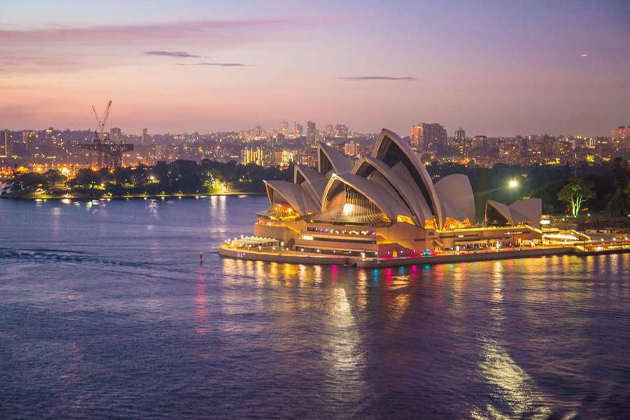
A trip over the Harbor Bridge is your best option if you want to enjoy a great thrill and perspective of the city and the water. Depending on the weather, you can choose from several daytime climbing angles and have a completely different experience and breathtaking views.
Because the climbs are planned in small groups, reserve your spot ahead of time. Unless you desire the speedy route, each ascent takes some time. So save up and attempt the climb—there is a wide range of charges, some exceeding $300!
- Awaken Your Inner Child
Has it been a while since you bounced around carelessly and made silly faces like a child? No matter your age, visiting a grown-up-friendly trampoline park in Sydney where you can let all that good energy loose is the ideal way to have fun, spend the day laughing, and feel unexpectedly weary.
For $35, you may get an all-day pass. Just leap about, flip, and bounce for an hour or two. You’ll most likely want to schedule your subsequent visit as soon as possible. Just to let you know, the tenth visit is always free! Why not take advantage of this ideal opportunity to recall that priceless feeling of being a child without a care in the world? You will experience that when you spend a few hours playing around.
- Go to Luna Park
Visit Luna Park, Sydney’s well-known amusement park, for more ways to rekindle your inner child with its modern rides and classic attractions. You may purchase an all-day pass for just $52 and take advantage of the rides appropriate for your height and age.
Once you pass the spooky clown entryway, you will enter a timeless realm filled with rides like the vintage carousel. The devil’s drop and the crazy rotor are just two examples of the thrilling rides available. Next, visit the mirror maze and take a space shuttle ride. Finally, you can finish your visit to some cafes by enjoying a nice meal and refreshing drink.
- Ride a Hot-Air Balloon
You’ve watched the films and heard the tales, but you’ve probably never experienced this classic, romantic flight. For the benefit of all infatuated couples, Sydney provides hot-air balloon trips that are ideal for you and your partner to exchange sentimental glances and a breathtaking view of this beautiful city.
A weekday Hawkesbury Valley flight includes a bus ride to the balloon, commemorative photos, a certificate, insurance, and an hour of flying above the city while taking in the breathtaking scenery for $259 per person.
Final Words
So, above are just a few of the numerous activities we love to do in this magnificent city that will make you happy for the rest of your life, offer you priceless memories, and make you fall madly in love with Sydney!