Buying or selling a car is never just a small decision. Maybe you’re upgrading to something bigger for a growing family, thinking about making the jump to electric, or just want a car that actually fits how you live these days. Whatever the reason, the sheer number of models, prices, and deals out there can make it hard to know where to even begin.
That’s whereCarwow comes in — it brings the whole process of buying, selling, and comparing cars online into one place, so you’re not left juggling ten browser tabs and a headache. Whether you’re trying to work out what your next car should be or wondering what your current one is actually worth, doing this online rather than the old-fashioned way tends to save a lot of time — and a fair bit of frustration too.
Comparing Car Deals Without Leaving the House
Choosing the right car isn’t just about finding a model you like the look of. Price, spec, running costs, features — they all matter, and they all pull in different directions. Being able to compare deals online means you can weigh all of that up properly before you commit to anything.
Rather than losing a weekend to dealership visits, you can do your homework from the sofa. Comparing a handful of models side by side helps you figure out what actually matters to you, and what fits your budget without any surprises later on.
Looking for the Best Place to Buy a New Car
Something is exciting about buying a new car — but with so many manufacturers and models competing for your attention, it’s easy to feel a bit lost. Starting your search online gives you a sensible jumping-off point rather than walking into a showroom blind.
Petrol, hybrid, electric — whatever you’re leaning towards, browsing online first lets you weigh up the options at your own pace.Carwow‘s whole aim is to make that discovery process a bit easier, surfacing cars and deals that are actually worth your time.
Getting a Clearer Picture with Side-by-Side Comparisons
Torn between two cars? Putting them side by side often makes the decision much easier. Once you can see specs, performance, tech, practicality, and price laid out together, the differences tend to jump out — even between cars that seemed almost identical at first glance.
This kind of comparison is especially useful when two models look similar on paper but turn out to be quite different once you dig in. A bit of time spent comparing now can save you from second-guessing your choice later.
Finding Out What Your Car Is Really Worth
If you’re thinking about changing cars, it helps to know where you stand first. Afree, instant car valuation gives you a solid starting point — no guesswork, no lowball offers from someone trying to talk your car down. A quick valuation can help you:
Get a realistic, no-obligation figure in minutes rather than waiting on a dealer
Set a proper budget for your next car before you start browsing
Spot straight away whether trading in or selling privately makes more financial sense
Avoid being caught out by a lowball offer once you’re at the negotiating table
Selling Your Car Without the Usual Hassle
Selling privately can eat up more time than people expect — writing ads, fielding endless questions, arranging viewings, then haggling over the price. It’s rarely as quick as people hope. Selling through an online service instead means you can:
Skip writing and managing your own listing across multiple sites
Avoid arranging viewings and test drives with strangers
Get offers from verified buyers without back-and-forth haggling
Have the paperwork and payment handled as part of the process
Trading In Online and Keeping Things Simple
When you’re ready to move on from your current car, it’s worth thinking about whether a trade-in makes more sense than selling separately. Rolling the value of your old car straight into your next purchase links the two stages together, instead of treating them as entirely separate hassles. Rather than sorting out the sale first and then starting the buying process from scratch, you can factor your current car’s value in from the very start.
FAQs
What is Carwow and how does it work?
Carwow is an online platform that helps you buy, sell, and compare cars by connecting customers with trusted dealers and car deals.
Is Carwow free to use?
Yes, Carwow is free to use for buying and selling cars, with no customer fees.
How can I find out how much my car is worth?
You can get a free online car valuation from Carwow based on your vehicle details and current market demand.
Can I sell my car online with Carwow?
Yes, you can get a valuation, receive offers from dealers, and arrange collection and payment online through Carwow.
Can I compare cars and deals online with Carwow?
Yes, Carwow lets you compare different cars, specifications and prices to help you find a suitable deal.
Start Your Car Journey with Carwow
Wherever you are in the UK, Spain or Germany — finding your next car doesn’t have to be a headache. From comparing models and browsing deals to checking what your current car is worth and weighing up your options for selling it, Carwow gives you a straightforward way to figure it all out. Ready to buy, sell or compare cars online?Take a look at what Carwow has to offer and make your next car change a little easier on yourself.
Everyone’s had this thought at some point: “I have a great idea for an app.” And then, almost immediately, reality sets in — you’d need to learn to code, or hire someone who can, or find a designer, or figure out testing, or just… a lot. Most ideas die right there, not because they’re bad, but because the distance between “idea” and “working product” feels too big to cross.
Emergent AI is built to close that gap. Instead of writing code, you describe what you want in plain language, and the platform helps turn that description into something you can actually click around in.
What Emergent AI Actually Is
Think of it as anapp builder for people who’ve never built an app. You explain your idea, walk through the features you want, and refine things by just… talking to it, basically. No syntax, no frameworks, no stack to choose.
That makes it a decent fit for people who wouldn’t normally touch a development tool — founders testing a hunch, small business owners who need one specific thing built, students messing around with a project, creators who have a product in mind but not a CS degree.
How Emergent AI Turns an Idea Into an App
Start with the idea, even a rough one: You don’t need a spec document. Just have a sense of what the app should do and who it’s for — a booking tool, a task manager, a dashboard for your team, whatever it is. Emergent AI takes it from there and helps shape it into something more concrete.
Describe it in detail: Once the concept exists, you flesh it out — what pages you need, what the user experience should feel like, what functions matter most. This is the part that replaces writing actual code: you’re just telling the platform what you want in normal sentences.
Then build, test, and tweak: The first version won’t be perfect, and that’s fine — that’s kind of the point. You use it, notice what’s off (a button in the wrong place, a missing feature, a clunky flow), and just tell it what to fix. It ends up feeling less like “programming” and more like a back-and-forth conversation.
What You Can Build With It
The range is pretty wide: a startup MVP, a simple business site, an internal tool for your team, a productivity app, something customer-facing. If you’ve been putting off a project because “build an app without coding” sounded like a pipe dream,this is the kind of tool that makes it less far-fetched- a real way to test an idea before sinking real money into a dev team.
Why Use an AI App Builder Like Emergent AI?
The honest answer is: speed and simplicity. Normally, getting from idea to working app means pulling in a designer, a frontend developer, a backend developer, someone to test it, someone to deploy it. That’s a lot of people and a lot of time for something that might not even work out. An AI-driven build process lets a much smaller team — sometimes just one person — get to a real, usable version fast.
Founders trying to validate an idea before committing to it. Small businesses that need something specific built without hiring a full team. Creators with a product in mind. Students working on a project. It’s genuinely useful for getting something off the ground fast.
That said, it’s not a replacement for experienced developers once things get complicated. Heavy customization, serious security needs, and long-term scaling are still a different conversation.
Bottom Line
You don’t have to start with a blank code editor anymore. With Emergent AI, you start with a description, get a working first version, and improve it from there through plain conversation. If you’ve got an idea sitting in your notes app that you’ve never done anything with, give it a try here and see if it holds up.
Fairein 2026 is the largest wholesale marketplace for independent retail, connecting over 100,000 brands with 700,000+ retailers globally.
For retailers, it’s genuinely useful. Net-60 terms, free returns on opening orders, and a wide brand catalog make discovering new products low-risk.
For brands, the value is more complicated. 25% commission on new customers plus 15% on reorders eats into margins, though Faire Direct lets you keep zero-commission orders from your existing relationships.
Best for retailers looking to diversify their sourcing and for smaller brands that need distribution more than they need margin protection.
Introduction
Faire has become the default wholesale marketplace for independent retail in 2026, and opinions on it split cleanly along which side of the transaction you’re on. Retailers mostly love it. Brands have a more complicated relationship with the platform. Both perspectives are legitimate and worth understanding before you decide whether Faire fits your business.
This review covers what Faire actually delivers in 2026 for both retailers and brands, the real commission structure and payment terms, how Faire Direct changes the math, and honest guidance on when the platform makes sense versus when you should build direct relationships instead.
Featured Snippet
Faire in 2026 is the leading online wholesale marketplace connecting independent retailers with brands globally. Retailers get free membership, Net-60 payment terms, and free returns on opening orders. Brands pay 25% commission on first orders from Faire-acquired customers and 15% on reorders. Faire Direct orders are commission-free.
What Faire Actually Is
Faire launched in 2017 as a wholesale marketplace designed specifically for the independent retail segment that traditional wholesale channels underserved. The founders came from Square and understood the pain points of small retailers dealing with wholesalers who required large minimums, immediate payment, and returned nothing.
The platform grew fast. By early 2026 Faire lists over 100,000 brands and serves more than 700,000 retailers across the US, Canada, UK, EU, and Australia. It’s the dominant player in the space, well ahead of alternatives like Abound, Bulletin, and Handshake.
The core value proposition is different for each side.
For retailers, Faire removes the barriers that made wholesale hard. Free membership. Net-60 payment terms so you can sell inventory before paying for it. Free returns on any first order from a new brand, letting you test products with no risk. Low or no minimums on most brands. A wide catalog you can browse without needing to attend trade shows.
For brands, Faire offers discovery and payment infrastructure. New customer acquisition through the marketplace, verified retailer accounts, fraud protection, guaranteed payment even if the retailer defaults, and shipping tools. In exchange, Faire takes a commission on each order routed through the platform.
The relationship works when both sides get real value. Where it gets contentious is on the brand side, where the commission structure has to be weighed against alternative sales channels.
The Commission Structure Nobody Explains Clearly
Faire’s fee structure has three tiers and this is where many brands get confused when they first sign up.
**25% commission** applies to first orders from any retailer who was acquired through the Faire marketplace. This is the acquisition fee. Faire is charging you for bringing you a customer you wouldn’t have found otherwise.
**15% commission** applies to reorders from that same Faire-acquired retailer. This is ongoing revenue share on the customer relationship Faire built.
**Zero commission** applies to orders placed through your unique FaireDirect link, which is a free customizable landing page you can share with retailers you found on your own. If a retailer you already know places an order through Faire Direct, Faire processes the payment and shipping infrastructure but takes no commission.
That third tier is the one many brands miss when they run the math. Faire Direct effectively turns the platform into free wholesale ordering software for your existing customer relationships. The commission only kicks in when Faire actually delivered the customer.
According to Faire’s 2025 brand report, roughly 40% of orders placed on the platform now come through Faire Direct rather than marketplace discovery. That’s a meaningful shift and suggests many brands are using the platform strategically rather than as a pure sales channel.
The Retailer Experience
For independent retailers, Faire is genuinely one of the best things to happen to small business sourcing.
Opening an account is fast. Verification takes 24 to 48 hours. Once verified, you can browse the full catalog and place orders immediately.
Net-60 payment terms are the killer feature. You receive inventory, put it on your shelves, and have 60 days to sell it before payment is due. This is the same term big-box retailers get from wholesalers and it dramatically changes the cash flow of running a small shop.
Free returns on opening orders remove the risk of trying new brands. If a product doesn’t sell in your store, you can return it. This encourages experimentation.
The search and discovery experience is solid. You can filter by category, aesthetic, price range, minimum order value, and shipping origin. AI-powered recommendations added in 2025 have improved noticeably in the last year
Shipping is fast for a wholesale platform. Most brands ship within a week and orders typically arrive within two weeks of order placement.
The main friction points for retailers involve occasional inventory issues, some brands being slower to ship than promised, and a customer service experience that varies depending on the issue. Standard order questions get resolved quickly. Complex disputes can drag.
The Brand Experience
For brands, Faire is more complicated. Whether it works for you depends heavily on your margin structure and existing distribution.
If your product carries strong margins and you need distribution more than margin protection, Faire is a real growth channel. New retailers discover your products, place orders, and often become repeat customers. The 25% commission on first orders is essentially a customer acquisition cost that’s often lower than paid ads.
If your margins are already thin, Faire’s commission structure can be brutal. Losing 15 to 25% of your wholesale price on top of production costs and fulfillment can turn otherwise profitable orders into breakeven or losses.
The Insider program adds another dimension. Faire Insider is an invite-only tier where brands agree to exclusivity on the marketplace in exchange for higher visibility and priority placement. Some brands find it valuable. Others resent the exclusivity requirement.
Faire’s fraud protection and guaranteed payment are real benefits. If a retailer defaults, Faire covers the invoice. Fraud attempts on wholesale orders are surprisingly common and Faire absorbs that risk.
Brand control over pricing, product presentation, and customer relationships is more limited on Faire than in direct relationships. This bothers some brands and doesn’t concern others.
Faire vs Alternatives In 2026
**Fairevs Abound.** Abound is the closest competitor in the US market with a similar model. Abound has slightly lower commissions on some tiers but a smaller retailer base. For brands, testing both is reasonable. For retailers, Faire has broader selection.
**Faire vs Handshake.** Handshake is Shopify’s wholesale marketplace and integrates natively with Shopify stores. Handshake is smaller but growing. For Shopify brands specifically, the integration is a real advantage.
**Faire vs RangeMe.** RangeMe focuses on getting products into major retailers like Whole Foods and Target rather than independent boutiques. Different segment entirely.
**Faire vs direct sales.** Building direct wholesale relationships through trade shows, sales reps, and outbound sales gives you full margin and full customer control. But it requires significant time investment and sales infrastructure that many small brands don’t have.
For most independent brands, the choice isn’t Faire versus alternatives. It’s Faire plus direct sales, using Faire Direct to keep existing customers commission-free while treating the marketplace as an acquisition channel.
Where Faire Falls Short
Not a perfect platform. Real issues to weigh.
Commission on reorders continues indefinitely, meaning Faire earns 15% on a customer relationship potentially forever. Some brands find this fair. Others believe reorder commission should decline over time or cap at some point.
Retailer approval standards have loosened over the years. Some brands report seeing orders from accounts that clearly aren’t legitimate retail stores. Faire has made improvements here but it’s still an issue.
The Insider program’s exclusivity requirement is controversial. Being asked to give up other marketplaces to get better placement on one feels coercive to some brands.
Customer support for brands can be inconsistent. Basic account questions get answered quickly. Nuanced disputes involving pricing, returns, or category issues can be slow.
For international brands, the platform is US-centric even after EU and UK expansion. Currency handling, shipping infrastructure, and retailer discovery all favor US brands.
The marketplace has become more crowded. Standing out among 100,000 brands is harder than it was when the platform had 10,000. Newer brands sometimes struggle to gain visibility without paid promotions.
How This Plays Out In Practice
Consider a hypothetical case from the retailer side. A boutique owner in Portland runs a home goods shop with $200,000 in annual revenue. Currently sourcing from four wholesale suppliers and one local artisan network.
Adding Faire opens up a catalog of thousands of brands with Net-60 terms and free returns on trial orders. The retailer can test 10 to 15 new brands per quarter with almost zero risk, keeping the ones that sell and returning the ones that don’t. Over a year this typically results in three to five new consistent suppliers being added to the mix. Revenue impact varies but 10 to 20% same-store sales lift from better product selection is common in the first year.
Now the brand side. A candle maker producing handpoured soy candles with a $12 wholesale price and $5 cost of goods sold. Margin per candle is $7.
On Faire’s 25% first-order commission, that $12 candle nets $9 wholesale minus $5 COGS, so $4 margin. On the 15% reorder commission, it’s $10.20 net minus $5 COGS for $5.20 margin. Still profitable but noticeably less than the $7 margin on a direct order.
The decision for the brand comes down to whether the customers Faire brings in would have found the brand otherwise. If yes, the commission is pure cost. If no, it’s reasonable customer acquisition spending.
Common Mistakes People Make With Faire
**As a retailer.** Ordering too broadly from too many brands at once. The Net-60 terms feel like free money until the payment window closes and you’re facing invoices for inventory that hasn’t sold. Discipline matters.
**As a retailer.** Ignoring the return window on opening orders. Returns must be initiated within a specific timeframe. Missing it means you own the inventory whether it sells or not.
**As a brand.** Not setting up Faire Direct properly. Every existing wholesale customer should be moved to your Faire Direct link before their next order. This alone can save thousands per year in commission.
**As a brand.** Pricing on Faire the same as direct wholesale. Some brands adjust their Faire pricing upward to account for the commission, effectively passing the cost to retailers rather than absorbing it themselves.
**As a brand.** Signing the Insider agreement without carefully reading the exclusivity terms. Some brands regret the commitment later.
Should You Use Faire In 2026
**For retailers.** Almost always yes. The Net-60 terms, free returns on opening orders, and product discovery alone justify signing up. There’s essentially no downside to having an account.
**For brands.** It depends on three questions.
Do your margins support 15 to 25% commission on marketplace orders?
Do you need customer acquisition or do you already have enough direct relationships?
Are you willing to actively manage your Faire Direct link to keep existing customers commission-free?
If you can answer yes to all three, Faire is a valuable growth channel. If any of the answers is no, weigh alternatives carefully.
FAQ
Is Faire legit in 2026?
Yes, Faire is a legitimate wholesale marketplace connecting independent retailers with brands. Founded in 2017, the platform now serves over 700,000 retailers and 100,000 brands globally. Both sides receive real value from the platform. Concerns typically involve commission economics on the brand side and inventory reliability rather than platform legitimacy.
How much does Faire cost for brands?
Fairecharges brands 25% commission on first orders from retailers acquired through the marketplace, 15% on all reorders from those retailers, and zero commission on orders placed through your unique Faire Direct link. There is no monthly subscription fee. All costs are transaction-based, tied to actual sales.
Is Faire worth it for small retailers?
For most small retailers, yes. Free membership, Net-60 payment terms, and free returns on opening orders make Faire genuinely low-risk for testing new brands and discovering products. The platform’s discovery tools and AI recommendations have improved significantly. There’s little reason for a small retailer not to have an active Faire account.
What is Faire Direct and how does it work?
Faire Direct is a free customizable ordering page that brands share with their existing wholesale customers. Orders placed through your Faire Direct link use Faire’s payment processing, shipping tools, and Net-60 terms infrastructure without any commission fee. It’s essentially free wholesale ordering software for your existing retailer relationships.
What are the best alternatives to Faire in 2026?
The closest US alternative is Abound, which offers a similar marketplace model with a smaller retailer base but slightly different commission structure. Handshake is strong for Shopify-native brands. RangeMe serves brands targeting major retailers rather than independents. Most brands use Faire alongside direct sales rather than choosing between them.
Conclusion
Faire in 2026 is a mature, dominant wholesale marketplace that solves real problems for independent retail. The retailer experience is strong across the board. The brand experience is nuanced and depends on your margins and distribution needs.
The smartest brands use Faire strategically rather than defensively. Faire Direct handles existing customers commission-free while the marketplace serves as a paid acquisition channel for genuinely new relationships. That mixed usage pattern gets the best of both sides of the platform.
The right question isn’t whether Faire is good or bad. It’s whether the specific value it delivers matches what your business actually needs.
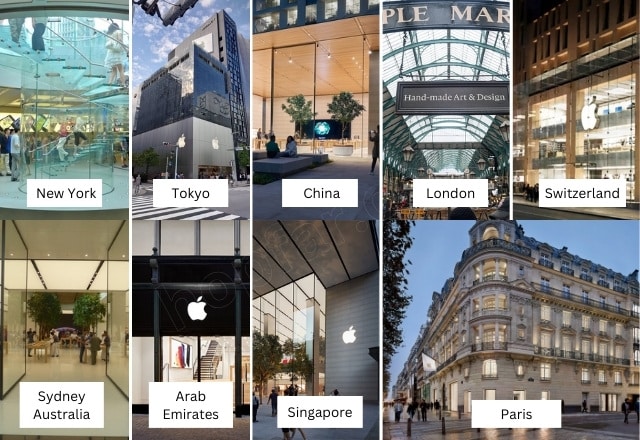
Each and every one of us knows Apple iPhones as global sensations, and the stores that sell them are booming businesses. Although the details of sales data are kept secret, there are certain stores which are clearly incredibly popular. Let’s take a closer look at 8 of the world’s top iPhone-selling stores and what makes them successful.
Apple Fifth Avenue, New York City, USA
This world-famous glass cube serves as a beacon and a significant place of interest on its own. Its Fifth Avenue address on one of the world’s most expensive retail streets is the ultimate assurance for strong foot traffic. Innovative glass cube design, a commitment of Apple to aesthetics, adds another reason to visit the store for technology lovers and makes the iPhones one of the best-selling with it.
Apple Champs-Élysées, Paris, France
Located on the very famous Champs-Élysées street, the store enjoys a large international customer base. The architectural design, with its floor-to-ceiling windows, shows the elegance and refinement of the Parisian road. Trilingual staff make it a smooth buying experience for tourists and locals around the world and consequently, make it an important player in iPhone sales globally.
Apple Ginza, Tokyo, Japan
Located at the heart of fashion-forward Ginza district, the prestigious neighborhood aligned with luxury brands and world-class department stores, Apple Ginza store is an unmistakable symbol of the brand’s feature in Asia. The design embraces the city’s modern outlook while the service-oriented staff attracts a technologically savvy customer base. Combined with location, design, and services offered makes it a big seller for iPhones in the Asian market.
Apple Pudong, Shanghai, China
The Apple Pudong Store within Shanghai’s financial business district is the ideal place to benefit from the huge market that China offers to Apple products. The store being at the proximity of corporate offices and affluent neighborhoods has a high traffic of customers who go for the latest iPhones. The store’s design exhibits a function and efficiency character which is prevalent in the fast-paced Shanghai financial area.
Apple Covent Garden, London, England
This remarkable Apple premium retail store is located in London’s Covent Garden district, which is popular among tourists for its energetic street performances and high-end shops. It is a must-visit destination for iPhone users. The historical site, once a theater, delivers charm while the hospitality and knowledge of the staff make it the choice for top-selling iPhones.
By all means, mega flagship stores usually occupy the headlines, the winning formula in iPhone sales is not restricted to the megalosities within big cities. Regional retailers are among the shops that have specialized in attending to particular customer groups or rendering high-quality customer service. These stores often act as anchors in their communities, fostering a loyal customer base
Apple Jungfrusstrasse, Zurich, Switzerland
Switzerland is characterized by a high GDP and a population which is very keen on Apple products. The Apple Jungfrusstrasse store, built into the Bahnhofstrasse, the lavish shopping district of Zurich, provides for this distinguished clientele. The design of the store is in the Swiss style and minimalistic, thus reflecting the Swiss personality; the staff, for their part, provide excellent service in multiple languages.
Apple ION Orchard, Singapore
Singapore is one of the top tech hubs in Southeast Asia and the Apple ION Orchard store is an illustration of the brand’s emphasis on this fast-growing market. The store which has set up in ION Orchard mall, a top luxury shopping destination, has a beautiful design and exciting features like an interactive video wall that highlights Apple products. A staff that is able to speak many languages guarantees a smooth shopping experience for a wide range of clients. It is, therefore, the top seller in Southeast Asia.
Apple Dubai Mall, Dubai, United Arab Emirates
Dubai is a huge shopper’s paradise, with the Apple Dubai Mall store being the pinnacle of luxury. Sited in the world’s biggest shopping mall, it delicately targets the most refining crowd who are after the newest iPhones. The opulent surroundings with a marble floor and high ceiling are compatible with the reputation of the personality of Dubai Mall. Customers experience the best service due to the skilled workers who make the buying process of these high-end customers easy.
Apple Sydney, Sydney, Australia
This flagship store in the CBD of Sydney is a must-visit destination for iPhone shoppers in Australia. The glazed, modern design projects the city’s dynamic atmosphere. An emphasis on the user experience is the main driver behind the establishment of features such as a Genius Bar for technical support and interactive displays which deliver the product information, making it a top destination for both casual browsers and serious buyers. This integration of the factors places it as the number one retailer of iPhones in Australia.
It must be emphasized that this list is not exhaustive, and, probably, some other stores might also be worth paying attention to. Things like location, store design, and customer service are what make a store successful. This is only a fraction of the number of Apple stores that sell Apples around the globe, which provide an attractive combination of location, design, and customer service which make them the leaders in iPhone sales.
Coffee – the key component of many people’s mornings and afternoons – has an illustrious heritage and varied genesis. From the misty mountains of Guatemala to the volcanic slopes of Indonesia, where particular places produce coffee beans cherished for their individuality and excellence. Let’s embark on a global coffee adventure, exploring the top 10 caffeine plantation areas:
Brazil: The Unchallenged Monarch
Brazil is the top producer in coffee, and this country manufactures as much as 2.65 million metric tons yearly. Brazil also provides original Arabica beans from the Cerrado region. They are known for their distinctive smooth, harmonious flavor with hints of honey and hazelnut, but not at all like the ‘in your face’ image associated sometimes with Brazilian coffee.
Vietnam: Robusta Champion
Vietnam is second to this only with 1.65 million metric tons per year. Here, Robusta reigns supreme. These beans are known for their rich flavor, more caffeine, and special ground-like aroma. Vietnamese coffee traditionally has a strong and creamy taste whether served hot or iced with sweetened condensed milk, which is the best way to begin the morning.
Colombia: The Peak Of Perfection
Colombian coffee is known synonymously with quality, providing 810,000 metric tonnes per annum. Grown at high altitudes, especially in the Andean region around Medellin, Colombian varietals are known for distinct acidity, full body, and pronounced flavors that can be nutty, chocolatey, and even citrusy or floral. Colombian Supremo types are highly appreciated for their standard quality and rich flavor.
Indonesia: A Coffee Archipelago
The existence of volcanic soil and diverse growing conditions across the Indonesian archipelago is the main factor for the country’s big coffee output, which is estimated at 660,000 metric tons per year. Each island has its own distinctive posture. Sumatran Mandheling, which grows in the rich volcanic soils of Sumatra, is known for its earthy, herbal cup, while the Sulawesi Toraja, produced in the mountainous Toraja region of Sulawesi, is loved for its full-bodied, almost winey flavor with a bit of spice.
Honduras: Beyond the Bean Belt
Honduran coffee production surpasses 580,000 metric tons. Honduras has not been a part of the top-notch bean belt based in Central America. However, in recent years, this has changed, and this country now has a reputation for producing Arabica beans of very high quality. The Copan Ruinas region in Honduras is a perfect example of the right climate and altitude, which leads to coffees with complex, well-balanced flavors having tones of chocolate, citrus, and caramel.
Ethiopia: The Origin of Coffee
Ethiopia, the birthplace of coffee connoisseurs, is responsible for the yearly contribution of 384,000 metric tons. Known for its heirloom Arabica varieties with floral and fruity notes, Ethiopia Yirgacheffe, a variety from the southern highlands cherished by coffee lovers. This kind of bean has a bright acidity together with citrus and blueberry characters, and also a rather distinctive floral scent, which point to their ancient conventions.
India: A Land of Diversity in Coffee
While India has a production of 348,000 metric tons, the country extends beyond the ordinary cup of coffee, catering to a multitude of preferences. The Indian coffee varies from strong, chicory-infused South Indian filter coffee which is popular in the Karnataka and Kerala regions to unique monsooned Malabar beans that are exposed to the monsoon winds of the Malabar Coast. Indian coffee is certainly proof of the rich coffee culture in the country.
Uganda: A Rising Star
The coffee production in Uganda reaches a remarkable 288,000 metric tons a year. Although Robusta is a widespread variety, especially around Lake Victoria, specialty Arabica beans from the mountainous farming areas of Bugisu region are becoming known. Beans from this country brew a rich, velvety cup with flavors of chocolate and berries which is a nice advantage from this East African country.
Mexico: Shade-Grown Gems
Arabica bean from Mexico’s shade-grown Arabica beans, which are grown under the canopy of rainforests in Chiapas and Veracruz, produce 234,0000 metric tons each year. Renowned for its outstanding acidity, flavor notes of chocolate, spices, and slight smokiness, Mexican coffee offers a unique experience. Sometimes taken standalone as a brewed pour-over or a traditional “Cafe de Olla” mixed with cinnamon and cloves, Mexican coffee is an entree of adventure in every sip.
Guatemala: Volcanic Perfection
The last one is Guatemala producing 225,000 metric tons of coffee a year. Guatemalan Antigua coffee beans, from Antigua Valley, which is volcanic, are acclaimed for their high acidity, light citrus and chocolate notes, and smooth finish. Similarly, another Guatemalan location, Huehuetenango, which is well known, produces a full-bodied coffee with a touch of spice and a lot of stone fruits flavor. These high-altitude, shade-grown coffee beans are a witness to the fact that Guatemala takes the quality standards in its coffee production very seriously.
Hence, whenever you next brew a cup of coffee, take time to reflect on the location where coffee beans are grown. Whether it is from the giant plantations of Brazil to the little and precise farms of Ethiopia, every cup is a window to the farmer’s hard work, knowledge about the climate, and their struggles for the best cup of coffee. The world of coffee offers a diverse range of flavors and regions to satisfy any coffee lover.
Shapewear dresses help to make you look slimmer, more fit, and sexier under any outfit, boosting your confidence and outlining your natural curves. However, the number of alternatives presents a challenge of how to choose the best one. Let’s explore eight amazing shapewear dresses from top brands, focusing on features, comfort, and how they can best suit your needs.
Yitty Nearly Naked Shaping Mid-Thigh Bodysuit
Brand: Innovative shapewear company, championing size inclusivity and comfort, something unique in the industry – Yitty is a fresh breeze in the field.
Features: This bodysuit provides targeted smoothing from the torso to the thighs so you can achieve a smooth and sculpted silhouette without feeling confined. That is where the magic of Yitty’s fabric technology comes in. Breathable, seamless, and lightweight, it feels like a second skin and conforms to your curves without any pinching or digging. Adjustable straps mean a personalized fit and for those looking for discretion, the almost invisible construction guarantees no panty lines.
Comfort Level: A significant proportion of reviewers praise how the soft and lightweight fabric resembles a second skin. This can be a good solution for people who highly value comfort and the natural look.
Skims Sculpting Seamless Mid-Thigh Bodysuit
Brand: Admired by celebrities for its sculpting power and its fine fabrics, Skims is the favorite of those who just want to have a more dramatic shaping.
Features: Utilizes compression technology that effectively smoothes and shapes while not compromising comfort. The mid-thigh cut offers sufficient leg coverage while the seamless construction provides a no-show finish, even under the most form-fitting dresses.
Comfort Level: It has a smoothing effect, but the compression may be moderate, for example, to some users. This is a good option for those who like a sculpted look but also give comfort consideration for everyday dressing.
Honeylove Cami Bodysuit
Brand: The Honeylove brand focuses on excellent shapers for maximum control. Such clothing is suitable for the people that need more serious shaping for special occasions or outfits that require a more prominent curve.
Features: The power shaping with specific compression on the abdomen and back makes this costume smooth and hourglass-like figure. Adjustable straps and an open-bust design make it possible to fit and support the bra perfectly.
Comfort Level: Medium-high. The compression is firm, which gives excellent shaping results, but may not be comfortable for all-day wear for a person, newcomers to shapewear.
Spanx Suit Your Fancy Plunge Low-Back Mid-Thigh Bodysuit
Brand: They’ve become a household name in shapewear and offer great results and variety of styles to suit different needs.
Features: Especially meant for dresses with daring necklines and backs, this bodysuit is fitted and has a plunging neckline and a low-back design to avoid any peek-a-boo moments. The mid-thigh cut provides shape to the legs and the fabric is smooth and non-see-through for full coverage.
Comfort Level: Compression suits effectively shape and the fabric is comfortable. Beyond the low-back design, the fit might require modifications so as to be adjustable enough, especially for a fuller bust.
Maidenform Wear Your Own Bra Singlet Fajas Shapewear
Brand: A reliable brand providing different types of shapewear at attractive pricing, Maidenform is a great option for shoppers looking for affordability and quality.
Features: The singlet gives you the chance to wear your own bra for a customized fit, which in turn guarantees comfort and proper support. It’s a process that can give a gentle to moderate shape for smoothing tummy and light control. A recognizable design with a hook-and-eye fastener makes putting it on and taking it off a breeze.
Comfort Level: This is an ideal choice for those prioritizing comfort over maximum compression. The breathable fabric and the comfort level of the underwear are convenient for all-day wear under loose dresses or skirts.
Shapermint High Waisted Body Shaper Shorts
Brand: Shapermint is very famous for providing quality shapewear at inexpensive prices, making it a favored choice for daily wear.
Features: Tones abs, glutes, and thighs for a smooth appearance without compromising your wallet. The high-waisted cut is designed to provide tummy control and lower-back support, leaving you with a flattering posture.
Comfort Level: They can be made out of a lightweight, breathable fabric, which makes them sufficiently comfortable to be worn under dresses and skirts. They can be worn underneath the pants for an even look.
True & Co. Body Lift Tank Top
Brand: True & Co. centers on size inclusivity and comfort which shapewear by definition does not restrict.
Features: This tank top brings light to moderate shaping effect with the purpose of evening and correcting your figure. It’s wonderful for daily use under loose dresses, or for women who want a more hidden shaping effect. The adjustable straps provide a personalized fit, while the breathable fabric and sweat-wicking materials ensure that you remain cool and comfortable all day long.
Comfort Level: The main point is to smooth the area with a light touch to give a soft feel. This is one of the best options if one wears shapewear every day or even for those who have never done shapewear before.
Levante Shaping Dress
Brand: Known for its expensive fabrics and innovative styles, Levante ensures an ultimate shapewear brand experience.
Features: This wrap dress is not only perfect for fashion but it also shapes your body. With it, there is a built-in bra that provides seamless support and thus there is no need to wear a separate bra. In addition, the fabric that is used is smooth, breathable, and also opaque so that you can wear it comfortably and invisibly under clothing.
Comfort Level: Medium-high. The shaping is effective, but the extravagant fabric makes it more pleasant to wear and less itchy than what shapewear has to offer. This is a perfect option for special events and enthusiasts who treasure a high-end shapewear experience.
With such a variety, think about your needs and taste when selecting your shapewear dress. If you like feeling comfortable all day and have a slight smoothing effect, prefer a soft, breathable fabric with gentle to moderate level of compression. For a more dramatic shaping result that can be used on special occasions, a suit with high compression might be adequate. Then, the perfect shapewear dress is the one that helps you to feel great and calm inside.