
Hiring your first few employees is exciting, right up until you realize how much comes with it. Payroll, taxes, benefits, records, onboarding paperwork- it all lands on your desk at once, usually while you’re still trying to run the actual business. Getting a handle on small business payroll and HR early on just makes life easier.
It’s the difference between constantly putting out fires and actually staying ahead of them. A lot of owners end up using something like Gusto at this stage, mostly because it pulls payroll, benefits, and HR into one place instead of five different tabs.
What Does payroll and HR management Include?
Small business payroll and HR cover a lot of ground. Payroll includes employee salaries, payroll processing, records, and tax-related responsibilities. HR handles hiring, onboarding, employee documentation, and employee benefits, and reviewing those employee benefits regularly keeps your team happy and your business compliant.
As your team grows, keeping all of this straight gets tricky, which is exactly where Gusto comes in, bringing several employee-management tasks into one connected system instead of scattered spreadsheets.
How to Manage Payroll for a Small Business
Managing small business payroll and HR starts with these core steps.
- Keep Employee Information Updated: Accurate details and payment info prevent unnecessary payroll problems down the road.
- Set a Payroll Schedule: Pick weekly, biweekly, or monthly and stay consistent — it makes employee payroll predictable for everyone involved, and predictable employee payroll builds real trust with your team.
- Track Employee Hours: Monitor regular time, overtime, and time off carefully so your small business payroll stays accurate. Getting small business payroll right here saves you headaches at tax time too.
- Stay Organized With Payroll Taxes: Keep records tidy and meet every deadline. This is where payroll software for small business owners really pays off, and a good payroll software for small business choice is built to simplify exactly this kind of recurring administration; Gusto included.
How to Manage Small Business Payroll and HR
Running small business HR well doesn’t require a big team, just a few consistent habits:
- Build a simple employee onboarding process so new hires know what to expect from day one
- Keep employee documents organized and easy to find
- Manage benefits efficiently instead of letting them go stale
- Keep employee information updated across the board
- Establish clear, easy-to-understand workplace policies
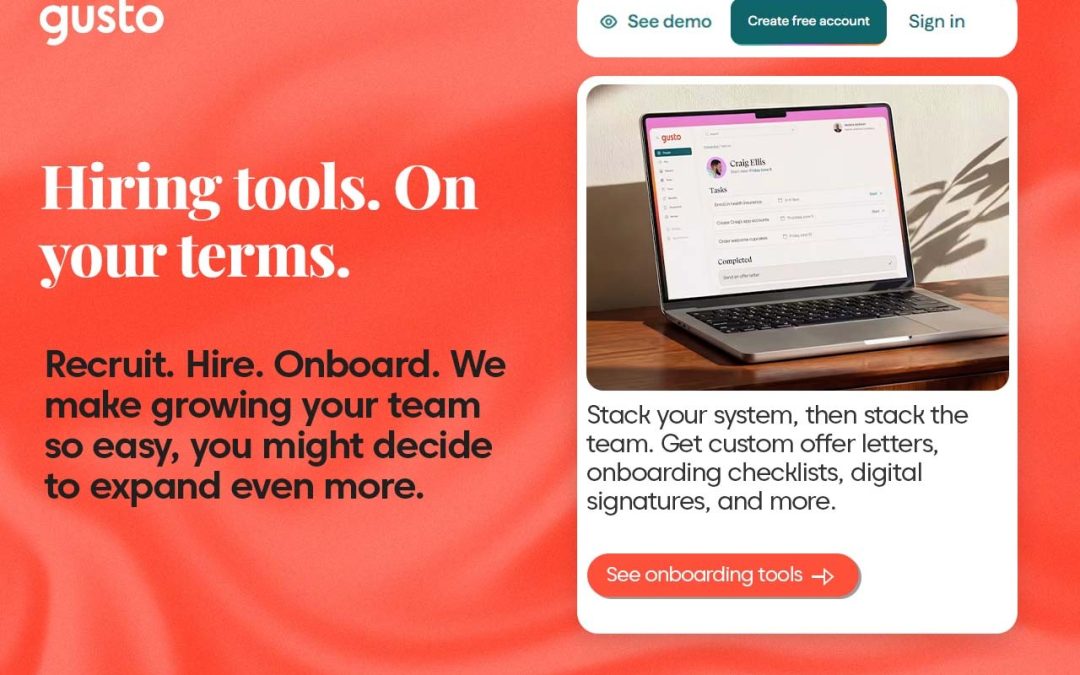
A strong employee onboarding experience sets the tone for everything that follows, and consistent small business HR habits keep it that way. HR software can take a lot of the repetitive admin work off your hands. For businesses wanting to manage HR, benefits, and payroll-related tasks digitally, Gusto is a solid option worth exploring.
Benefits of Payroll and HR Software
The right payroll and HR management software pays off in a few clear ways:
- Reduces manual administrative work
- Minimizes repetitive data entry
- Keeps employee information organized in one place
- Simplifies payroll processing
- Supports employee onboarding and benefits management
Strong payroll and HR management habits also make audits and reviews far less stressful. As your company grows, this kind of software stops being optional and starts being essential; it’s a core part of running small business payroll and HR well.
Common Payroll and HR Mistakes to Avoid
Even simple HR management for small business processes can go wrong. Watch out for:
- Missing payroll deadlines
- Entering incorrect employee information
- Poor record-keeping
- Forgetting benefits administration
- Depending too heavily on spreadsheets
- Failing to review your HR management for small business processes regularly
These small business payroll and HR slip-ups add up fast if left unchecked.
FAQs: Small Business Payroll and HR
- What is small business payroll and HR?
Small business payroll and HR include employee pay, payroll taxes, benefits, records, hiring, onboarding, and other employee management tasks.
- Do small businesses need payroll software?
Small businesses do not always need payroll software, but it can simplify payroll processing, tax management, employee records, and payments.
- What should payroll and HR software include?
Payroll and HR software should include payroll processing, tax support, employee records, benefits administration, onboarding, and essential HR management tools.
- How do you manage payroll for a small business?
Manage small business payroll by keeping employee data accurate, setting a regular pay schedule, tracking hours, processing payments, and meeting payroll tax deadlines.
- How can small businesses manage HR efficiently?
Small businesses can manage HR efficiently by organizing employee records, creating a clear onboarding process, managing benefits, updating policies, and using HR software to reduce manual work.
Final words
For small business owners, good HR management and an organized small business payroll and HR process can save a lot of time and reduce everyday admin work. Using the right tools can make things even easier. Gusto is one option to consider if you want to handle payroll, benefits, and HR from one place.