The small personal touches are usually what people remember most about a party. Anyone can hang up balloons, but a decoration tied to the actual person or moment sticks with people longer. That’s part of why custom cardboard cutouts have become such a popular pick for events across the US and Canada; they’re simple, a bit fun, and they instantly make a room feel like it belongs to whoever’s being celebrated. If you want a place to start,Cardboard Cutout Standees ships to customers in both countries and has a good range to browse.
What Are Custom Cardboard Cutouts?
Put simply, custom cardboard cutouts are life-size cardboard cutouts made from a photo you send in: a guest of honor, a couple, a mascot- whatever fits the day. They’re printed full-scale and mounted on sturdy board, so they stand on their own and hold up through a night of photos and foot traffic.
There’s plenty of room to play with the design too. You can go full-body, a simple headshot on a stick, or turn a group shot into custom standees for a whole squad. Custom standees like these work just as well for one guest of honor as they do for an entire bridal party. Either way, the point stays the same: something personal that a generic banner just can’t match.
Creative Uses for Cardboard Standees
Cardboard standees show up in more places than you’d guess:
Birthday parties — a cutout of the birthday person makes a great entrance piece or photo spot.
Weddings — a cutout of the couple, or even a life-size cardboard cutout version of a pet who couldn’t make it.
Corporate events — a mascot or executive cutout adds some personality to an otherwise formal room.Cardboard Cutout Standees can help you put together something that still feels on-brand.
Photo booths — pair a cutout with a backdrop, and guests have a built-in reason to stop for a picture.
Promotional events — brand mascots or spokesperson cutouts pull people in at trade shows and store openings.
How to Design a Personalized Cardboard Cutout
A few things separate a cutout that looks great from one that falls flat:
Choose the right image. Pick a photo with good lighting and a clear subject — busy backgrounds make the cutout harder to shape.
Think about size and placement. A life-size cutout needs room to stand and be seen, so measure your space first.
Pick a design that fits the occasion. A playful pose suits a birthday; something more polished suits a corporate event.
Make sure the image is high quality. Low-resolution photos turn blurry once they’re blown up to full size, so start with the sharpest photo you have.Cardboard Cutout Standees can walk you through what resolution actually works.
Benefits of Custom Event Decorations
Good event decorations do more than fill space — they give guests something to actually notice:
Personalization — nothing says “this event is about you” like a cutout of your own face. A look throughCardboard Cutout Standees shows just how personal these can get.
Photo opportunities — cutouts practically beg to be photographed with, so you end up with more memories from the night.
Reusability — depending on the design, a cutout can come back for future personalized party decorations instead of getting tossed after one event. Some families keep a favorite cutout around for repeat personalized party decorations year after year.
Easy visual impact — one well-placed cutout does more for a room than a dozen smaller decorations put together.
FAQs
What are custom cardboard cutouts used for? They can be used for birthdays, weddings, corporate events, photo booths, and promotional events.
Can I personalize a cardboard cutout? Yes, you can create a cutout using a personal photo, mascot, logo, or other custom design.
Are cardboard cutouts good for photo booths? Yes, they create fun photo opportunities and give guests something memorable to pose with.
What type of photo is best for a cardboard cutout? Use a clear, high-resolution photo with good lighting and a visible subject for the best result.
Can custom cardboard cutouts be reused? Yes, sturdy cutouts can often be stored and reused for future parties or events.
Final words
At the end of the day, custom cardboard cutouts bring a bit of personality and fun to any event without much extra effort. Whether it’s a milestone birthday, a wedding, or a company launch, a well-made cutout gives guests something to remember and something to pose with. If you’re planning your next event in the US or Canada,Cardboard Cutout Standees is worth checking out for custom cardboard cutouts that actually fit the moment.
People are paying more attention to what’s in their skincare these days, and that makes sense. Clean beauty isn’t some small trend anymore; it’s just how a lot of us shop now. We’re reading labels we used to skip. That’s really behind the growing interest in a clean beauty routine: people want to know what’s going on their skin, not just what it promises to do. If you’re just starting, checking out a site likeThe Detox Market is a good way to see what’s out there.
What Is a Clean Beauty Routine?
At its heart, a clean beauty routine just means picking products without the ingredients that raise concerns, things like certain synthetic fragrances or parabens. It’s not about chasing a trend. It’s about being a little more careful with what you put on your skin every day.
That’s where knowing your ingredients helps. You don’t need to be a scientist. Just knowing what to look for and what to skip makes it much easier to build a clean beauty routine that actually works for you, instead of copying whatever’s popular that month.
Essential Steps in a Simple Skincare Routine
You don’t need ten steps to see results. A good skincare routine really comes down to a few basics:
Cleanser — clears away dirt, oil, and the day’s buildup without stripping your skin.
Moisturizer — keeps skin balanced and comfortable, whatever your skin type.
Sunscreen — non-negotiable. It does the most to slow down skin aging.
Optional targeted products — serums or treatments for specific concerns, once the basics are in place.The Detox Market is worth a look once you’ve got the fundamentals sorted.
Keep it simple like this, and you’re far more likely to actually stick with it.
How to Choose Clean Beauty Products
Picking good clean beauty products doesn’t have to be hard once you know what to look for:
Read the ingredient labels. It’s a bit tedious, but it’s the fastest way to know what you’re buying.
Think about your skin type and needs. What works for a friend might not work for you.
Look for brands that are upfront about sourcing.The Detox Market is a good place to compare options that are open about this.
Don’t shop by trend alone. Popular doesn’t mean it’s right for your skin.
Tips for Building a Sustainable Beauty Routine
A sustainable routine isn’t just about what’s in the bottle. It’s also about how you shop and how you use what you already own:
Buy what you’ll actually use. It’s easy to try every new natural skincare launch, but half-used products just pile up. A few natural skincare staples you trust beat chasing every new release.
Skip the duplicates. You probably don’t need three moisturizers doing the same job.
Pay attention to packaging. Recyclable or refillable options make the whole thing a bit more responsible.
Sites likeThe Detox Market can help here too, since they curate their picks with these standards already in mind, so you don’t have to do all the digging yourself.
FAQs
What is a clean beauty routine? A clean beauty routine focuses on thoughtfully chosen skincare products and paying attention to the ingredients you use.
What are the basic steps of a skincare routine? Cleanse, moisturize, and apply sunscreen, then add targeted treatments if needed.
How do I choose clean beauty products? Read ingredient labels, consider your skin type, and choose brands that are transparent about their products.
Is a clean beauty routine expensive? No, you can build an effective routine with a few simple products instead of buying a large number of items.
How can I make my beauty routine more sustainable? Buy only what you need, avoid duplicates, and consider products with recyclable or refillable packaging.
Final words
A good clean beauty routine doesn’t have to be fancy or expensive. It just has to be simple, consistent, and a little more thoughtful than grabbing whatever’s closest on the shelf. Learn the basics, get comfortable with clean skincare, and keep your approach to clean skincare honest and simple. From there, a site likeThe Detox Market can help you grow your clean beauty routine at your own pace.
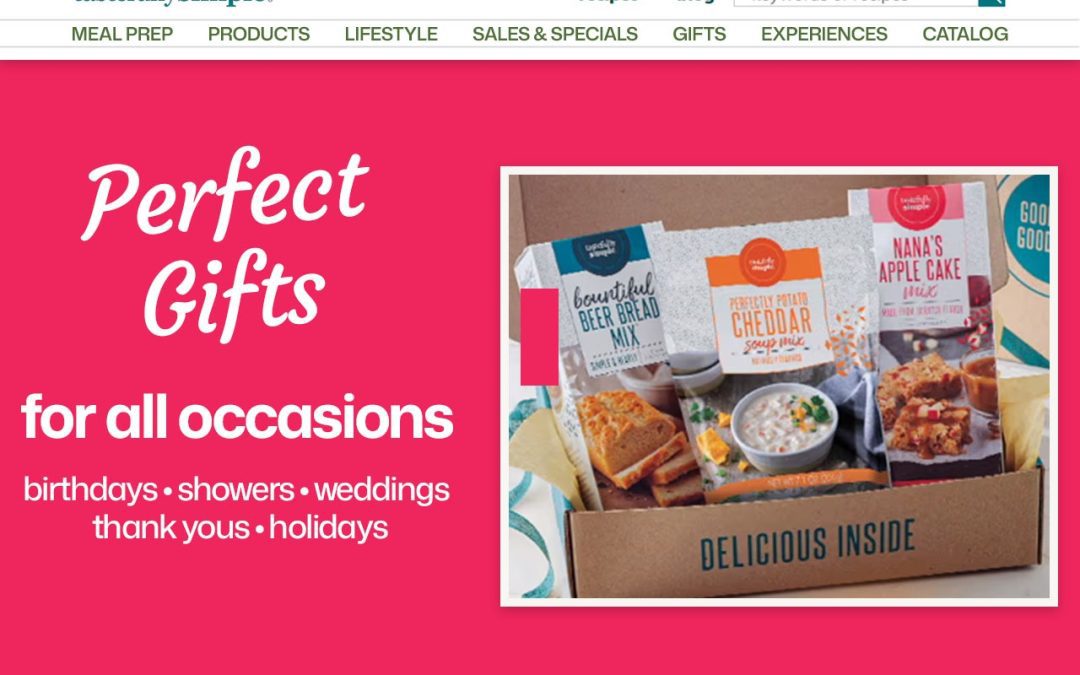
Getting dinner on the table after a long day isn’t easy when everyone’s juggling work, school, and a dozen other things at once. That’s exactly why easy meal ideas matter so much for busy households; they take the pressure off without making you feel like you’re cutting corners. A few simple recipes in your back pocket can turn a stressful evening into something a lot more manageable, and honestly, a bit more enjoyable too.
Sites like Tastefully Simple are a great place to find a starting point if you’re not sure where to begin, and it’s worth bookmarking for those weeks when inspiration is running low.
Why Simple Meals Work for Busy Families
There’s a reason easy meal ideas tend to win out on hectic weeknights; they just make life simpler. Less prep means you’re not standing at the counter chopping for half an hour before you even start cooking. Fewer ingredients mean fewer trips to the store and less to keep track of in the fridge. Cleanup is quicker too, which matters when you’re already tired and just want to sit down.
On top of all that, easy family meals tend to make meal planning way more consistent. When cooking doesn’t feel like a chore, you’re a lot more likely to actually stick with a routine instead of ordering takeout on the nights things get chaotic, which is really the whole appeal of easy family meals in the first place.
Easy Meal Ideas for Weeknights
When you need quick dinner ideas that won’t eat up your evening, a few go-to formats make all the difference, and once you’ve got a couple of quick dinner ideas on rotation, weeknights stop feeling like a scramble:
One-pan meals — everything cooks together, so there’s barely any cleanup.
Quick pasta dishes — ready in the time it takes the water to boil and the sauce to simmer.
Simple chicken recipes — versatile, quick, and easy to dress up with whatever seasonings you’ve got on hand.
Easy soups and casseroles — mostly hands-off once everything’s in the pot or the oven.
These kinds of weeknight meals are proof that you don’t need a complicated recipe to put something good on the table, and rotating through a handful of weeknight meals keeps dinner from feeling repetitive.
How to Make Home Cooking More Convenient
A few small habits go a long way toward making dinner feel less like a scramble:
Keep pantry staples on hand. So you’re never stuck without the basics.
Prep ingredients ahead of time, chop veggies or marinate proteins when you’ve got a spare few minutes.
Build a weekly meal plan, so you’re not deciding what’s for dinner at 5:30 every single day.
Lean on versatile seasonings and mixes to add flavor fast, without extra steps.Tastefully Simple has a solid range of these if you want to skip the guesswork.
Tips for Making Family Meals More Enjoyable
Cooking doesn’t have to be a solo job, and a few small touches can make dinnertime feel a lot less like a chore:
Get the kids involved: Something as simple as stirring or setting the table turns dinner into a shared moment instead of a task.
Mix up the flavors now and then: Even when you’re sticking to simple recipes, a new spice or sauce keeps things interesting.
Keep mealtime relaxed: No screens, no rushing — just a bit of breathing room makes the whole thing feel more worthwhile.
Browse for fresh ideas when you’re in a rut: Tastefully Simple is a good spot for new, easy cooking ideas, and swapping in a handful of easy cooking ideas every so often keeps dinner from feeling stale.
FAQs
What are easy meal ideas for busy families? One-pan meals, quick pasta dishes, soups, casseroles, and simple chicken recipes are great options.
How can I make family meals easier? Plan meals, keep pantry staples ready, and prep ingredients before busy weeknights.
What are good quick dinner ideas? Pasta, one-pan chicken, easy soups, casseroles, and simple rice dishes can make quick dinners.
How can I save time when cooking at home? Use simple recipes, prepare ingredients in advance, and keep versatile seasonings and staples available.
How can I make family mealtimes more enjoyable? Get family members involved in cooking, try different flavors, and keep mealtimes relaxed and screen-free.
Final thoughts
At the end of the day, easy meal ideas aren’t about lowering your standards — they’re about making home cooking realistic for a busy life. Keep your recipes simple, lean on a few reliable shortcuts likeTastefully Simple, and let easy meal ideas become a natural part of your routine instead of something you have to think too hard about.
Your phone isn’t just for texting, scrolling, and killing time anymore. If you’ve got a few spare minutes here and there, it can actually help you earn money online too. Between surveys, quick research tasks, and other bits and pieces, there’s no shortage of ways to build a little online side income, and you don’t need a laptop or any kind of complicated setup to get going.
A good place to start isPawns, which lays out a few of these options in one spot. The real trick is sticking to legit platforms, understanding how they actually pay you, and not expecting to get rich off them.
What Are Money-Making Apps?
Money-making apps are basically mobile platforms that pay you for doing certain things: surveys, research tasks, testing out apps, small microtasks, cashback deals, that sort of thing. What makes money-making apps appealing for a lot of people is that you can dip in and out whenever you’ve got a spare moment. No fixed hours, no schedule; you decide when to do a bit and how much time you’re willing to put in.
That said, not every app is worth your time, and the payout terms can vary a lot. Before jumping in, it’s worth doing a bit of homework; that’s really the whole point of learning to earn money online safely instead of just downloading the first app you find.
Ways to Earn Extra Money Online
Surveys and Research Activities
Plenty of platforms pay you just for sharing your opinion or taking part in research, think product feedback, shopping habits, general preferences, that kind of thing. What you actually earn depends a lot on the survey and the platform running it.
Share Unused Internet Bandwidth
Some apps let you share your unused internet bandwidth, where that’s allowed, in exchange for a bit of payment. If you’ve got a solid, reliable connection, this is worth looking into if you’re curious about passive income apps; Pawns is one place that offers this kind of setup.
Just double-check the platform’s terms and your provider’s policy first, so you know exactly how the bandwidth sharing actually works before you sign up.
Microtasks and Online Activities
Simple tasks- think small data entry jobs, app testing, or quick one-off assignments- are another option. These let you make money from your phone without needing anything fancy in the way of equipment.
How much you earn really depends on the platform, so stick with ones that are upfront about the tasks, what’s required, and how you actually get paid. Platforms like Pawns tend to spell all of this out clearly before you start.
Cashback and Reward Programs
Cashback and reward programs won’t make you rich, but they can save you a bit or hand back a small return on purchases you were already going to make. It’s a nice way to earn extra money here and there without any real extra effort.
How to Choose a Reliable Earning App
Check the payment setup first. Look at how it pays out and what the minimum withdrawal actually is, so there’s no nasty surprise down the line.
Read the privacy policy. Take a minute to see what data the app collects and what it’s doing with it.
Understand the earning requirements. Some money-making apps won’t let you withdraw until you hit a certain balance, while others have their own eligibility rules.
Look into the reviews and reputation. A trustworthy service, likePawns, should be upfront about how it works and how payments are handled; a bit of digging here makes your attempt to earn money online a lot smoother.
Tips for Making the Most of Side-Income Apps
Keep your expectations realistic. These apps aren’t a shortcut to serious money; think of them as a way to top up what you’re already earning.
Try a few legitimate options at once to make money from your phone, as long as you’re reading the terms and keeping your personal info locked down.
Weigh time against reward. Some tasks just aren’t worth the hassle once you factor in how long they take.
Track what you earn and how long it takes. Over time, that’ll show you which passive income apps and tasks are genuinely worth your while; stick with it, stay picky, and your phone can turn into a decent little source of online side income.
FAQs
How can I earn extra money online from my phone? You can earn through surveys, microtasks, cashback programs, app testing, and bandwidth-sharing platforms.
Are money-making apps legitimate? Some are legitimate, but always check reviews, payment terms, privacy policies, and withdrawal requirements before signing up.
Can I make money from my phone without investment? Yes, many apps offer surveys, microtasks, and rewards without requiring an upfront payment.
How much can I earn from money-making apps? Earnings vary by platform, task availability, location, and the amount of time you spend.
What should I check before using an earning app? Check its reputation, privacy policy, payment methods, minimum withdrawal limit, and earning requirements.
Final words
There’s a real range of ways to earn money online with just your phone: surveys, microtasks, bandwidth sharing, cashback- you name it. The smart move is sticking with reputable platforms likePawns, keeping your data protected, and staying realistic about what these apps can actually do for you. Done right, these little side hustles can help you earn extra money in your spare time and add a bit extra to your regular income, no complicated setup required.
Where your team works matters more than most business owners realize. Get it right, and people actually get things done, visitors walk away with a good impression, and the day-to-day just runs more easily. Get it wrong, and you feel it every week. Fewer companies these days are signing themselves into a long lease and hoping for the best — more are picking setups that can bend as they grow. At the end of the day, it’s about matching the space to your team, your budget, and where you’re actually trying to go.
What Is Flexible Office Space?
Flexible office space is pretty much what it says on the tin — a real, professional place to work, minus the long-term lease hanging over your head. Depending on the provider, you can choose the size, how long you’re locked in for, and which extras are actually worth paying for.Explore Regus office space options.
The big win over a traditional lease is how easy it is to scale up or down when your team changes or the way people work shifts. There’s also a lot less setup hassle — you’re not building a workplace from nothing. For a company that’s growing, that’s often one less thing to worry about.
Types of Office Space to Consider
Private Offices
Need quiet? Handling client calls or sensitive work? A private office is worth a look. You get your own space, no shared walls with strangers, which counts for a lot when the conversations you’re having need to stay behind closed doors.Explore private office solutions.
Coworking Spaces
Coworking flips that around — you’re sharing a roof with people from other businesses entirely. It suits freelancers, small startups, remote workers, anyone who doesn’t mind a bit of background buzz and likes running into new faces during the day.Discover flexible workspace solutions.ns
Serviced Offices and Meeting Rooms
A serviced office is more or less move-in ready, support included — good if you’d rather not set everything up yourself. And if all you need is somewhere for an interview, a pitch, or a client meeting, just booking a meeting room does the job without signing up for a whole office.
Then there’s the virtual office option — a proper business address and a handful of services, no actual desk involved. That works well if your team is mostly remote, but you still want to look like you’ve got a real base.
How to Choose the Right Office Space
Here are some things you can keep in mind while choosing the right office space
Think about your team’s size and how they actually like to work.
Pick something that fits now, with room to grow into later.
Check the location — getting there, parking, what’s around it.
Make sure it’s easy for clients and your own people to reach.
Tally the real cost: utilities, furniture, internet, upkeep, the lot.
Go flexible on the contract if your needs might change.
Write down what you actually need day to day — solid wifi, meeting rooms, desks that don’t wreck your back.
Pick a space that makes work easier, not harder.
Benefits of Flexible Office Space
Here are some benefits of flexible office space :
Skip the high upfront costs by moving into something ready-made.
Cut down on maintenance and admin busywork.
Give employees, clients, and visitors a space that looks the part.
Help people actually focus and get on with things.
Scale up or down as the business changes.
Avoid getting stuck in a lease that’s stopped making sense.
Cross paths with people from other industries.
Stumble onto opportunities you weren’t looking for.
Build genuine relationships just from sharing a space.
Looking for something that can grow with you?Regus office space solutions cover a range of team sizes, working styles, and business needs.
FAQs
What is flexible office space? Flexible office space offers ready-to-use workspaces with flexible terms, sizes, and services.
How do I choose the right office space? Consider your team size, budget, location, workspace needs, and future growth plans.
What types of office spaces are available? Common options include private offices, coworking spaces, serviced offices, meeting rooms, and virtual offices.
What are the benefits of flexible office space? It reduces setup costs, simplifies maintenance, and lets businesses scale their workspace as needed.
What should I check before renting an office? Check the total cost, location, internet, facilities, contract terms, accessibility, and available workspace amenities.
Final Thoughts
Choosing an office isn’t really about finding four walls and a desk. It’s about a space that backs your people, feels like your business, and can flex as things change. Weigh up the type of space, where it is, what it costs, how flexible it is, and what’s actually included, and you’ll land on something that lets your team do good work and grow at a pace that makes sense.