
by pankaj | Apr 5, 2024 | canada, International Destinations, Latest Post
Canada has diverse landscapes, such as mountains, stalactites, rivers, and many more, and countless opportunities for families to have fun. Here’s a glimpse into 10 incredible destinations where you can create lasting memories:
- Niagara Falls, Ontario
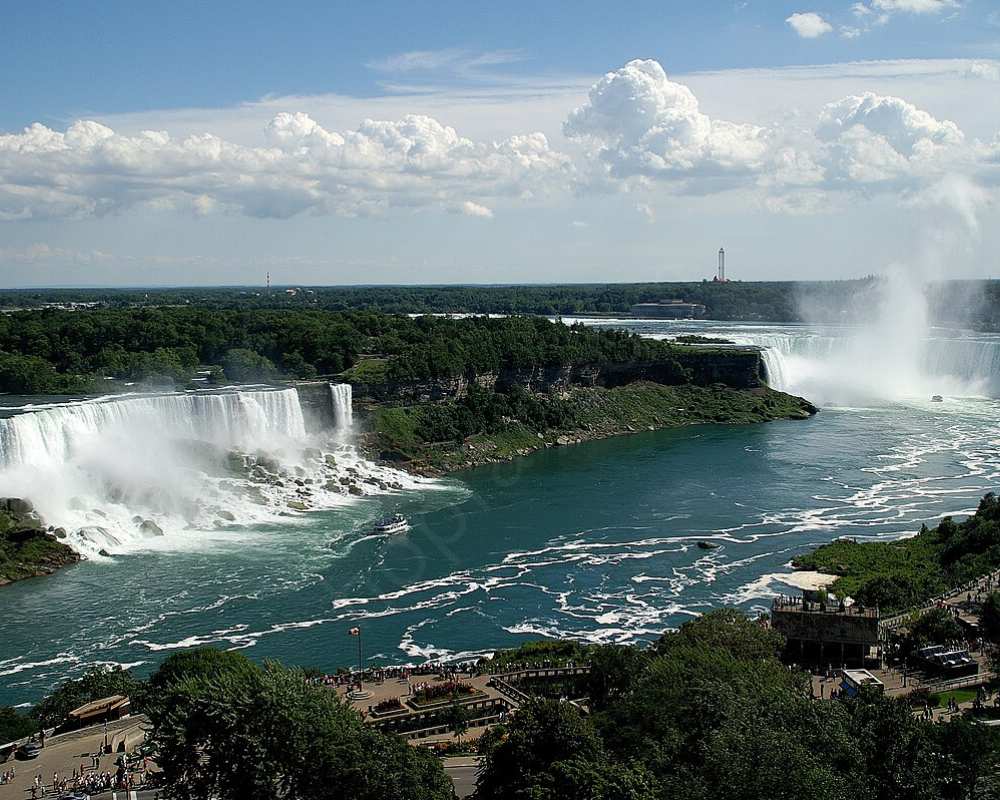
Experience the colossal force of Niagara Falls, an organic marvel perfectly crafted by glaciers over the course of 12,000 plus years. Get on a “Hornblower” boat tour that will take you right up to the falls, or visit the historic Fort George, a British military fortress from the War of 1812, that is preserved. If you are looking for some floral beauty add a visit to Niagara Parks Botanical Gardens that has over 40 hectares of themed gardens, from the spectacular rose garden to soothing Japanese garden.
- Vancouver, British Columbia
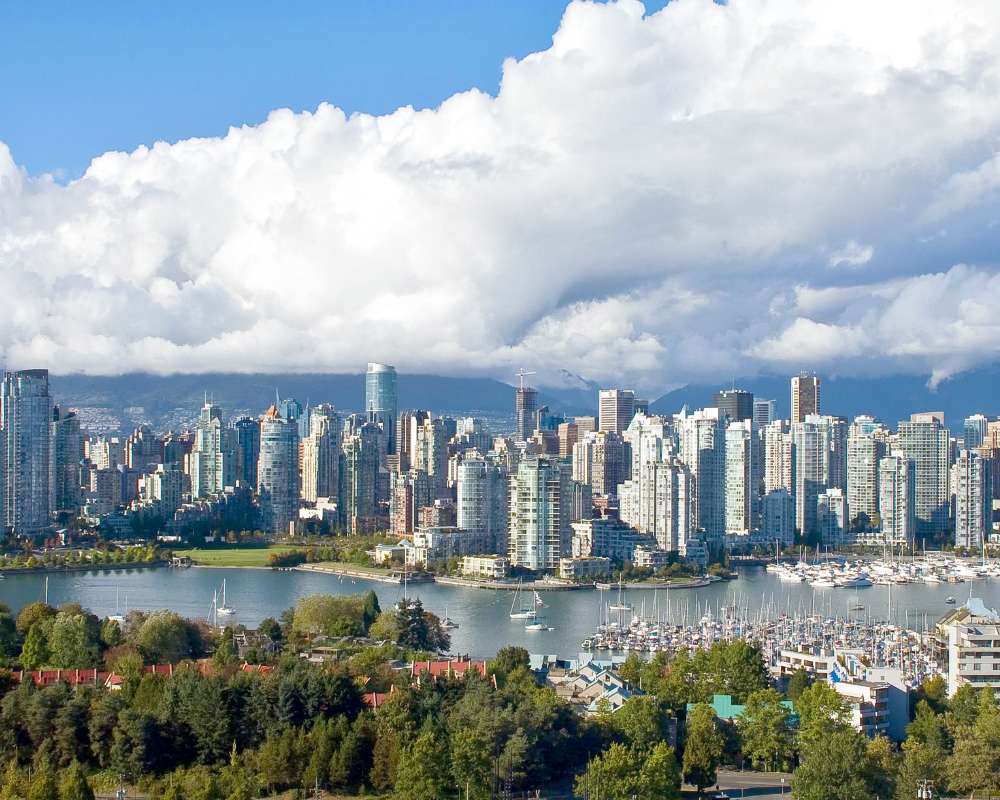
The story of Vancouver began with Coast Salish natives who lived off the land and the sea for thousands of years. Today, this is a bustling city, bordered with mountains and ocean. Discover Stanley Park of 1000 acres, which used to be the indigenous people hunting ground and now provides exciting adventures and have totem poles depicting Coast Salish history in addition to Vancouver Aquarium that is teeming with marine life from the Pacific Ocean. If you are looking for a unique shopping and foodie experience, the Granville Island is the destination which was once an industrial hub and now a vibrant marketplace bursting with fresh seafood, local crafts, and delightful treats.
- Banff National Park, Alberta
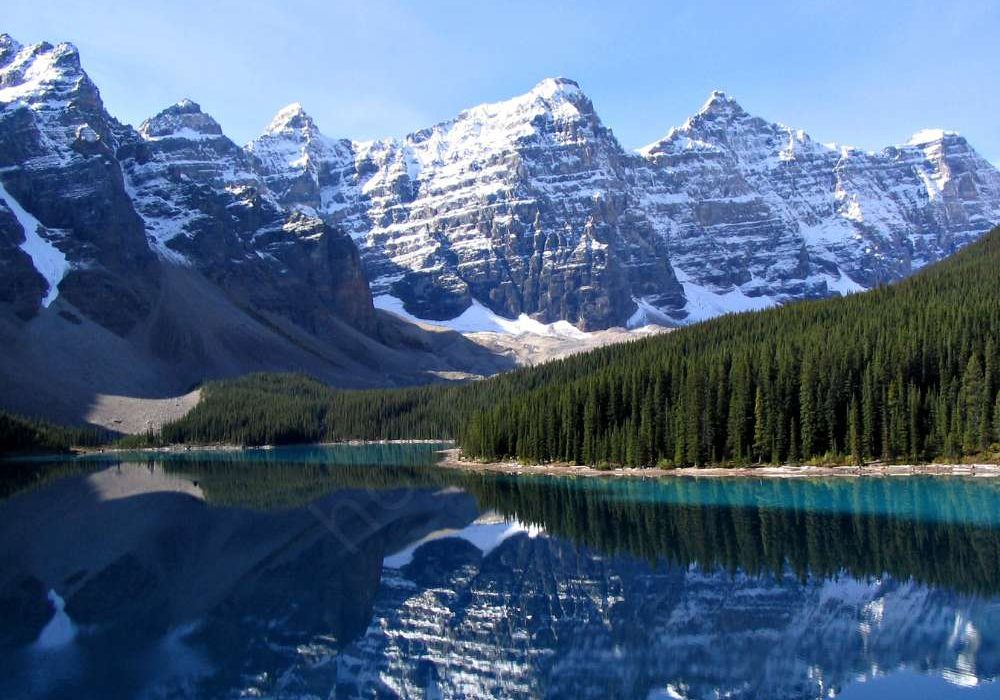
Step into the world of Canadian Rockies, formed 570 million years ago, that awaits. Canada’s first national park, the Banff National Park, that has existed since 1885, is home to a variety of outdoor activities ranging from hiking to climbing. Go hiking or biking along the beautiful trails, where you can observe elk, moose, or even bears. Take an exhilarating ride up Sulphur Mountain by cablecar for panoramic views that will leave you speechless. In the winter, world-class skiing and snowboarding could be experienced at Banff Lake Louise Ski Resort.
- Whistler, British Columbia
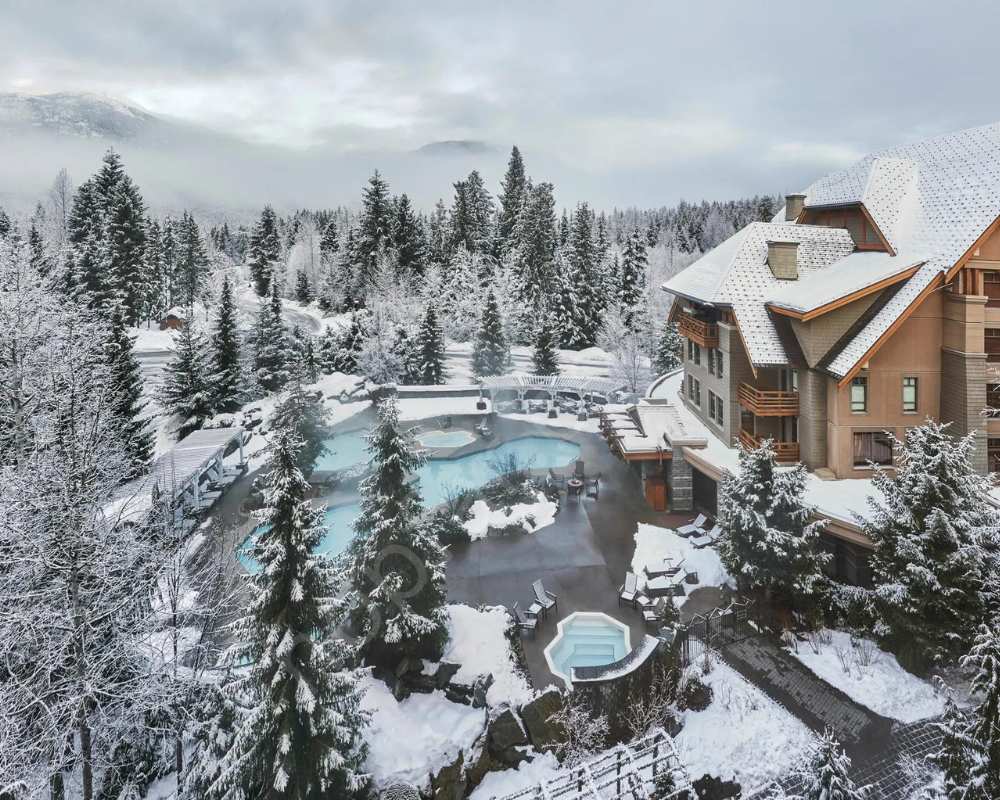
Whistler was a small village of railway workers in the beginning and developments began only after it hosted the 1968 Winter Olympics. Nowadays, Whistler Blackcomb is the choice of the skiers and snowboarders of all levels, as it’s equipped with groomed runs, challenging terrain parks, and backcountry adventures. Enjoy summer on bike by exploring the mountains on a network of exciting downhill trails, or hike through green trails, filled with wildflowers. To have a layer of history, visit the Squamish Lil’wat Cultural Centre, and learn about the First Nations People who stayed on this land for millennium.
- Quebec City, Quebec
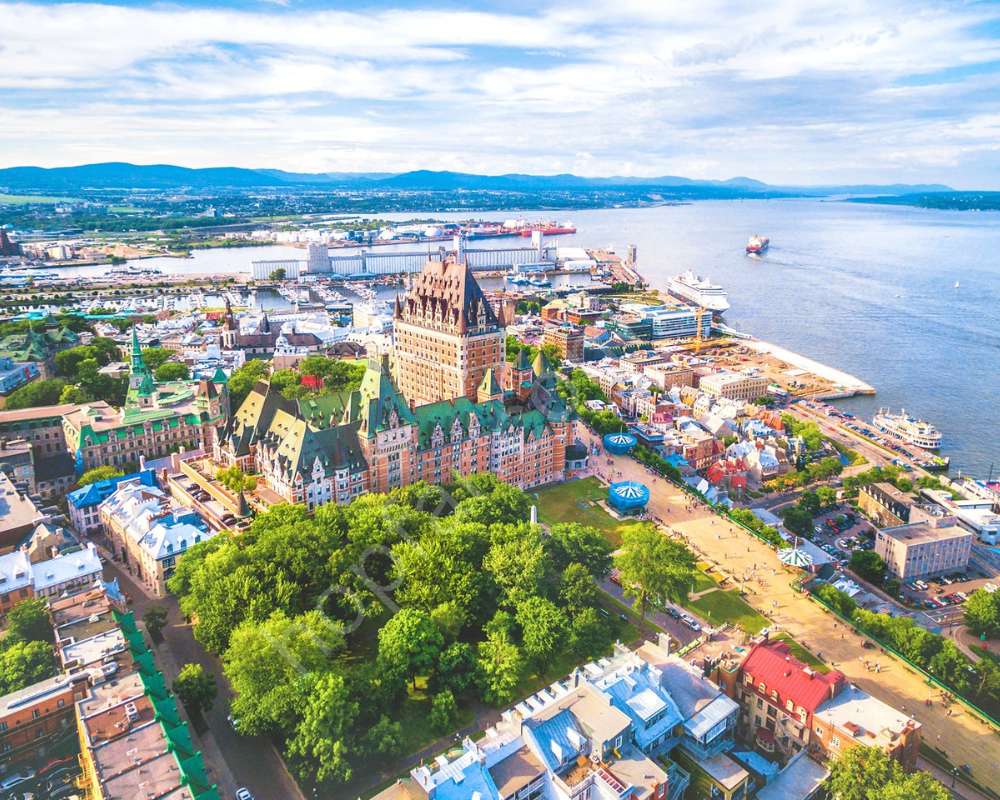
Immerse yourself in the vibrant French-Canadian atmosphere of Quebec City, which was founded in 1608 as a fur trading post by French explorer Samuel de Champlain. Discover the historic walled city, a UNESCO World Heritage site, and be enchanted by Fairmont Le Château Frontenac, a hotel that looks like a fairytale castle which proudly sits on the top of a cliff. No trip is complete without trying these local favorites; these include poutine (a dish made of fries, gravy, and cheese curds) and sugar pies (Quebec’s traditional dessert).
- Kelowna, British Columbia
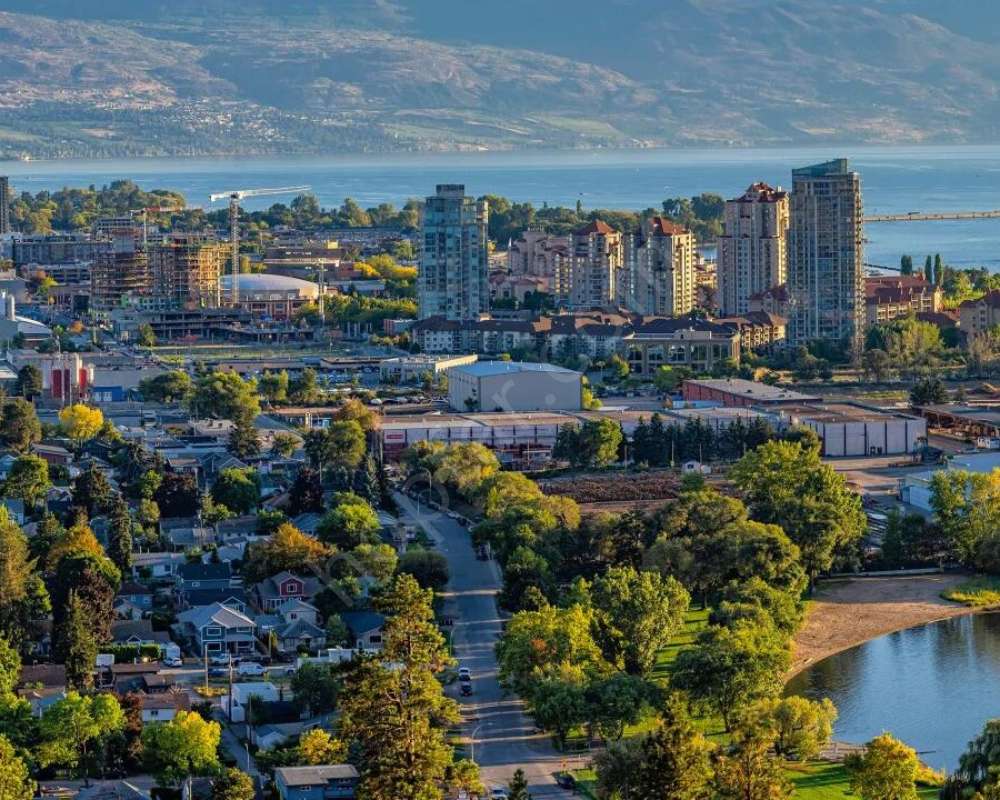
Sun-kissed Kelowna, built into Okanagan Valley, has long history of native dwellings, which could be seen more than 10,000 years ago. Currently, it’s a popular resort centre which is famous for its Okanagan Lake. Immerse your days by swimming, boating, or stand-up paddleboarding on the crystal-clear waters. Discover the many wineries located in the valley, some with tours and wine tastings of their award-winning wines. If you visit in winter, there exist ski resorts like Big White and SilverStar near by that offer great skiing and snowboarding options.
- Victoria & Vancouver Island, British Columbia
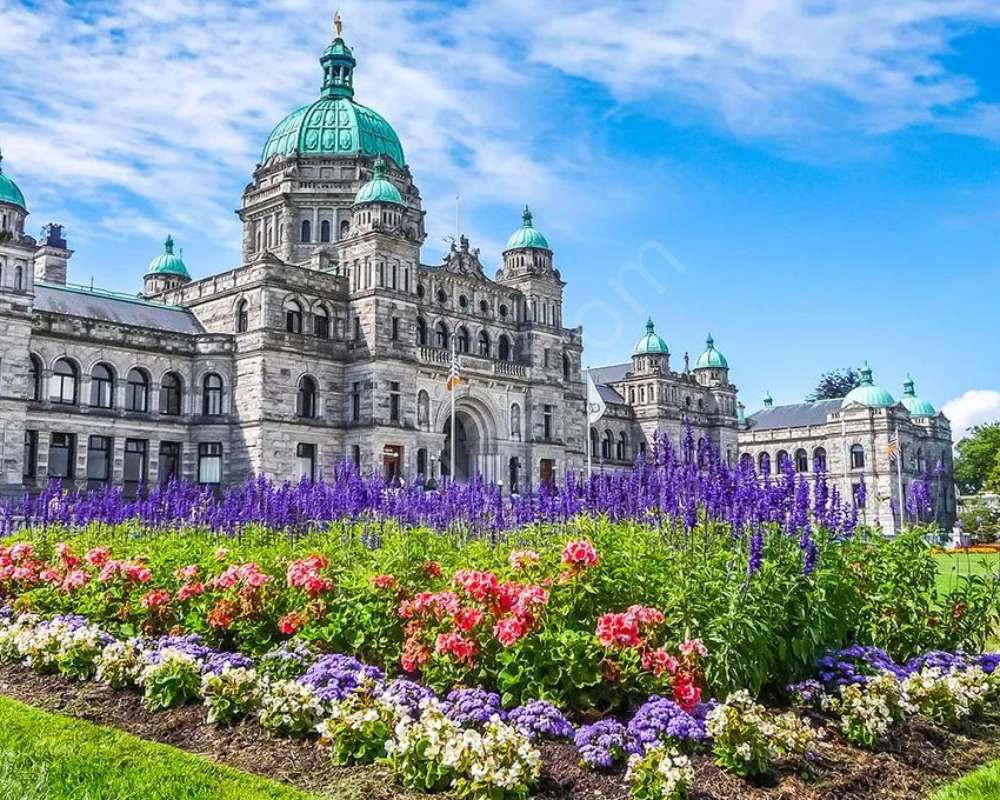
Discover the charm of Victoria, the capital city of British Columbia, founded by the British in the mid-1800s. Try out the eye-catching Butchart Gardens with magnificent flower varieties on 55 acres. The story of Butchart Gardens presents a former limestone quarry, transformed by a horticulturist, Mrs. Jennie Butchart, during the early 1900s. The west coast of Vancouver Island, with its different landscapes ranging from rainforests to sandy beaches, is full of discovering chances. Paddle through the protected yet wildlife filled waters of the Broken Group Islands or take a rainforest hike at the Pacific Rim National Park Reserve where you can spot the enchanting old trees and wildlife along the coast.
- Ottawa, Ontario
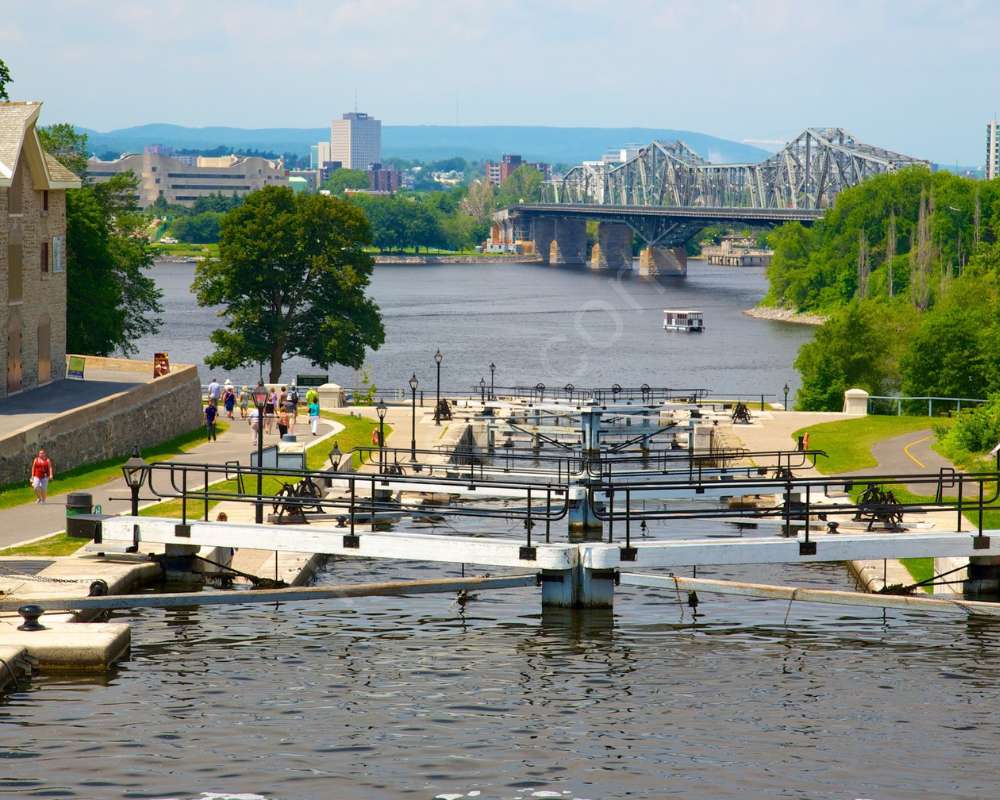
Ottawa, the capital city of Canada, has a long history that starts from the early 1800s when it was decided to make it the center of the governmental system. Discover about Canadian history at the Parliament Hill where the Canadian Parliament is located. Behold the ceremony of the guard changing, a showcase of military skills and convention. Get to know the natural world at the Canadian Museum of Nature or skate on the Rideau Canal converted into the longest skating rink in the world in winter making the city into a winter paradise.
- Toronto, Ontario

The history of Toronto started with the First People of the Mississaugas of the Credit Nation. A french furtrading post in the 1700s and then a multicultural city. Take a ride on the iconic CN Tower to get spectacular 360-degree views from the top of downtown and further than the horizon. Witness a performance at Royal Alexandra Theatre, the renowned theatre house, or learn about the history of hockey, the Canadian national sport, at Hockey Hall of Fame. Discover diverse communities where every corner reveals cultural wonders and palatable dining spots.
- National Parks
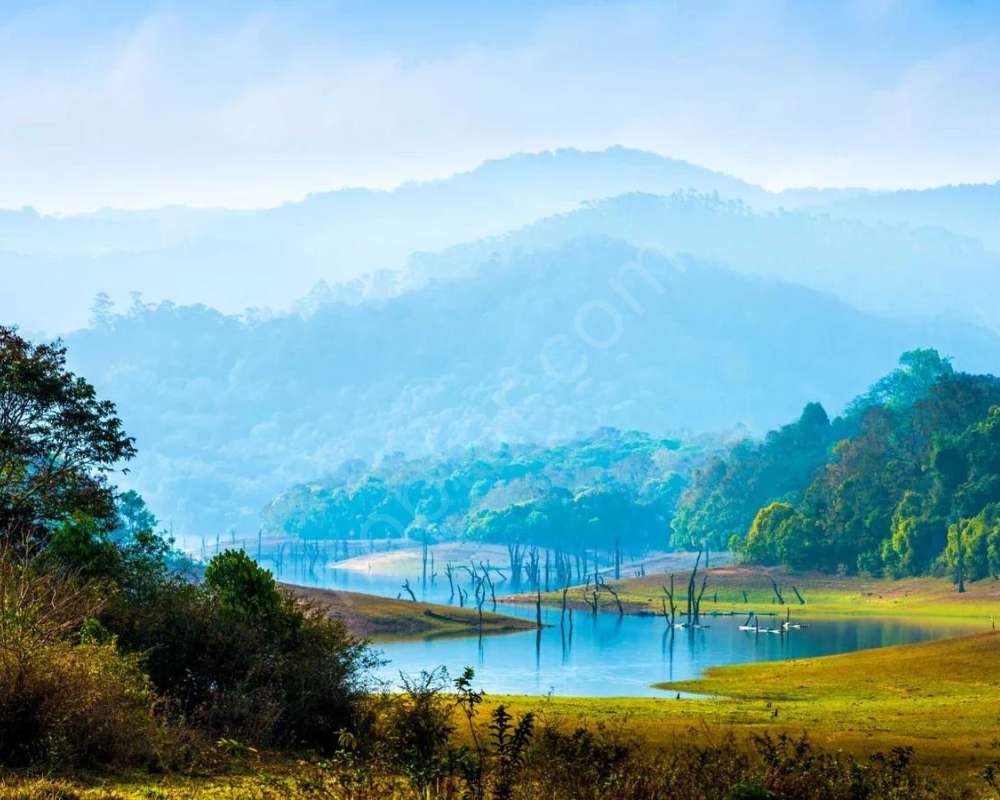
With a wide array of national parks in Canada, each one has its own unique features and breathtaking activities. Talk a stroll through the glaciers and turquoise lakes of Jasper National Park in Alberta. Kayak in the mesmerizing deep-sea of Gros Morne National Park of Newfoundland, which is known as a UNESCO World Heritage site because of the awesome fjords and rocks. Take a canoe down the Algonquin Provincial Park in Ontario, discovering moose and loons on the beautiful, untouched landscapes. These national parks have multitudes of occasions not only for creating everlasting family recollections but also for deepening bonding with nature and discovering the stunning beauty of Canada.
This sneak peek into 10 impressive Canadian destination sites is just an idea for your adventure. With its warm spirit, various adventures and cultural diversity, Canada vows to be an unforgettable family vacation that will stay in your forever memory. Therefore, start your planning for this trip and be prepared to see the magic in Canada.
by pankaj | Apr 4, 2024 | Beaches, Blog, Latest Post
The massive oceans of this world are home to the most astonishing creatures. Species habitats, and marine ecosystems are facing challenges from habitat loss, pollution, and climate change. Here are 10 endangered marine species in urgent need of our help:
- Vaquita
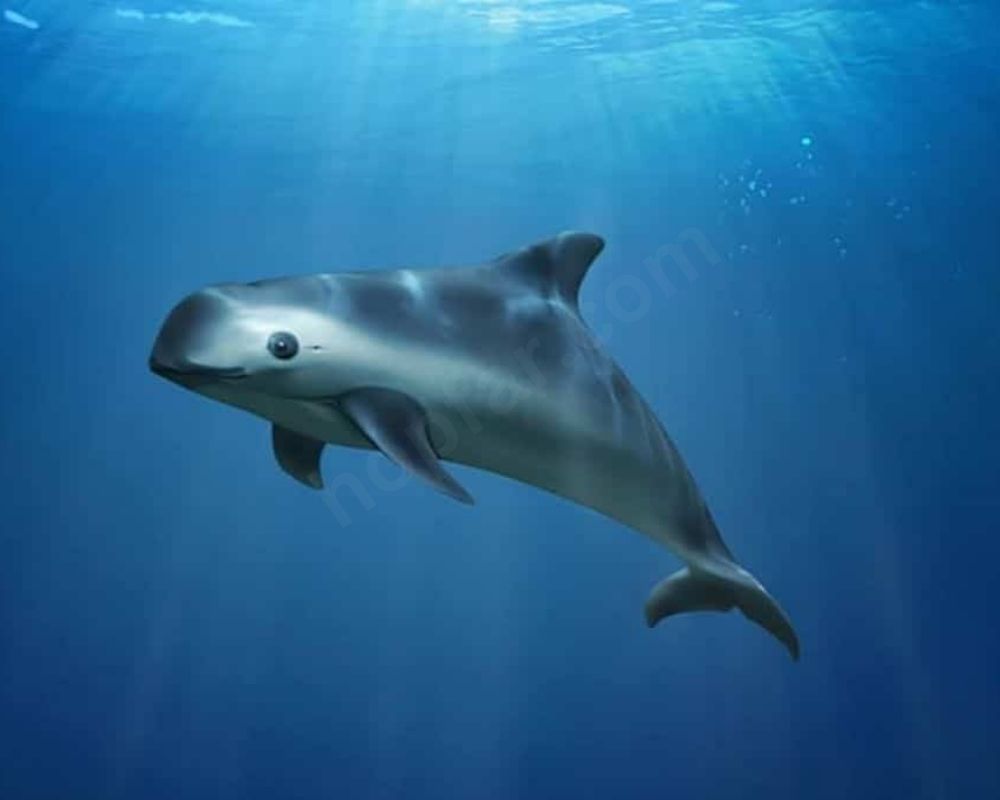
Being the world’s most endangered marine mammal, the vaquita is a small porpoise unique to the Gulf of California, Mexico. Their populations have dropped because of entanglement in nets illegally indicating for totoaba, a critically endangered swim bladder that is prized in China. Approximately ten vaquitas are said to be remaining, making them the animals on the verge of extinction.
- North Atlantic Right Whale
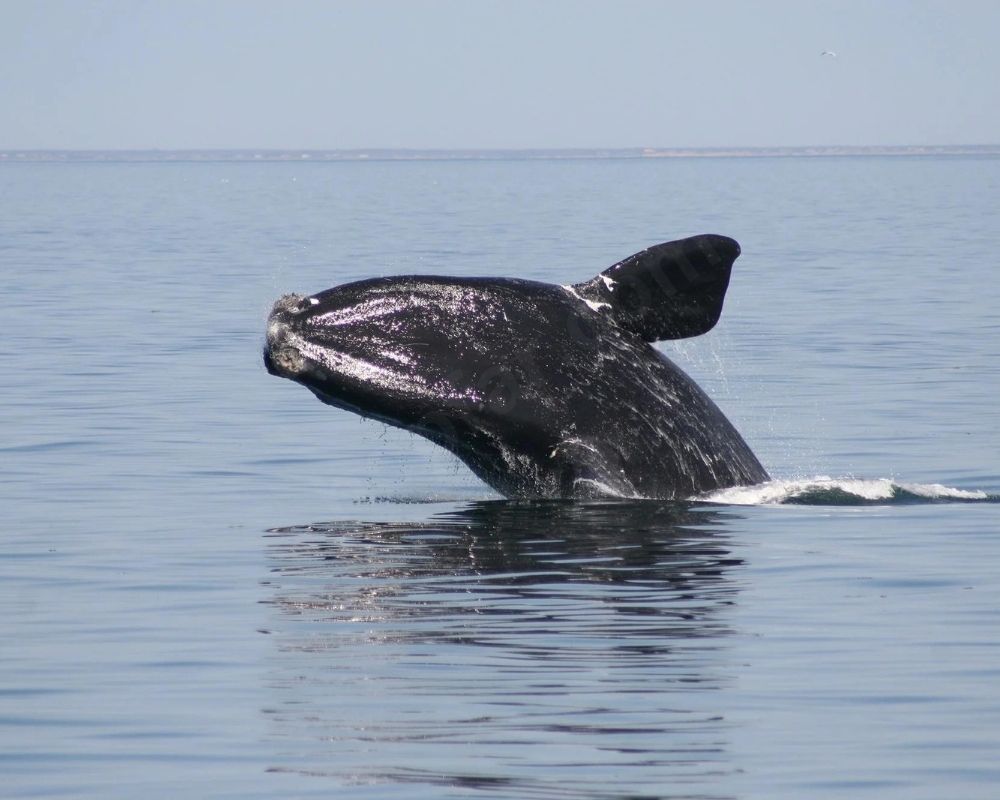
The lovely and huge animals were used to be very common in the North Atlantic, but hunting for their baleen and shipping accidents have made them critically endangered. Efforts are taking place to minimize entanglement threats by inventing whale-friendly fishing gears and laying down binding shipping laws. Unfortunately, with only less than 350 individuals of the species left, even a single ship strike or the entangling of it can be very devastating to this population.
- Yangtze Finless Porpoise
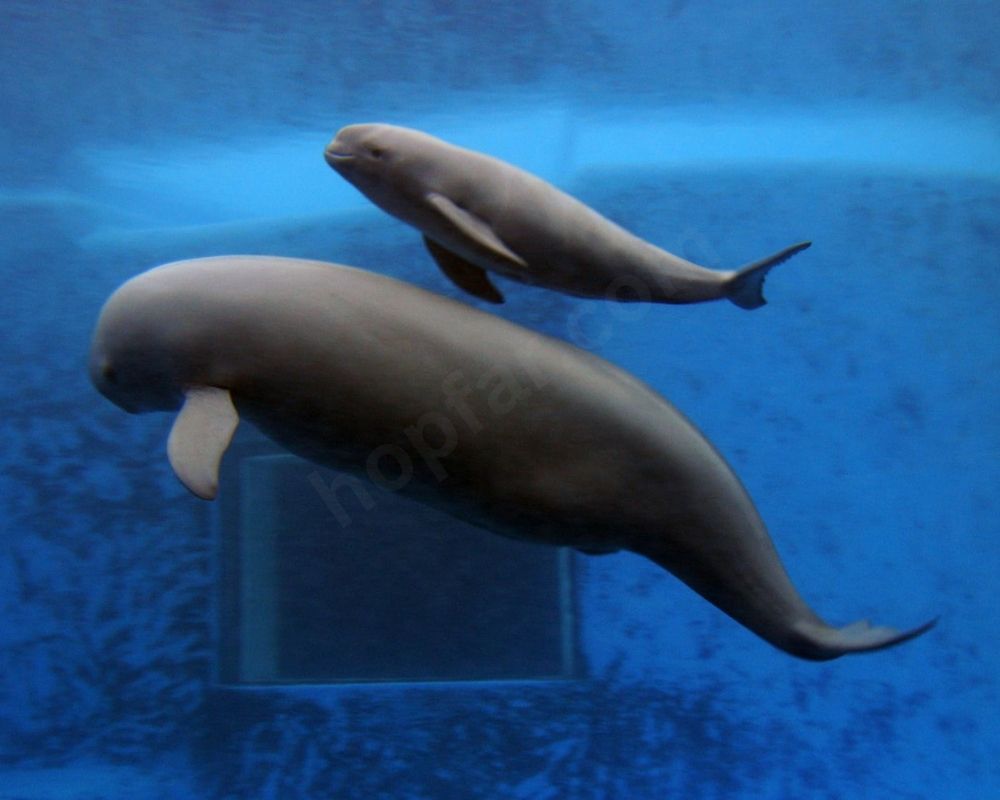
This rare, freshwater cousin of the dolphin could perhaps be functionally extinct, with only a few specimens possibly still alive and struggling to survive in this vast river. Disruption of their habitats through the Yangtze River dam system and extensive fishing filter to the edge of extinction. Unfortunately, the Yangtze finless porpoise can be an example of severe damage that human actions can bring to sensitive ecosystems.
- Hawaiian Monk Seal
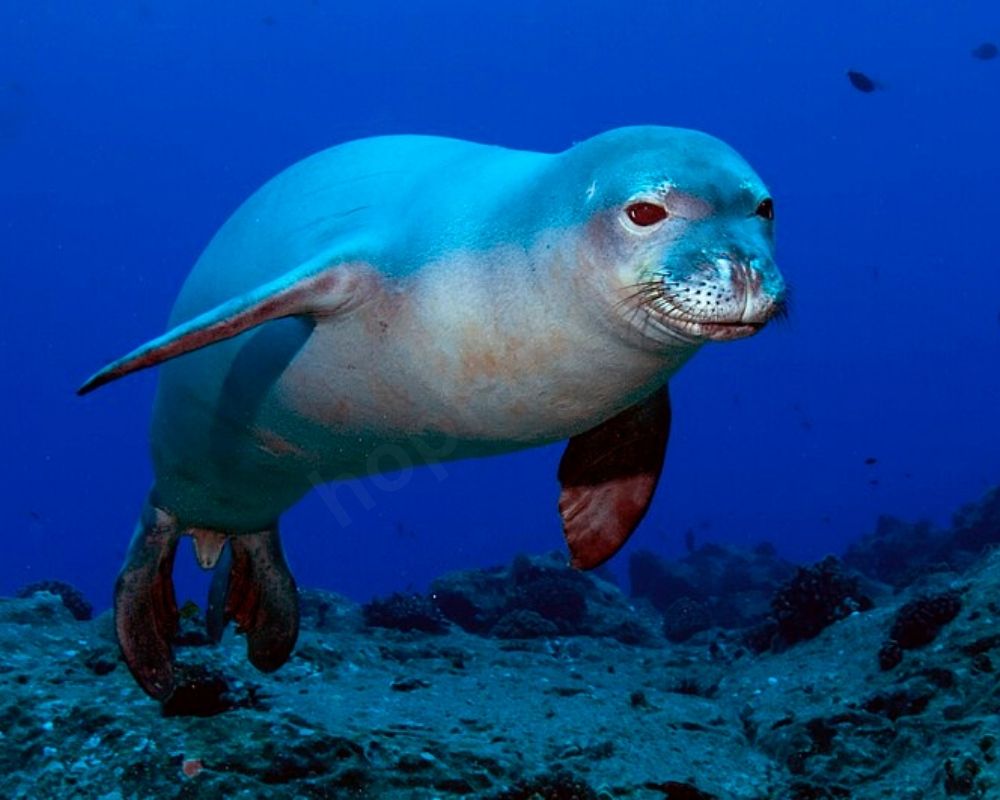
The Hawaiian Islands were the home of vast populations of monk seals. Today, there are hardly 1,500 of them are left, they were plagued by threats such as coastal development which results in habitat loss, as well as disease outbreak caused by marine mammals and sharks as predators. Conservation efforts focus on the preservation of pupping beaches, the surveillance of populations for disease breakouts, and the mitigation of predators.
- Sea Turtles
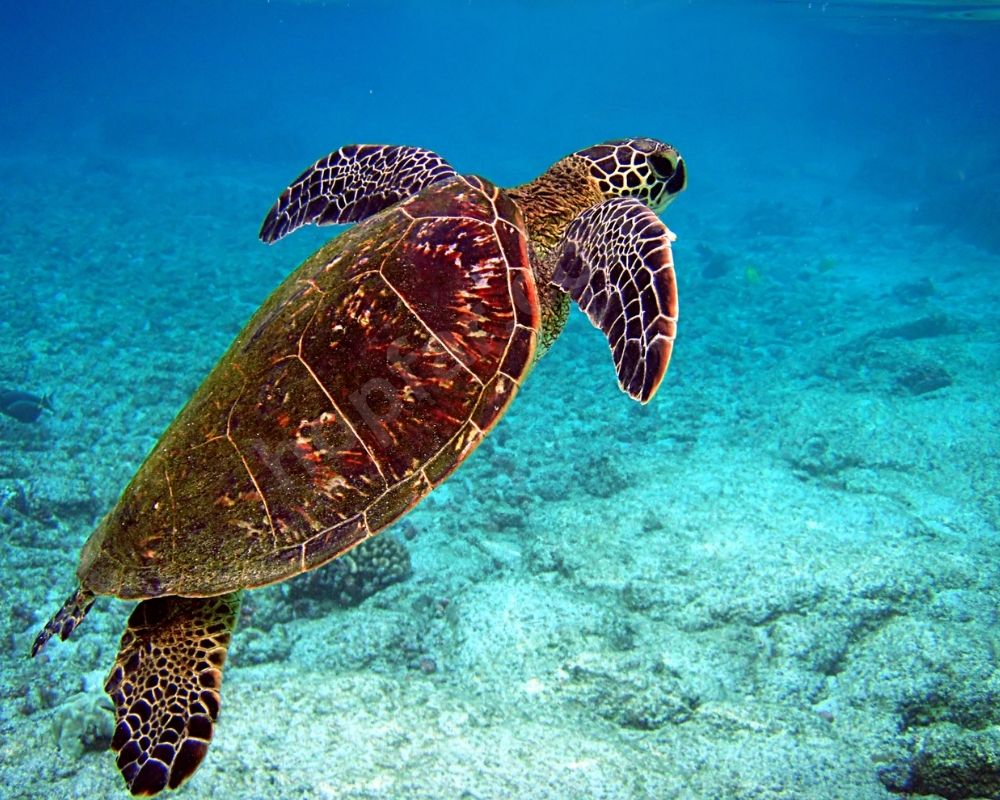
Hawksbill, Kemp’s Ridley, Leatherback, Loggerhead, and Green sea turtles are all in danger because of a number of threats. Poaching for their meat, eggs and shells, habitat loss because of coastal development and beach erosion, and getting entangled in fishing nets (bycatch) are among the major reasons for their decline. Conservation efforts include safeguarding nesting beaches, raising awareness among fishermen on safe methods for releasing entangled turtles and encouraging responsible behavior in tourism.
- Giant Manta Ray
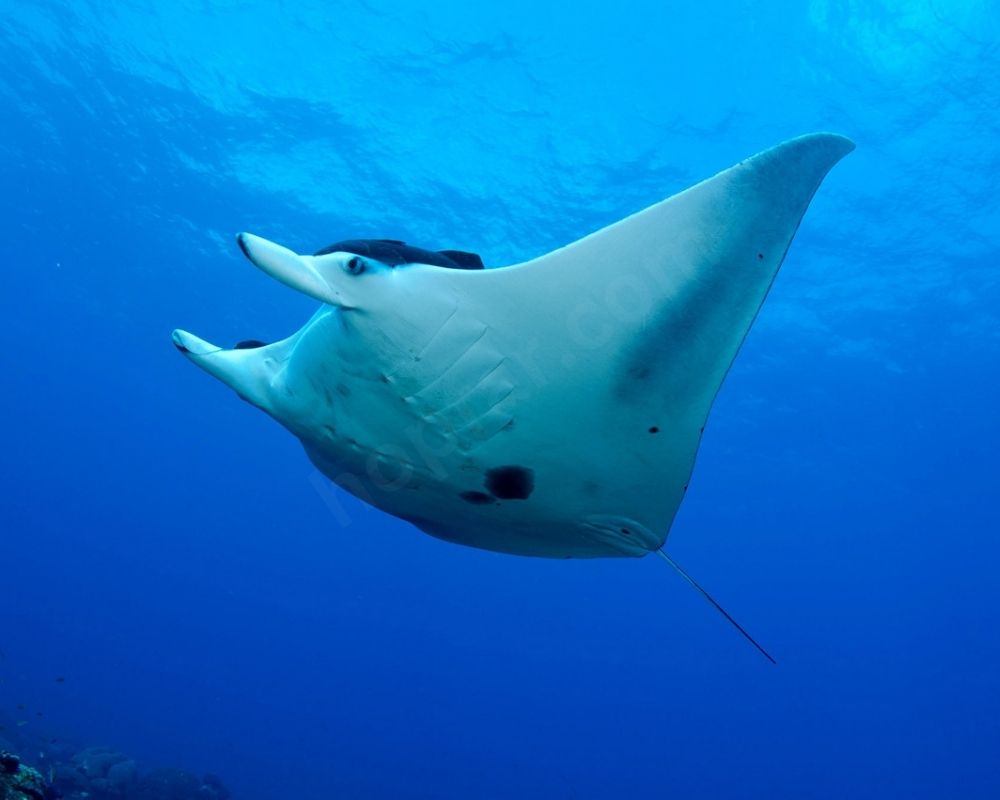
These docile cetaceans are very important to the integrity of the coral reefs by filtering plankton and stirring up all the nutrients. Overfishing for their gill plates in traditional medicine has driven them towards the verge of being overfished. Manta ray populations additionally suffer from deforestation and boat collisions.
- Whale Shark
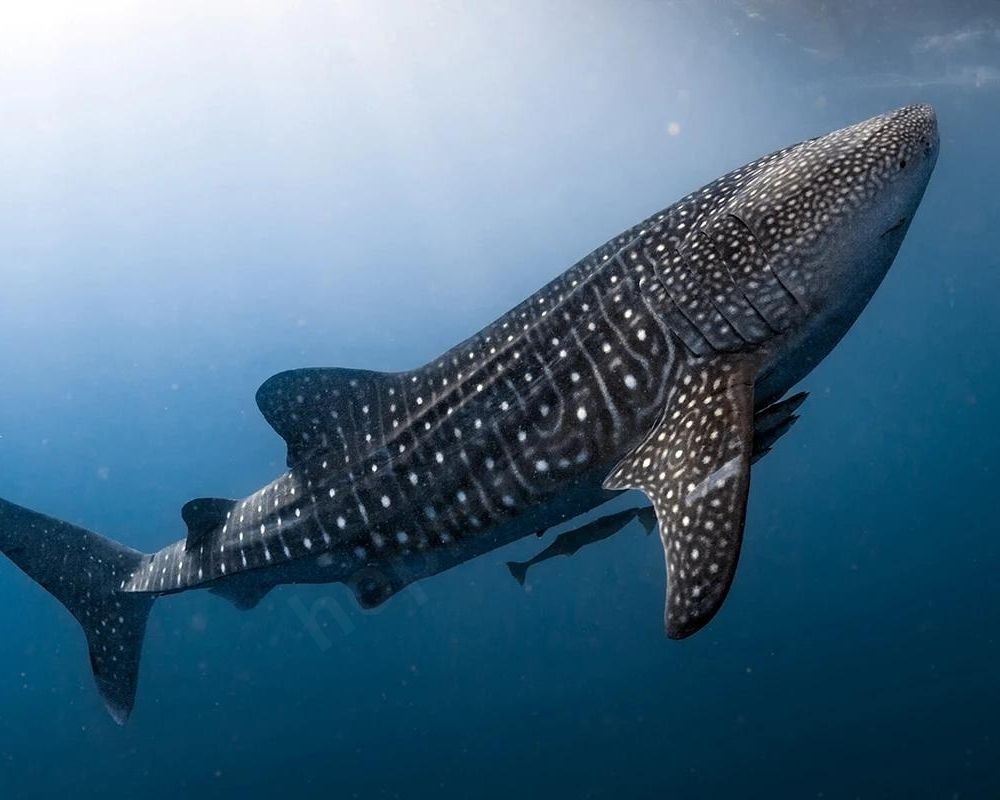
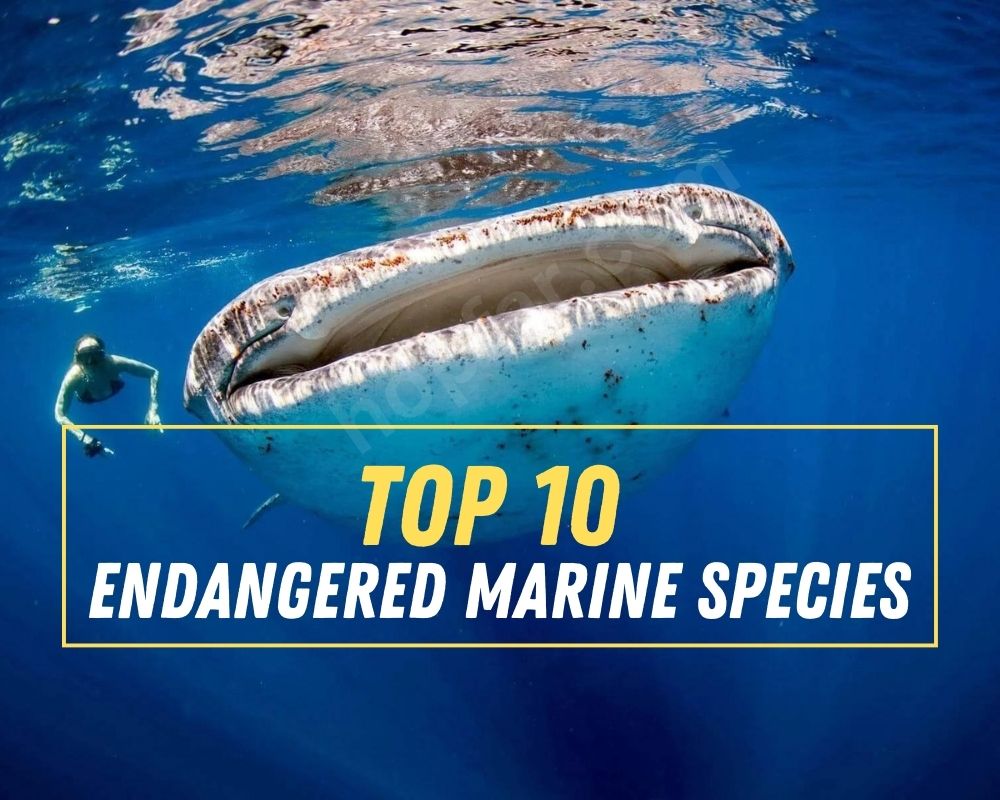
Whale sharks, the largest fish in the world, are filter feeders that perform the role of removing plankton from the oceans, and contribute to the circulation of nutrients. Plastics in the marine environment, bycatch, and finning used in China for fins soup threaten their survival. Marine protected areas and sustainable fishing techniques are indispensable for whale shark conservation.
- Northern Fur Seal
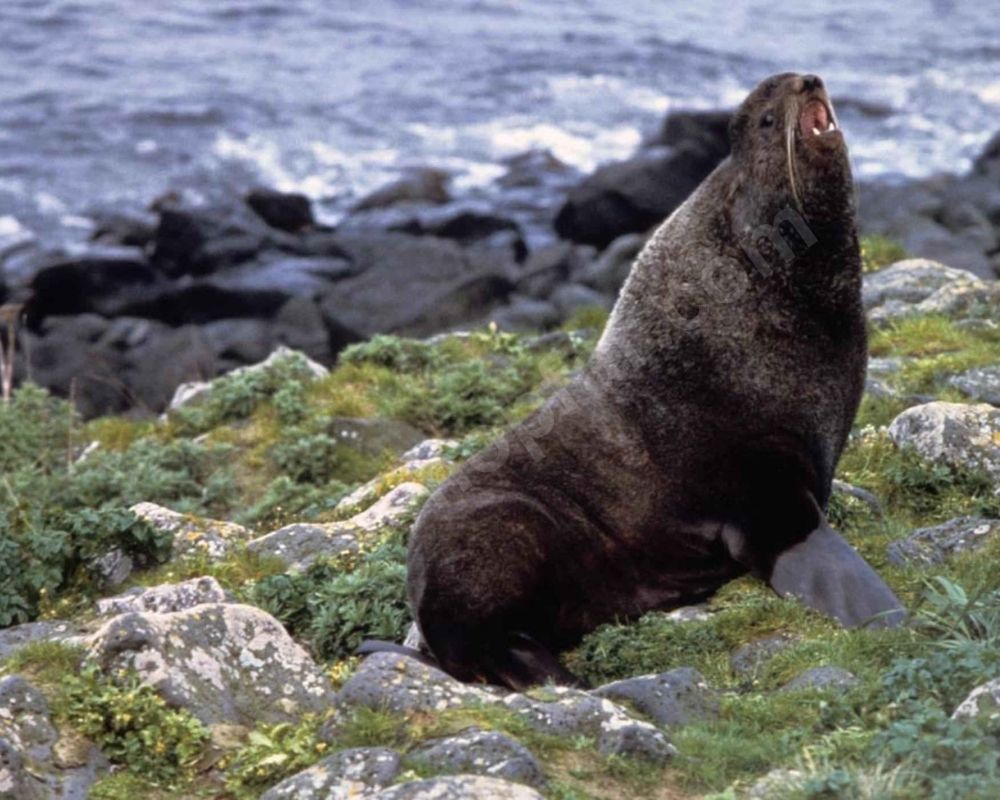
Whereas northern fur seals were nearly extinct because of hunting for their fur in the 18th and 19th centuries, it is good that their populations have come back slowly due to international hunting bans. Despite climate change and the disruption of prey availability as well as competition for food from overfishing are still threats to the population of the fish. Understanding the impacts of climate change on their prey and imposing stricter fishing quotas are key steps towards successful restoration of the species.
- Hector’s Dolphin
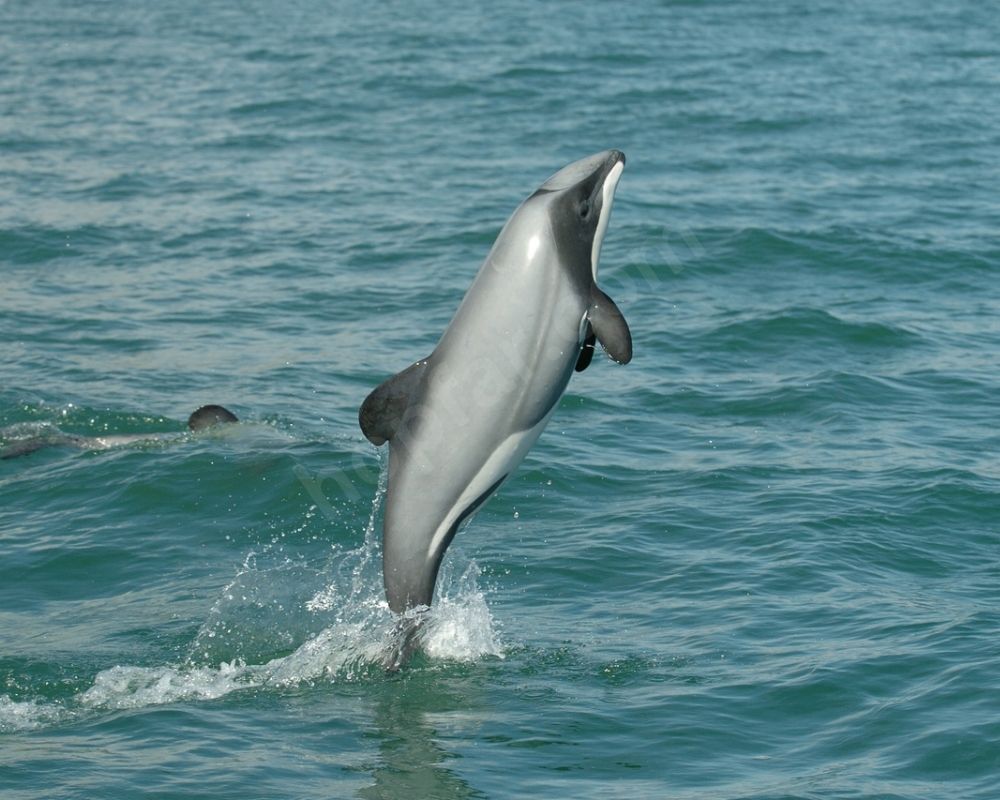
This playful and local dolphin species is only found in New Zealand. The major threats to bottom-dwelling fish like gillnets and habitat degradation due to coastal development and pollution are habitat destruction and gillnets. Preservation of these species is vital and should involve adopting stricter regulations for gillnets and also encouraging sustainable coastal development.
- Galapagos Penguin
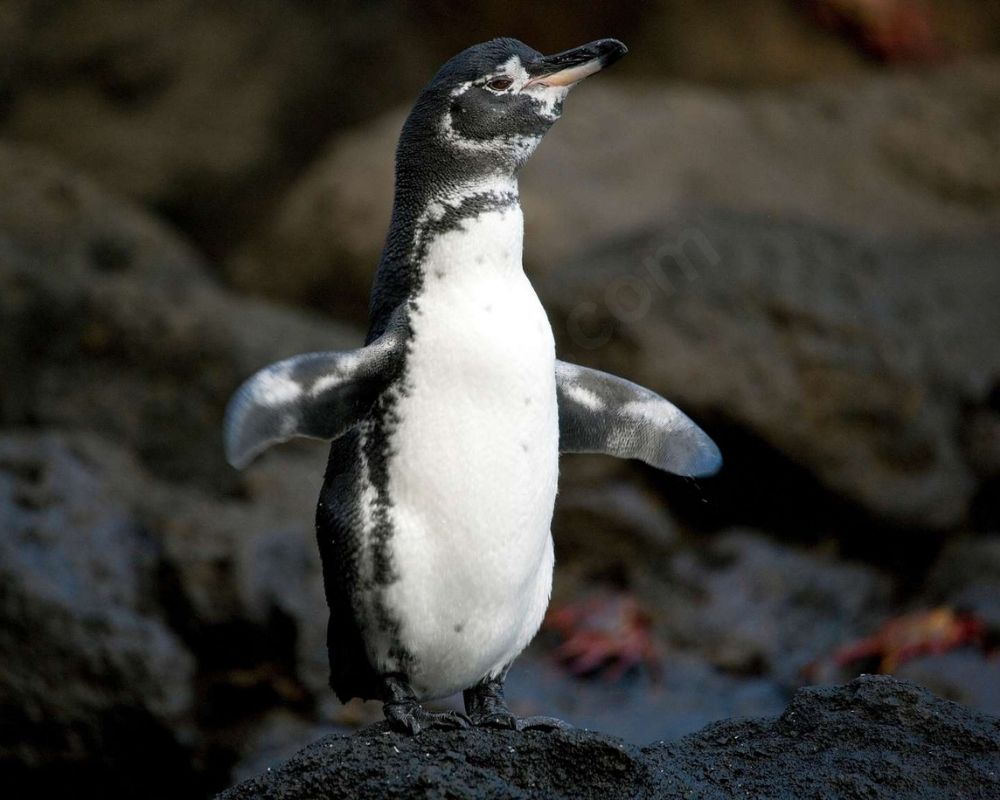
The Galapagos penguin is the only penguin species found north of the equator. Unlike other penguin species, the Galapagos penguin has shorter feathers and a slimmer body to counter the heat that comes from its warmer environment. Climatic conditions changing the pattern of ocean currents and food availability, and competition for food from invading species such as rats threaten these spectacular birds. The protection of the sea areas, the removal of the invasive species, and the monitoring of the consequences of the climate changing are the main aspects of their conservation.
This article shows a few marine species in danger of extinction. Through raising awareness about endangered marine species, providing support to conservation organizations via donations and volunteering, and choosing sustainable seafood, we can make a real difference and guarantee the survival of the most amazing animals that inhabit our ocean. Together, we can make sure that these living gems will remain to bless our seas for years to come.

by pankaj | Apr 4, 2024 | Blog, international, Latest Post
Mankind’s love for ascending in height stems from the distant past. From the rich spires of old-world cathedrals to the supermodern architectural structures of today, skyscrapers symbolize aspirations, innovation, and progress. We are going to climb up the elevator shaft and discover the top 11 tallest buildings in the world with interesting construction backgrounds.
- Burj Khalifa, Dubai (828 meters)
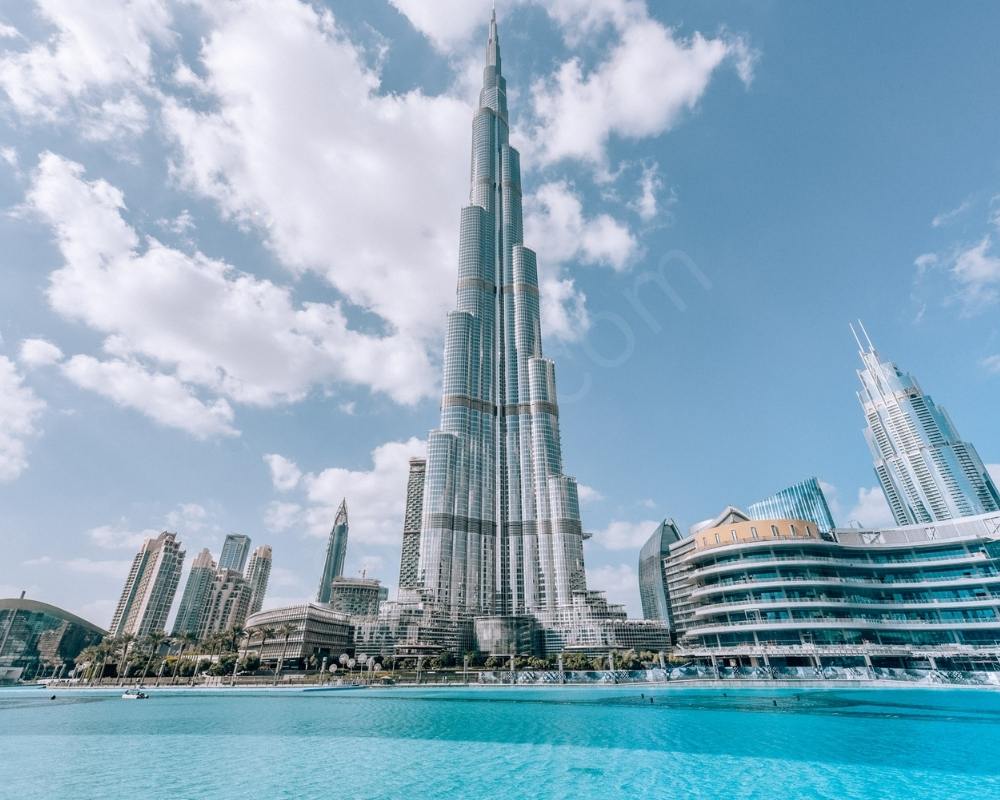
The absolute boss of the buildings is the Burj Khalifa, revealed in 2010. This architectural wonder in Dubai boasts an amazing 163 floors and holds various records, including the tallest building, single floor structure, and highest outdoor observation deck. The construction started in 2004, and the concrete core was raised at the average rate of one floor per three days. The project employed more than 33,000 workers and used enough concrete to build 20 Empire State Buildings!
- Merdeka 118, Kuala Lumpur (678.9 meters)
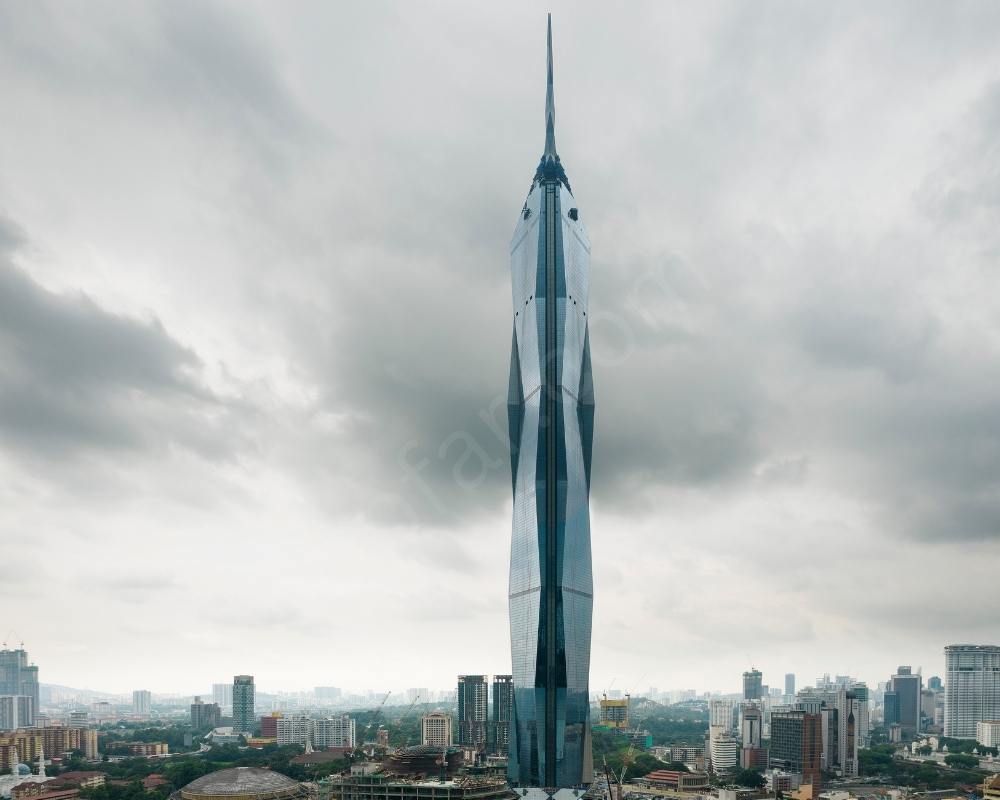
The newly finished Merdeka 118 in Kuala Lumpur (2022) is now the world’s second tallest building. The construction commenced in 2014 with the incorporation of such sustainable features as rainwater harvesting and double-skin facade in order to decrease energy consumption. The design, which imitates Islamic motifs including geometric patterns, is a tribute to the country’s roots.
- Shanghai Tower, Shanghai (632 meters)
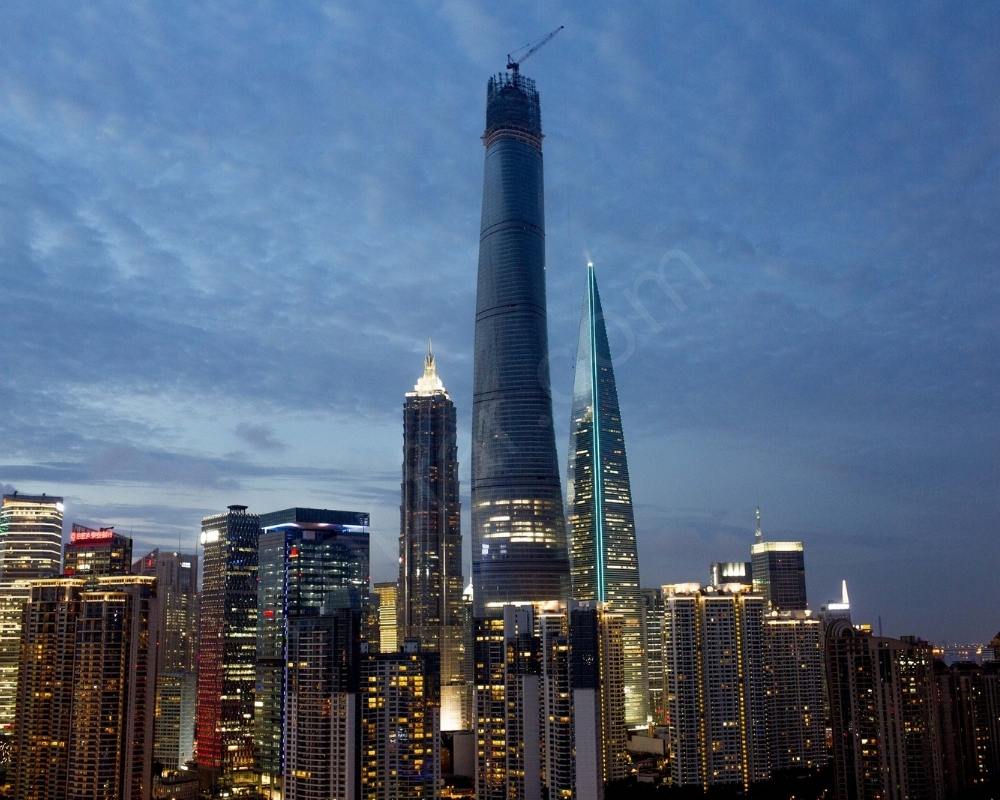
This twisted skyscraper (completed in 2015) in the Shanghai skyline is a perfect masterpiece of modern engineering. The clever, slanting construction means less wind resistance and more sights. Construction used new techniques of building a prefabricated wall of steel and concrete for faster erecting.
- Abraj Al-Bait Clock Tower, Mecca (601 meters)
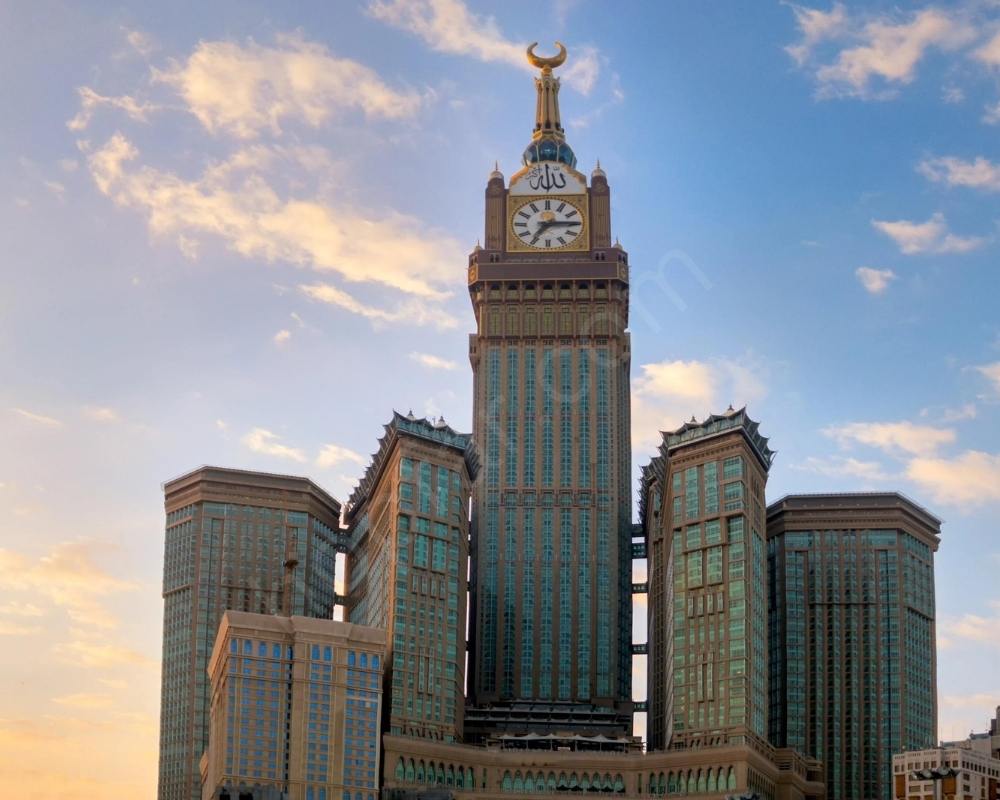
Standing next to the sacred place of Islam’s Kaaba, the Abraj Al-Bait Clock Tower (completed in 2012) is simply a glorious mix of religious meaning into modern architecture. The complex involves the world’s biggest clock face and a five-star hotel. According to the construction regulations, the holy site and its surroundings were respectfully built with many details and thoroughgoing commitment.
- Ping An Finance Centre, Shenzhen (599.1 meters)
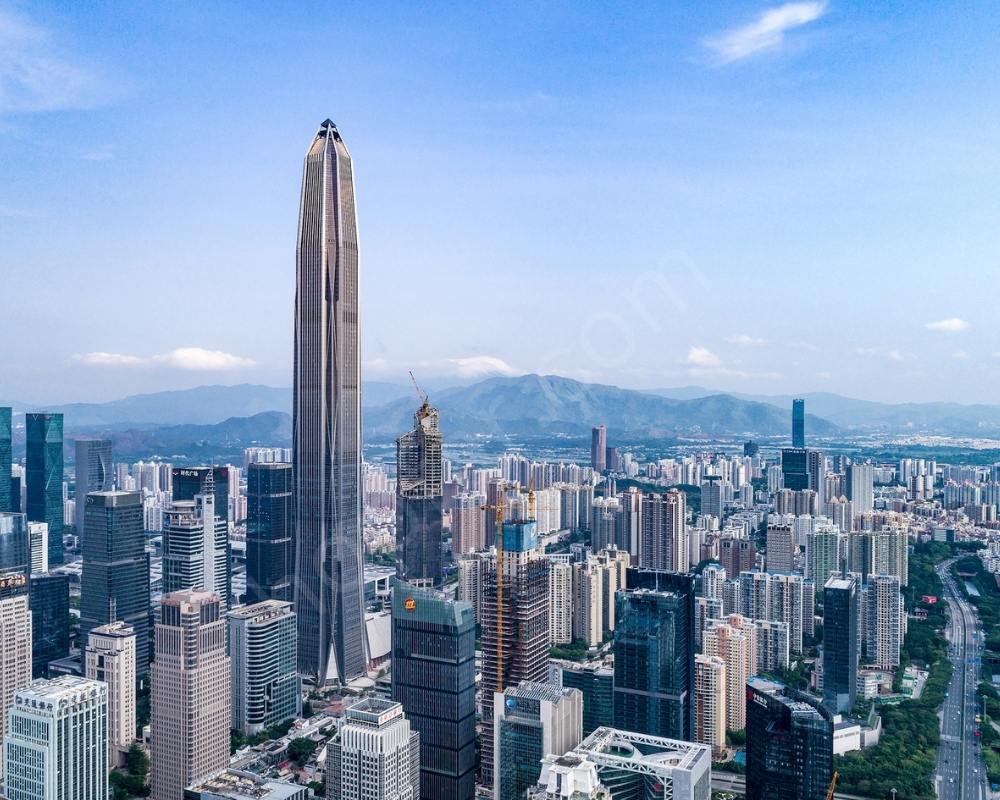
The Ping An Finance Centre in Shenzhen was completed in 2017 and it is a good example of this country’s booming architectural industry. The facade displays a sophisticated grid of diagonal trusses, making the design both visually stunning and functionally strong. Construction involved the use of high-strength concrete and modular steel components that helped it to attain its immense height.
- Lotte World Tower, Seoul (555.7 meters)
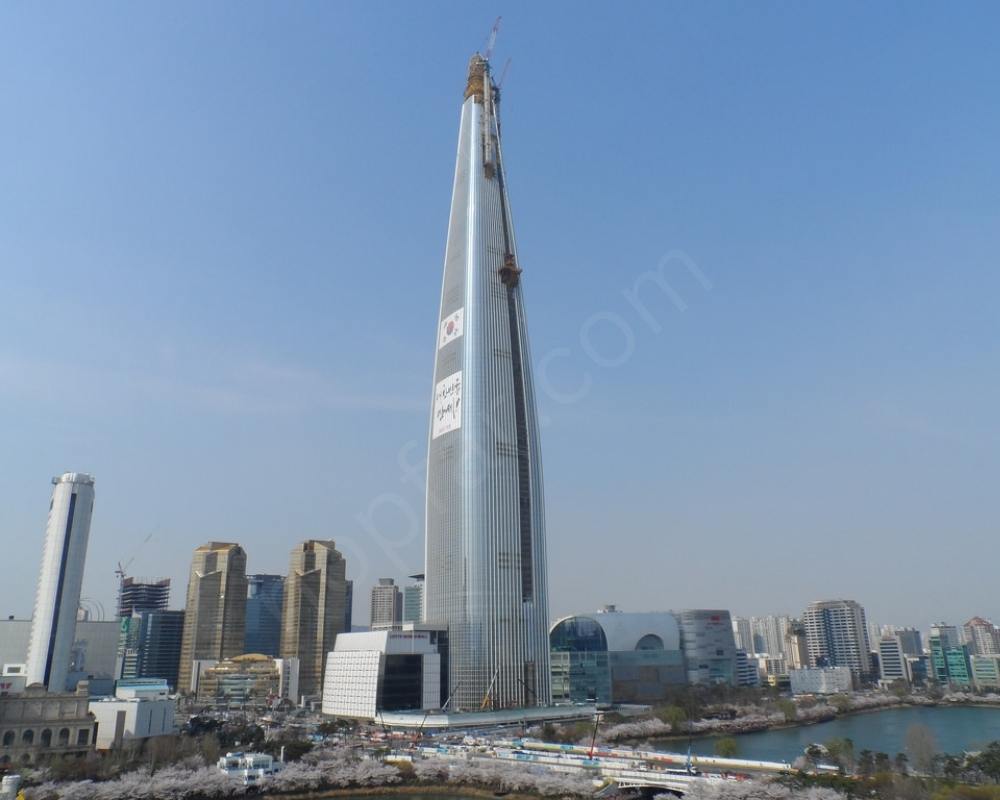
The Lotte World Tower, which is South Korea’s tallest building (completed in 2017), is a multifunctional complex that comprises offices, hotels, condominiums, and an aquarium. The design puts safety first, using a tuned mass damper to get rid of the wind energy and stop the excessive swaying. The construction process entailed careful planning to ensure the tower would not lean due to a soft soil foundation.
- One World Trade Center, New York City (541.3 meters)

Standing bravely on the site of the former World Trade Center towers that were destroyed in 2001, One World Trade Center (completed in 2014) is a symbol of resilience and hope. The design not only repeats the elements of the old towers but also looks into the future. The construction team had to develop numerous engineering solutions in order to refurbish on a fragile ground which was also significant historically.
- Guangzhou CTF Finance Centre, Guangzhou (530 meters)
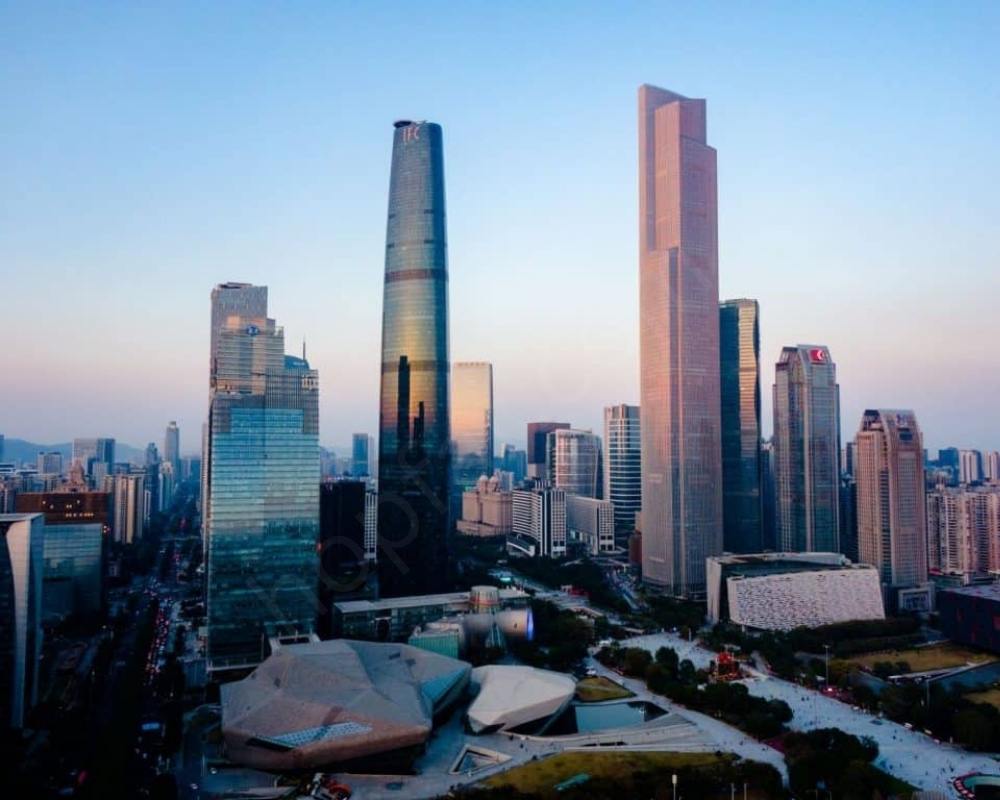
The Guangzhou CTF Finance Centre, one of the masterpieces of Chinese architecture, was completed in 2010. This three-lobed building was inspired by the nearby Pearl River Delta. The construction process evolved by using the latest type of building information modeling (BIM) software to guarantee the seamless cooperation among different construction groups.
- Tianjin CTF Finance Centre, Tianjin (530 meters)

The Tianjin CTF Finance Centre like Guangzhou CTF Finance Centre has a three-lobed design but a different crown is the only difference between these two (completed in 2019). Building the second station provided an opportunity to apply the knowledge gained from the first, which led to a quicker completion.
- China Zun, Beijing (528 meters)
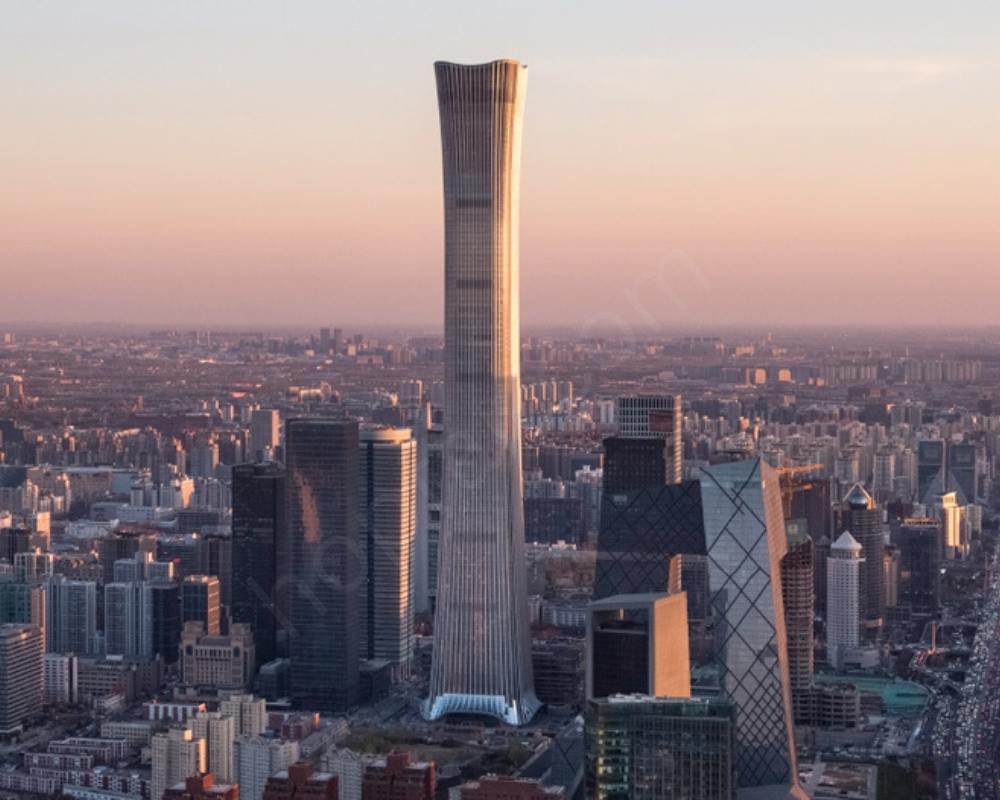
This building, which has been nicknamed “The China Zun” for its similarity to a Chinese imperial crown ornament, blends traditional Chinese features with the latest in skyscraper design (completed in 2018). The construction process entailed a complex steel diagrid structure that served as both a design element and as a structural support.
- Taipei 101, Taipei (509.2 meters)
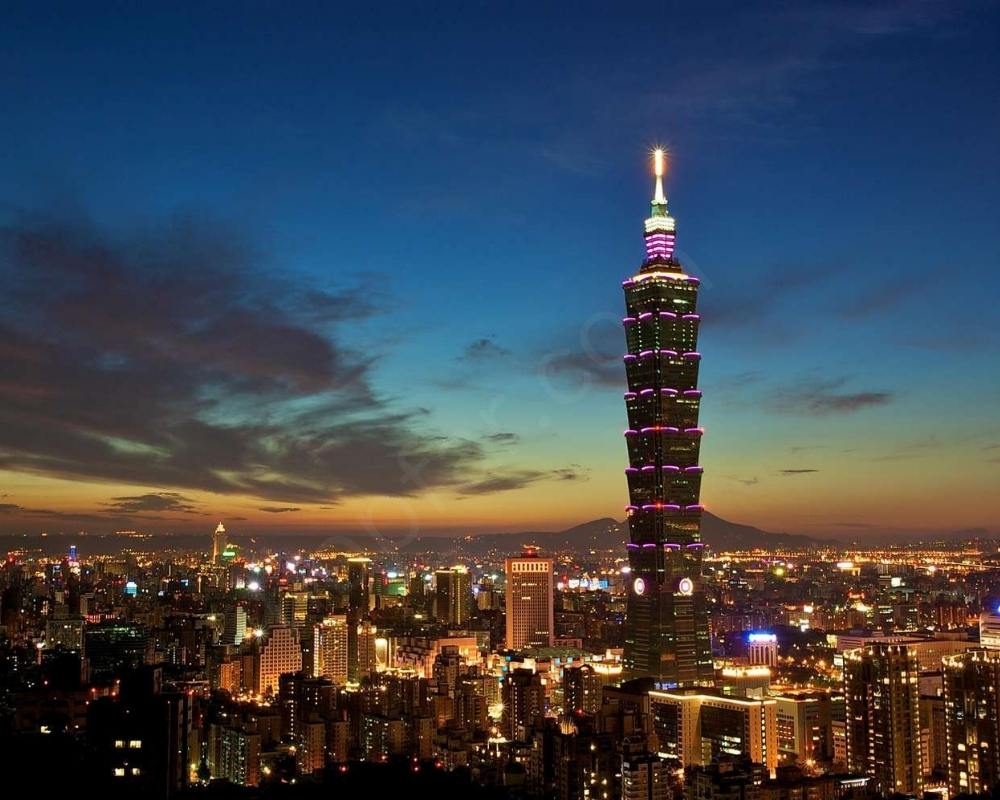
Taipei 101, the world’s tallest building at the time of its completion in 2004, stands for Taiwan’s leading position in technology and cultural sophistication. The design uses the shape of the traditional pagoda as a symbol of respect for the country’s history. The construction used a tuned mass damper, a giant pendulum that helps the tower to sway gently in strong winds, an important factor in Taiwan where typhoons frequently occur.
These super high buildings are not just engineering marvels; they are monuments to human achievement, creativity, and our urge to explore the limits of what can be done. As technology and design keep improving, the future of skyscrapers will be awe-inspiring with unimaginably tall buildings that reach even higher into the sky.
by pankaj | Apr 1, 2024 | Beaches, Blog, Latest Post, Swimwear
Rivers are the blood vessels of our planet, twisting and turning through mountains and catalyzing biodiversity. Nevertheless, these are not only wide and long; some rivers plunge to amazing depths. Here, we delve into the top 10 deepest rivers on the planet where not even sunlight can penetrate, and where secrets lie submerged.
- The Mighty Congo
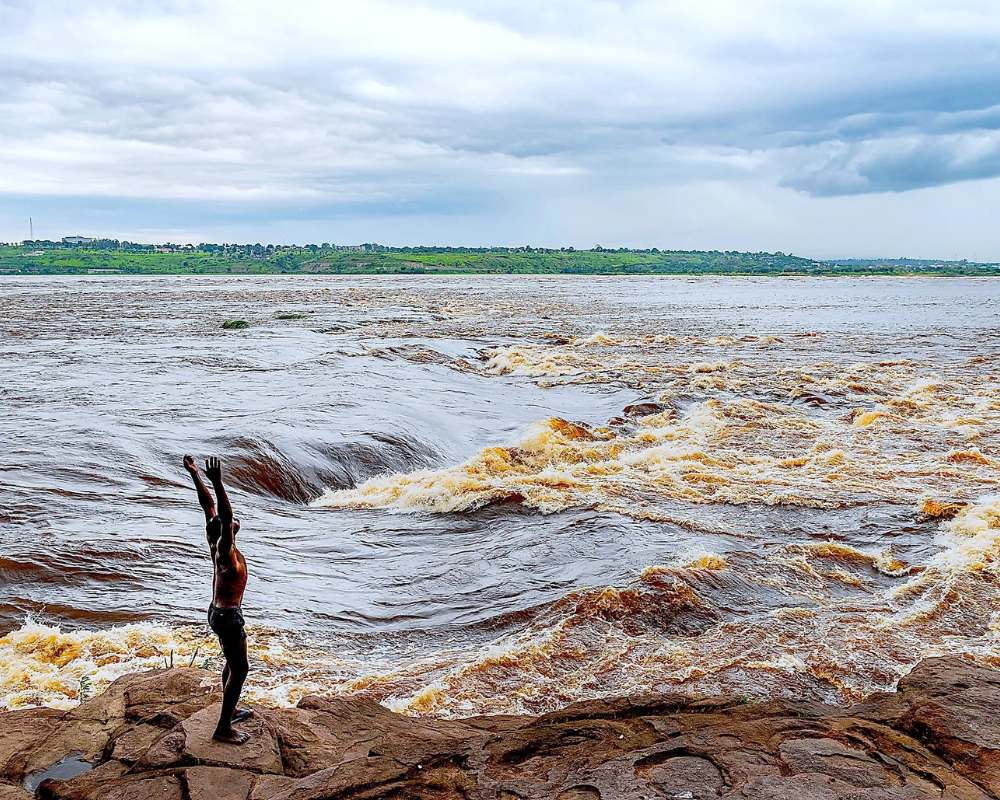
Taking the regal place is the Congo River in Africa. This oversized beast exceeds a depth of 720 feet, which makes it at least 60 feet deeper than the closest competitor. The Congo’s tremendous depth is a result of the trench carved of the African continent in the dramatic Congo Basin. This huge basin must have been created as a result of the rifting of the African plate many millions of years ago, and the Congo River, which has been tunneling its way down through eons, has created a deep underwater world. The river’s deep waters serve as a peculiar environment for fish accustomed to reduced lighting and high-pressure levels. Certain species, such as the blindfish, have been able to adapt to living in the absolute darkness of the Congo’s greatest depths.
- The Yangtze
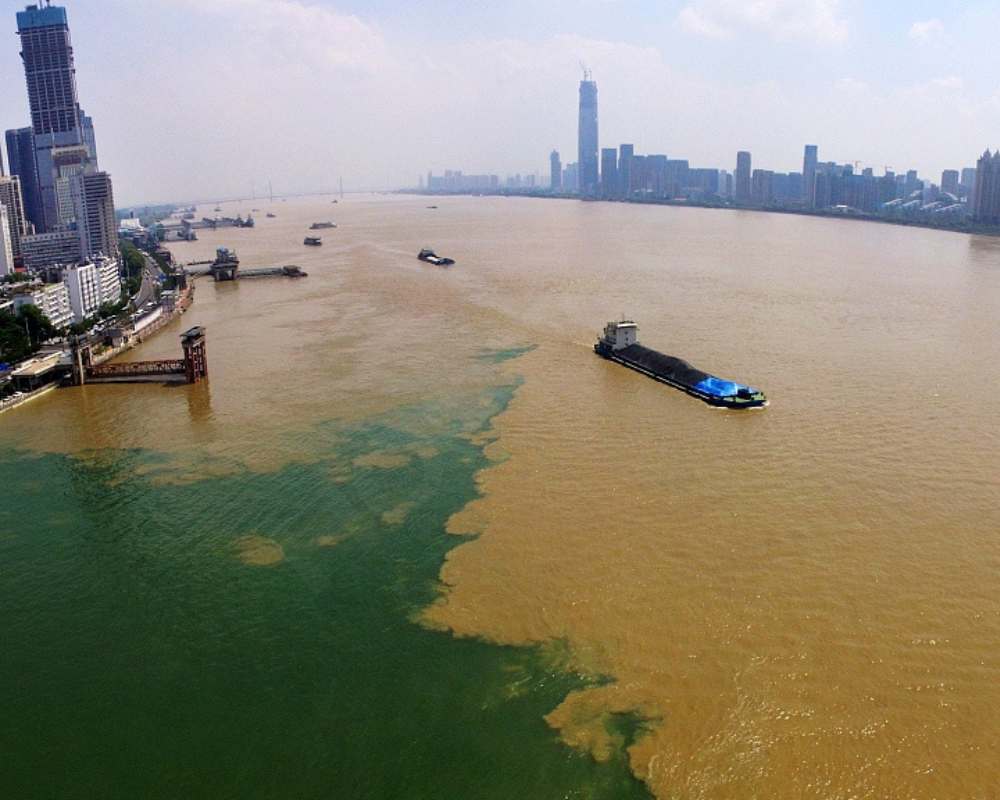
China’s Yangtze River ranks second in the depth category with up to 656 ft at its deepest points. It is both Asia’s deepest as well as the longest river. The Yangtze’s impressive depth portrays the huge gorges it was through, carved out over centuries by the abrasive water power. The Three Gorges Dam, the largest hydroelectric project worldwide, is located on the Yangtze and utilizes the energy contained in its deep waters and fast current.
- The Amazon
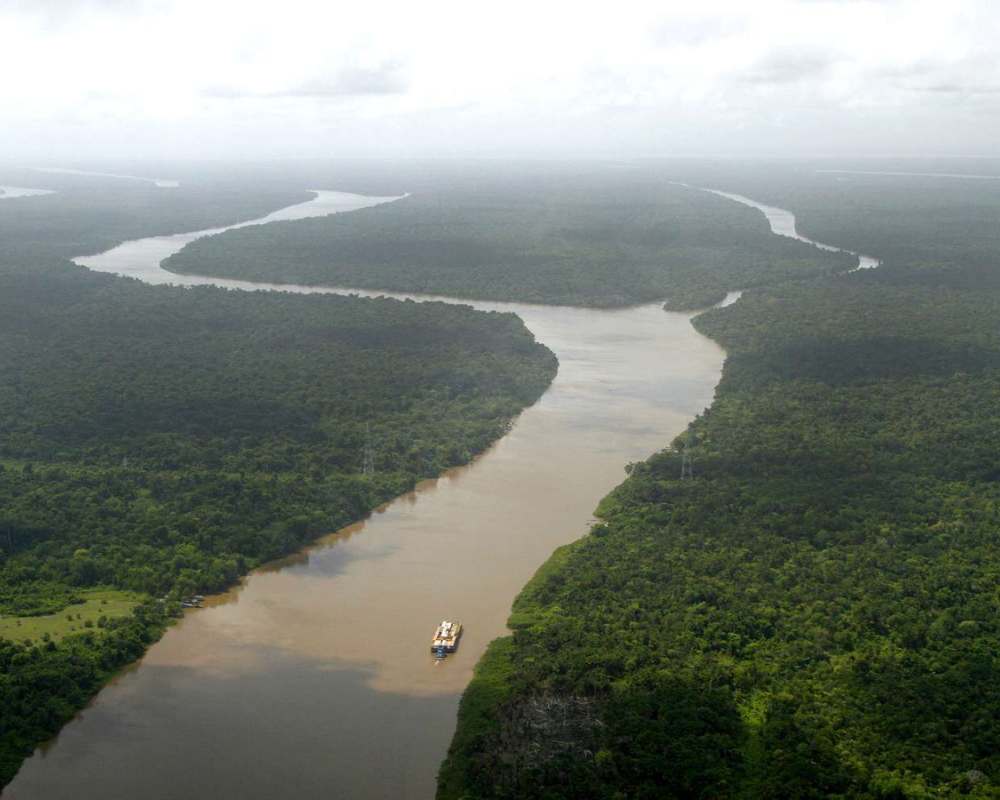
Although it is not the deepest of them all, Amazon river, however, must be mentioned due to the volume of water in it. The Amazon River is the longest and sweetest water river in the world. Although the maximum depth is around 230 feet, it carries the most water of any river system globally. This mother of rivers is a lifeline for the Amazon rainforest, one of the most diverse regions of nature on the planet. The Amazon’s riparian zone is very critical in this ecosystem, serving as a cool, stable environment for fish species and a refuge during drought periods.
- The Enigmatic Yenisei
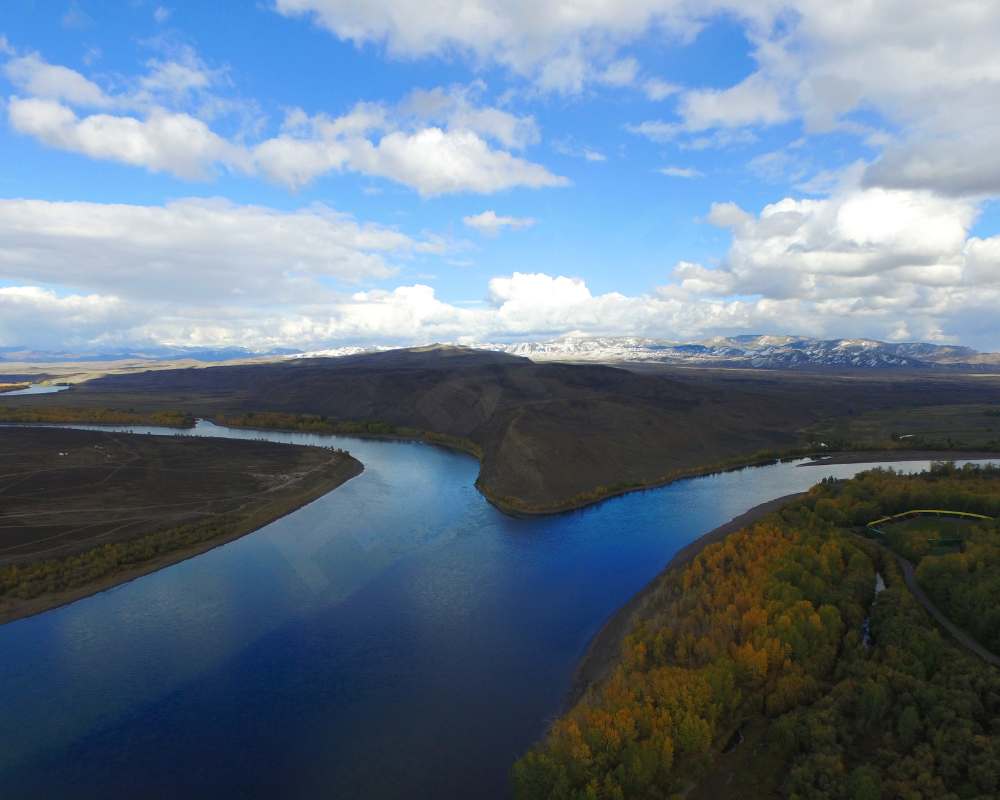
This narrow river, which flushes through many Siberian areas, has a depth equal to 330ft. This hidden river is enrobed in enigma as its deepest parts remain largely unexplored. The great depth of the Yenisei is probably due to its passage through canyons and gorges formed by the glaciers during the ice age. It is believed that the deepest parts are the habitat of aquatic creatures, which are adapted to the cold and darkness.
- The Historic Danube
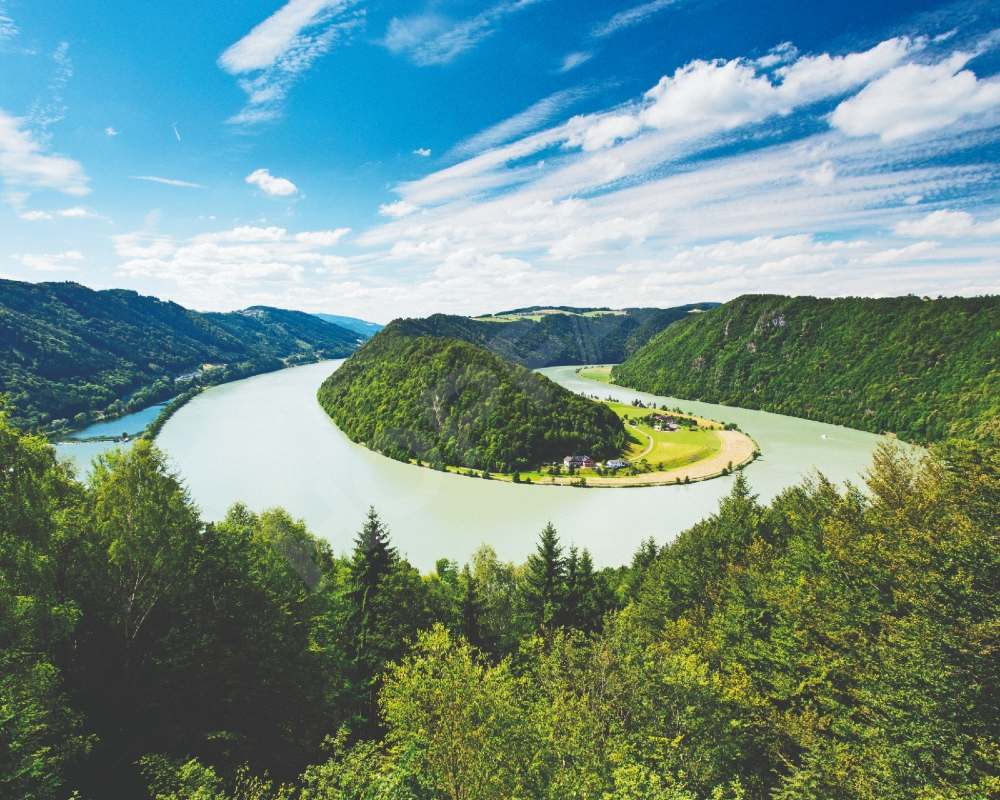
The Danube, Europe’s deepest river, has depths of close to 300 feet. The iconic one has been a pillar of European trade and culture for millennia, tracing the border between countries. The Danube River is deep because of its way through the canyons and valleys in the past which were formed by the strong currents. When it came to the rivers’ navigability, the depth also had a significant influence, as larger vessels can sail in deeper areas with greater ease.
- The Powerful Parana
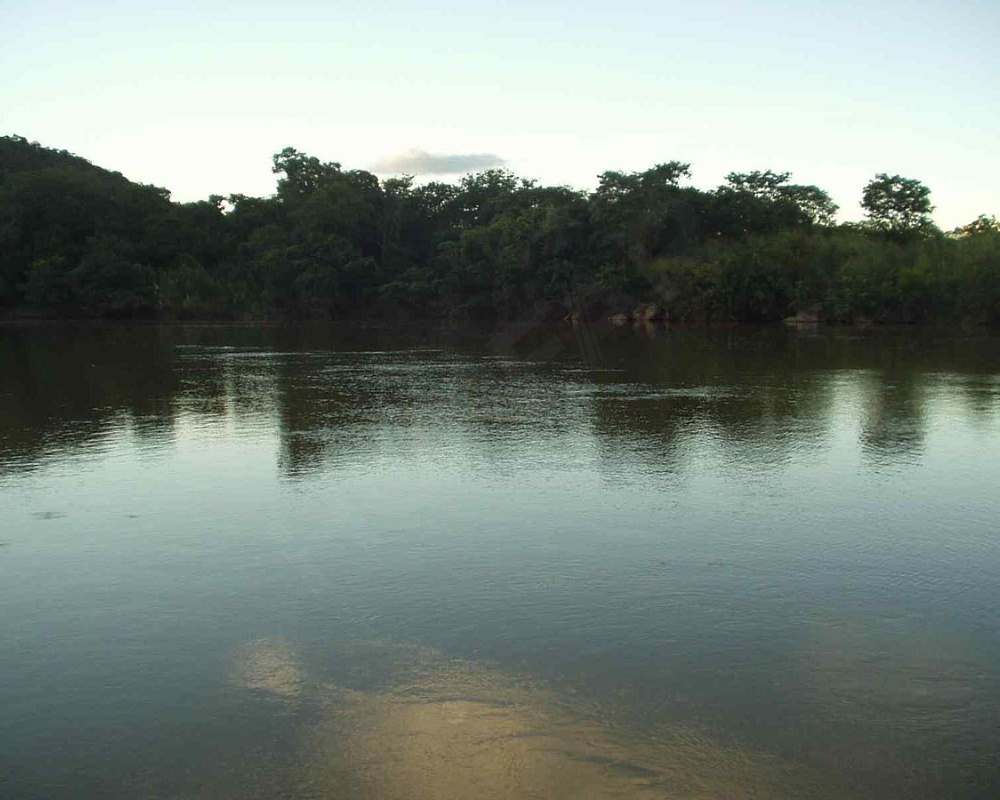
The Parana river in South America has an astonishing outlook since it can be 260 feet deep. As the source of hydropower and transportation, this lifeline river is one of the most important components of the regional economy. The depth of the Parana is possibly a result of the deep canyons it has to make way through and the erosion caused by the overwhelming waterfalls like none other than the astounding Iguazu Falls. The deep sections of the Parana River abound with fish species, and some places are famous for the sport fishing opportunities they provide.
- The Underrated Ubangi
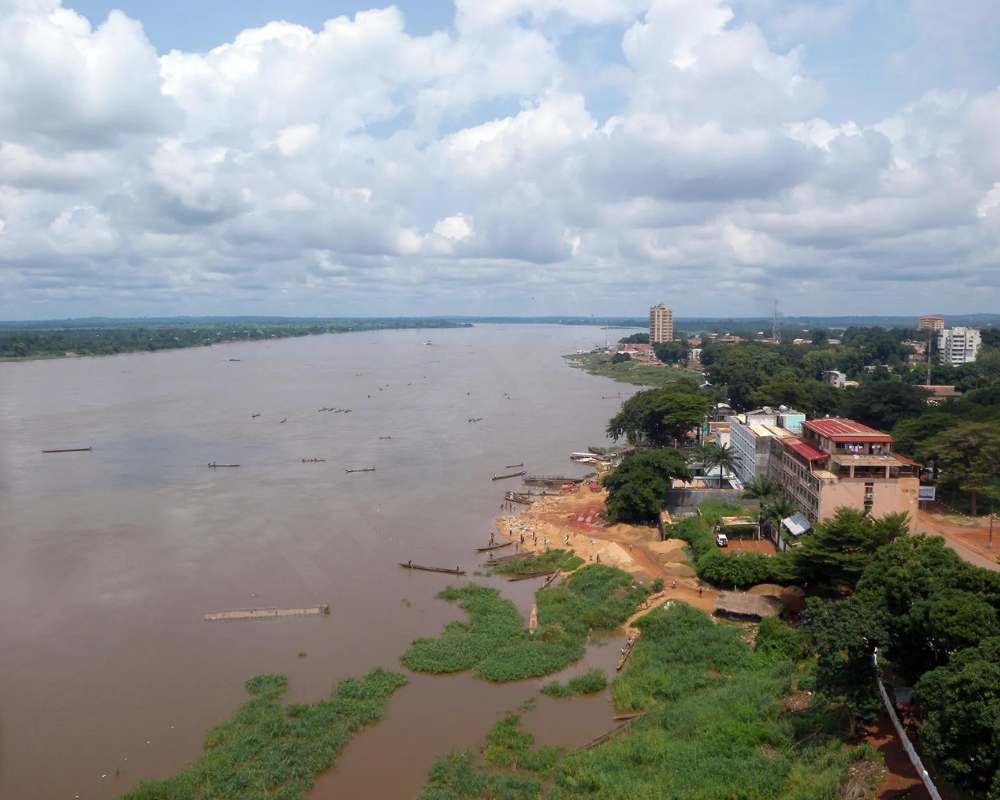
The Ubangi River, an important tributary of the Congo, has the greatest depth of over 500 feet. This crucial waterway makes a huge portion of the total volume of water carried by the Congo River network. The depth of the Ubangi can be explained through its itinerary through the Central African Rift Valley, a region that is famous for its dramatic geological features and deep faults. The lungfish species, which can survive in low-oxygen environments, are the Ubangi’s depth’s residents.
- The Intriguing Orange
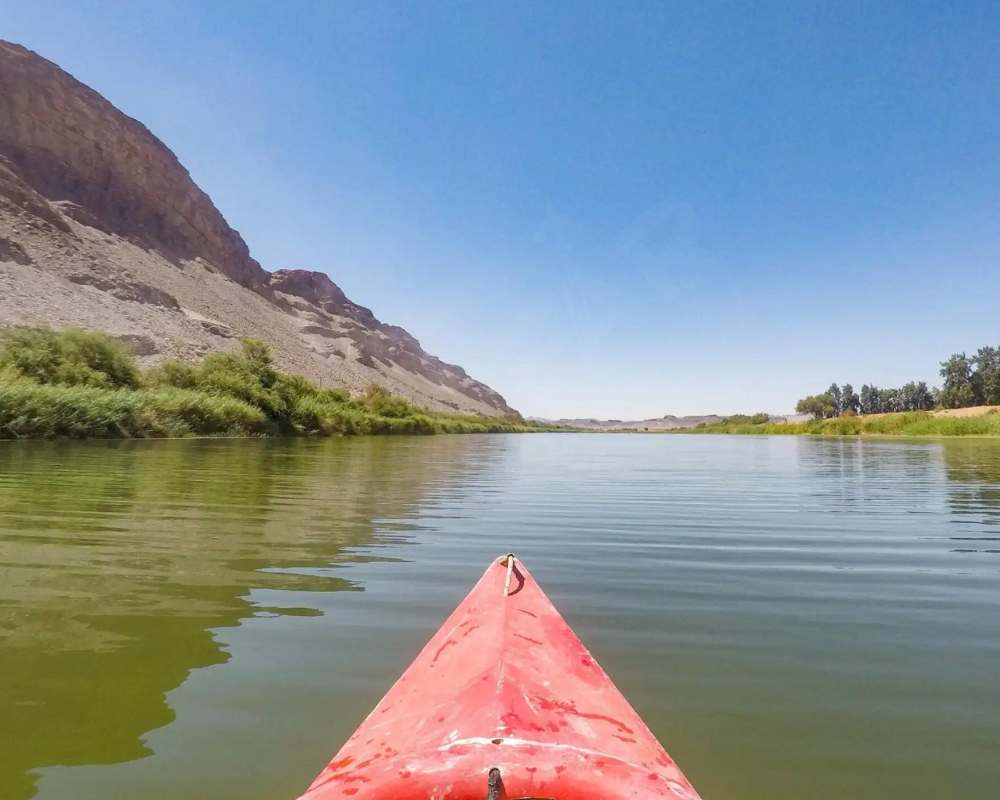
The Orange River in Africa surprises with its 500-foot-depths in some portions. This river is known by many from its name just as it carries heavy sediment load and it gives its waters a color of reddish-brown. The Orange River’s depth is probably caused by it flowing through prehistoric canyons built by powerful currents of water. The Richtersveld Canyon, the UNESCO World Heritage Site, is an example of the geological wonders formed by the pounding of the everlasting Orange River, which reveals the amazing depths of the river.
- The Mississippi
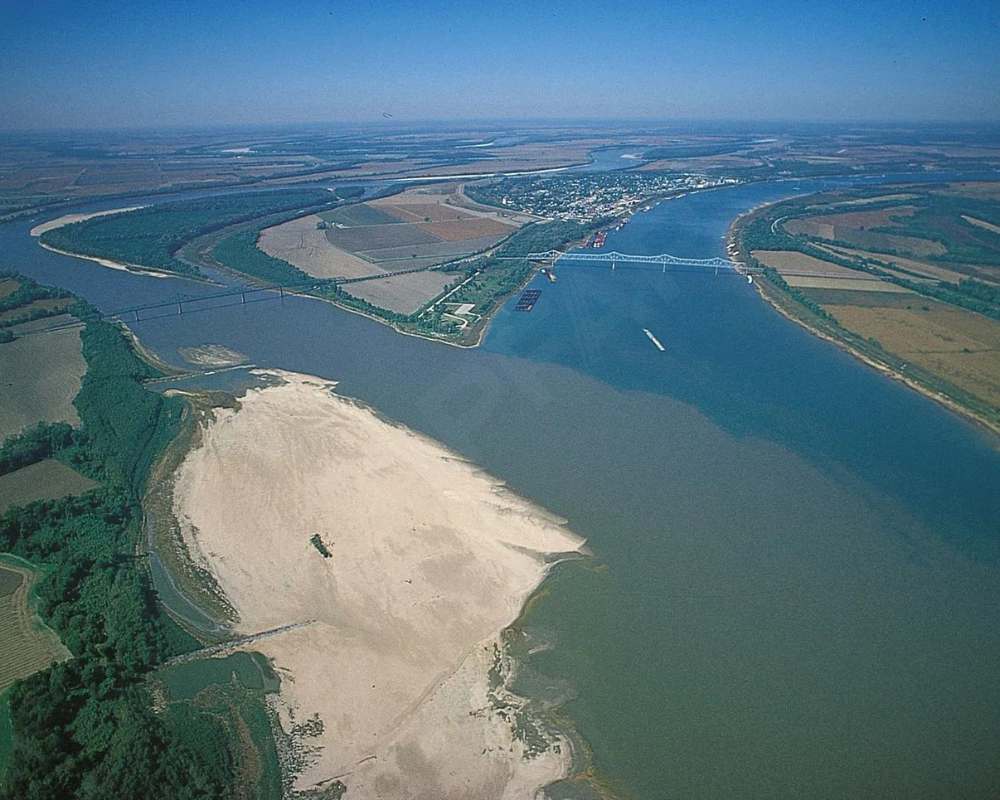
The Mississippi River, known to be the longest river and for its cultural significance, will leave you with more than that because of its depth. Although the Mississippi does not reach the limits of the Congo or Yangtze rivers with their depths of more than 200 feet, the Mississippi also has very deep areas near New Orleans. This amazing depth is probably due to the eroding processes over the years as well as the scouring effect by the powerful currents which carry the sediment along with them. The Mississippi’s depth plays a very important role as a large transportation corridor as it enables large barges and ships to cruise its waters.
- The Mysterious Irrawaddy
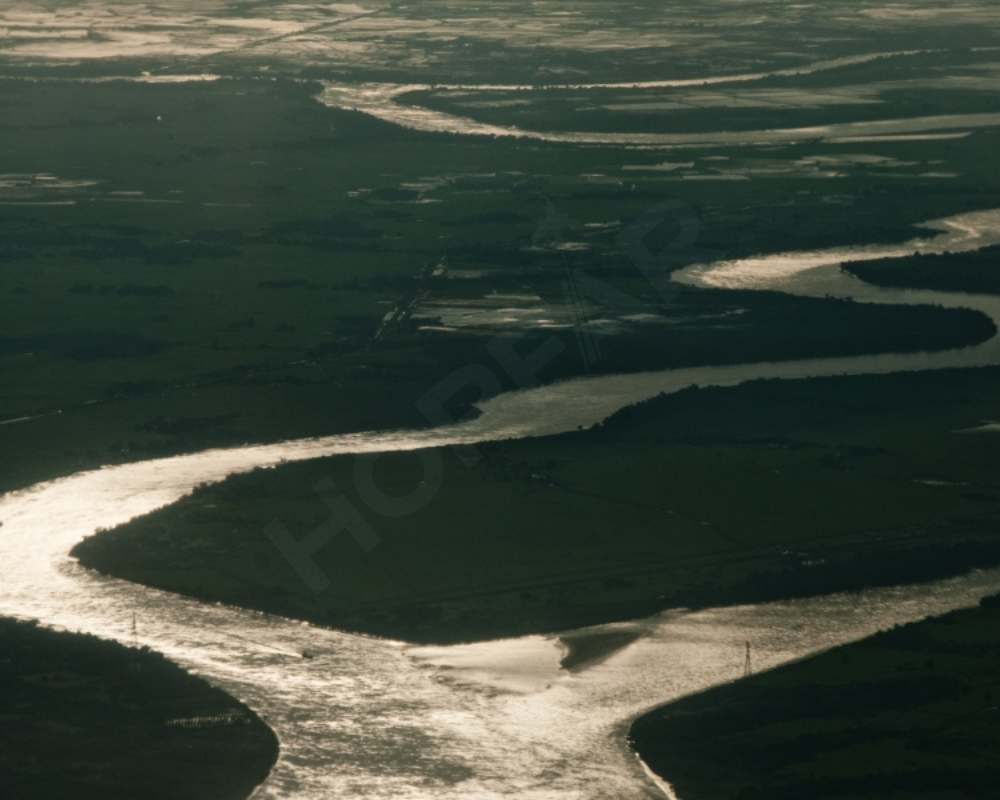
Last, but not least, we have the Irrawaddy River, which meanders through Myanmar. This important watercourse has depth exceeding 150 feet and it performs transportation, irrigation, as well as protects the ecology of the region. The Irrawaddy’s depths, probably, comes from its way through valleys and gorges influenced by centuries of the water flow. Most of the Irrawaddy’s underwater life is still mysteriously untouched, the rivers could harbor a lot of secrets about its aquatic eco-system of which scientists still know little.
From the giant Congo River to the mysterious Irrawaddy, deep rivers enthrall us with their secretive worlds and their ecological significance. With every step we take into these underwater spaces, our understanding of the intricate function of rivers in shaping the globe and supporting life forms grows.
by pankaj | Mar 30, 2024 | Blog, international, Latest Post
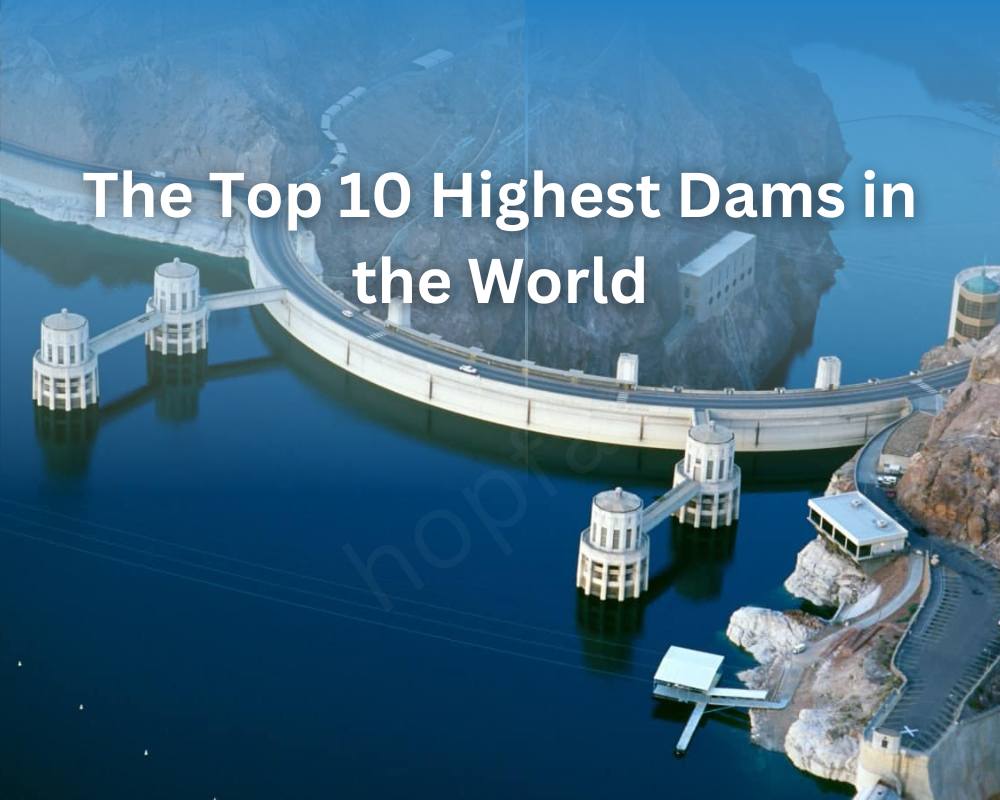
Dams, mighty evidences of human creativity, have formed landscapes and tamed water flow for thousands of years. From producing electricity to providing water for irrigation, these giants play different roles. Today, we move to the top of the superlative world, studying the top 10 dams on our planet, which is the result of human knowledge and ambition.
- Jinping-I Dam (China)
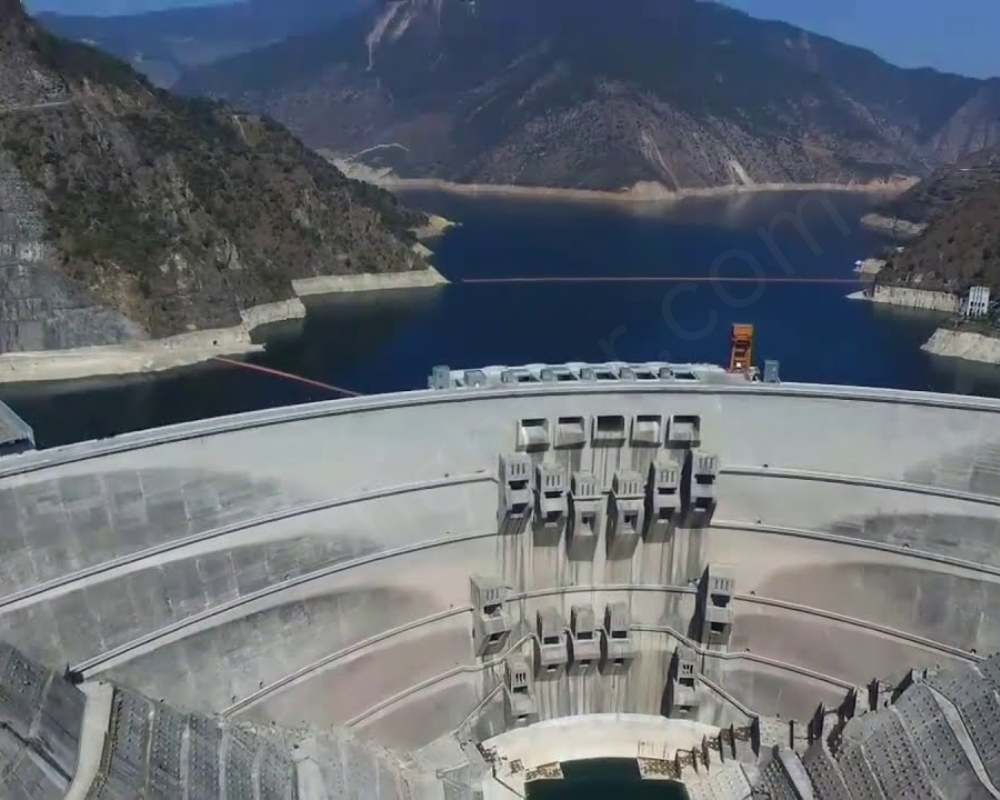
On the top is the Jinping-I Dam in China with an overwhelming height of 305 m (1,001 ft). This amazing architectural structure depends on a strong arch design to prevent the flooding of the Yalong River. The dam’s horseshoe-shaped arch arches above the valley below, creating a beautiful silhouette. Its 13.5 kilometers (8.4 miles) long ridge is broad enough to take a multi-lane highway. The Jinping-I Dam not only impressed us with its height but demonstrates China’s devotion to innovation and the development of infrastructure.
- Nurek Dam (Tajikistan)
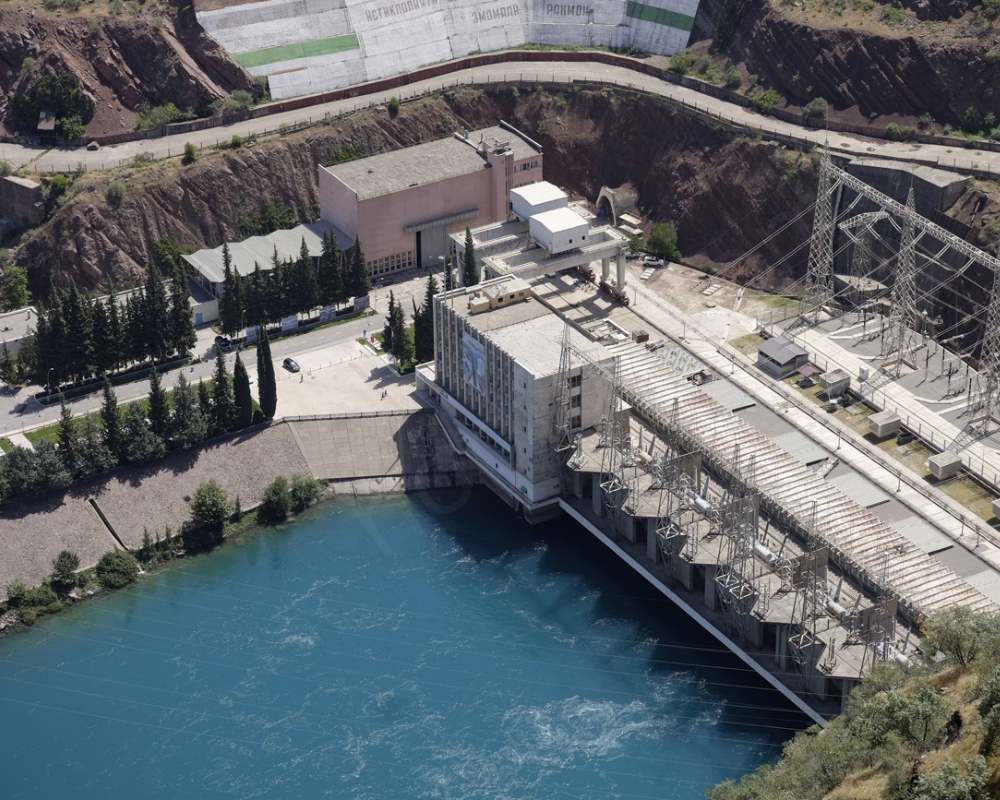
The Nurek Dam, located in Tajikistan, comes in second at 300 meters (984 ft). This giant is known as an embankment dam, which is a symbol of the vast scale of earthworks that are typical of modern engineering. The construction of the dam required moving a whopping 56 million cubic meters of rock and soil where an army of workers unceasingly toiled and bore the fruits. The Nurek Dam is not only an architectural miracle but also represents the will of the Tajik people to utilize their natural resources for economic development.
- Grande Dixence Dam (Switzerland)
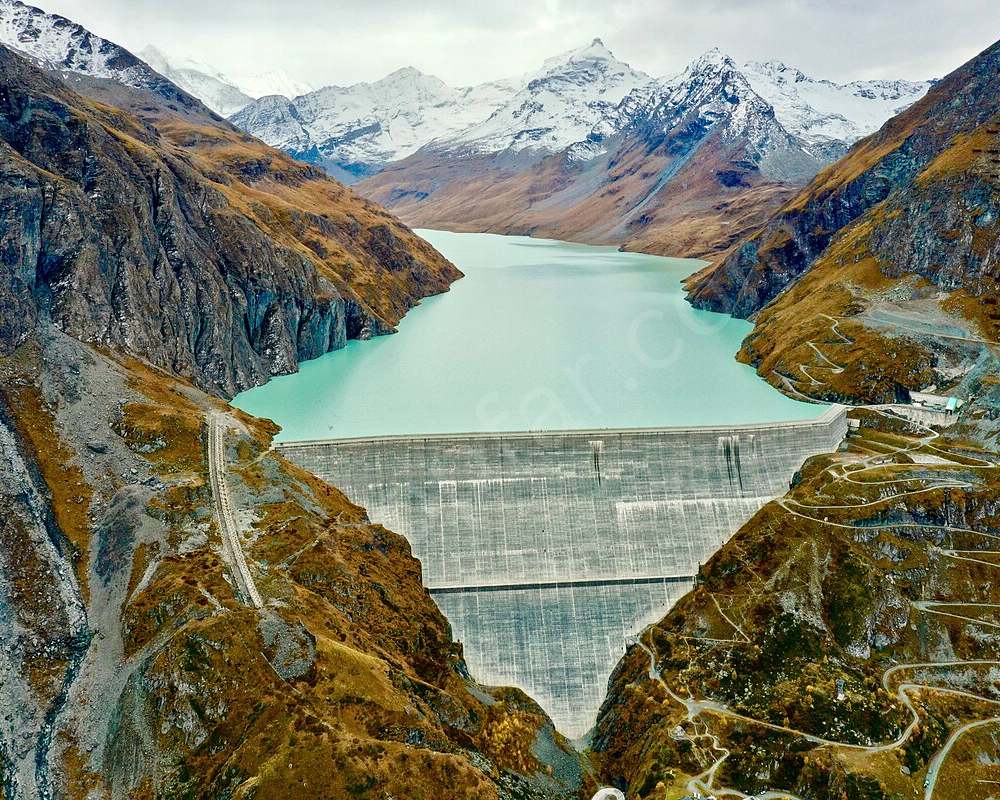
The crown for the highest gravity dam is taken by the Grande Dixence Dam in Switzerland. Standing an impressive 285 meters (935 ft) tall, this concrete colossus casts up the power of Dixence River. The construction of the dam requires special funicular railways designed for the transportation of materials to the site, remote and chaotic, that cannot be reached by usual means of transportation. The Grande Dixence Dam is not only a source of clean energy but also confirms Switzerland’s reputation as a leader in engineering and environmental conscience.
- Rogun Dam (Tajikistan)
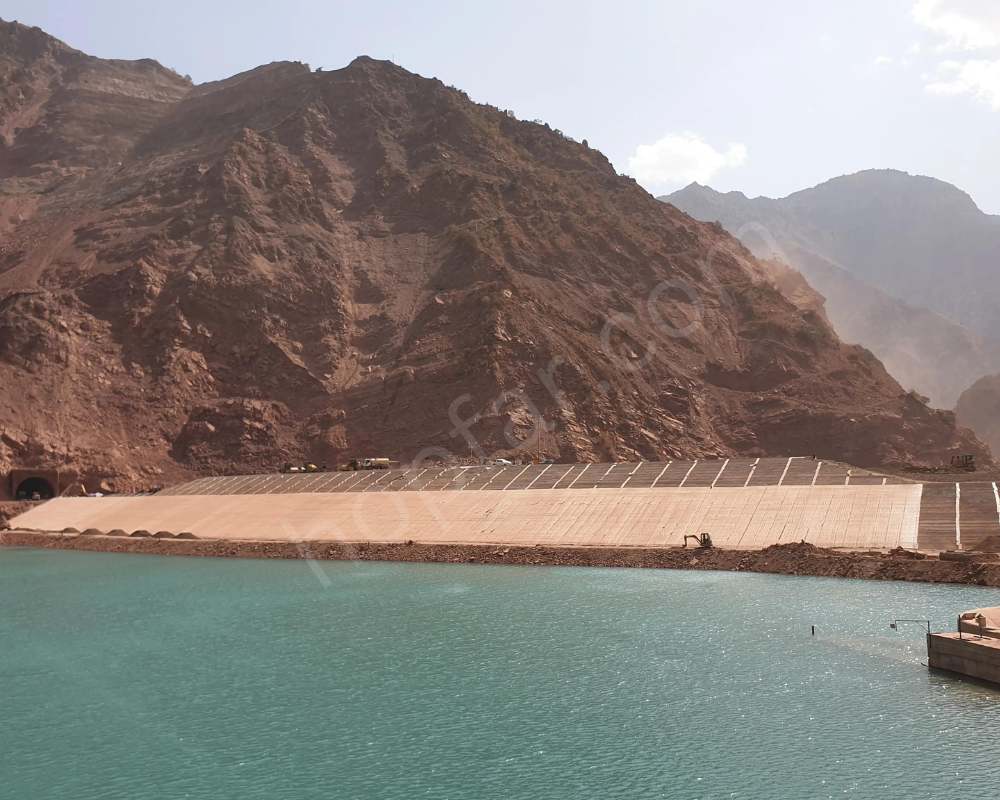
One more Tajikistani treasure adorns the list – the Rogun Dam. Even though it’s still under construction, it’s expected to reach a height of 335 meters (1,100 ft), following up on its mission of being a competitor for the top spot. The dam will be the world’s highest upon completion of its building, and its construction is thrashing the limits of engineering. The Rogun Dam represents Tajikistan’s desire for being a regional leader in energy production and confronting the hurdles of funding and technical know-how.
- Guyuan Dam (China)
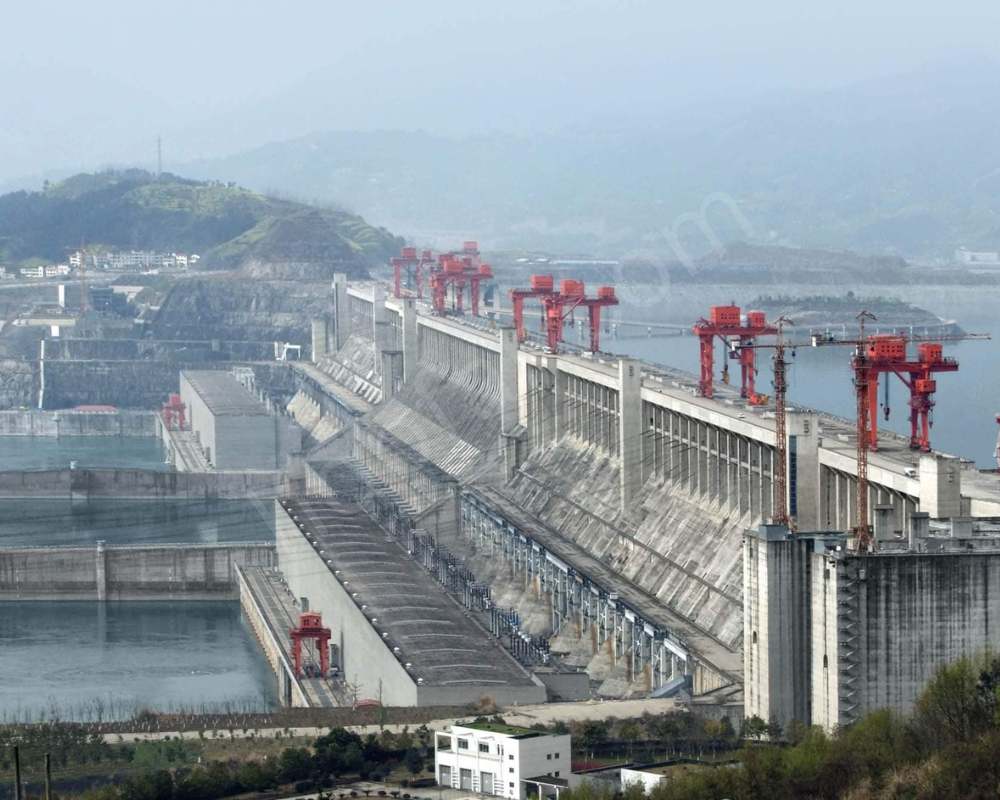
Another China’s appearance matches the Guyan Dam with a height of 272 meters (892 ft). This arch dam of modern Chinese engineering is a marvel of the modern era. The dam’s operation took advantage of modern technologies such as 3D computer modeling that guaranteed its structural stability and safety in the earthquake zone of the area. The construction of the Guyuan Dam shows both China’s advantages in dam construction and the sustainable development in the face of challenges of geological conditions.
- Vajont Dam (Italy)
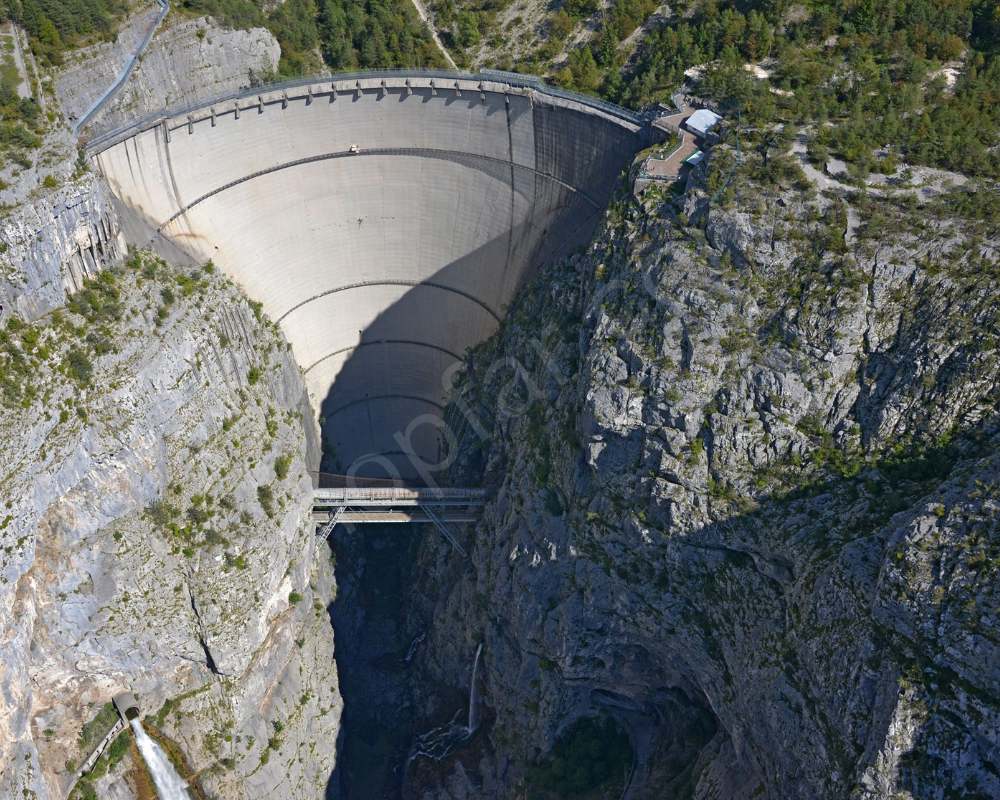
The Vajont Dam in Italy, at 262 m high (860 feet), is a poignant lesson on the natural power. A tragic landslide in 1963 left the dam underwater, thus emphasizing on the careful environmental factors during construction of the dam. The Vajont Dam was a lesson and basically an awakening to the need of complete geological studies and risk assessment before embarking on such big massive projects. The tragedy of the Vajont Dam is a symbol of Italy’s engineering ingenuity and the wisdom of the mistakes of the past.
- Xiaowan Dam (China)
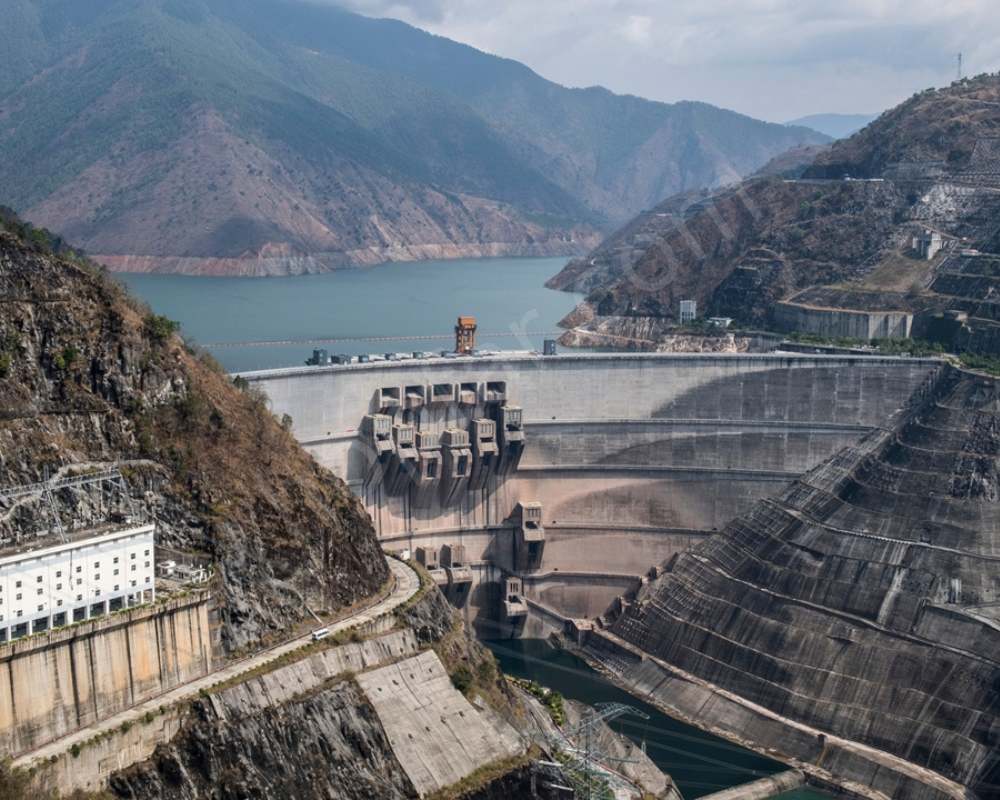
China occupies another place with the Xiaowan Dam at a height of 292 meters (958 ft). This double-curvature arch dam is not only challenging to construct but also a wonder of aesthetic complexity. The dam’s distinctive curved shape gives it the ability to endure high water pressure thus becoming ideal for the stretch and steepness of the river valley it impounds. The Xiaowan Dam illustrates China’s professionalism in the field of building strong structures that are capable of withstanding the natural forces but still meeting the growing water and energy needs respectively.
- Nourek Dam (Iran)
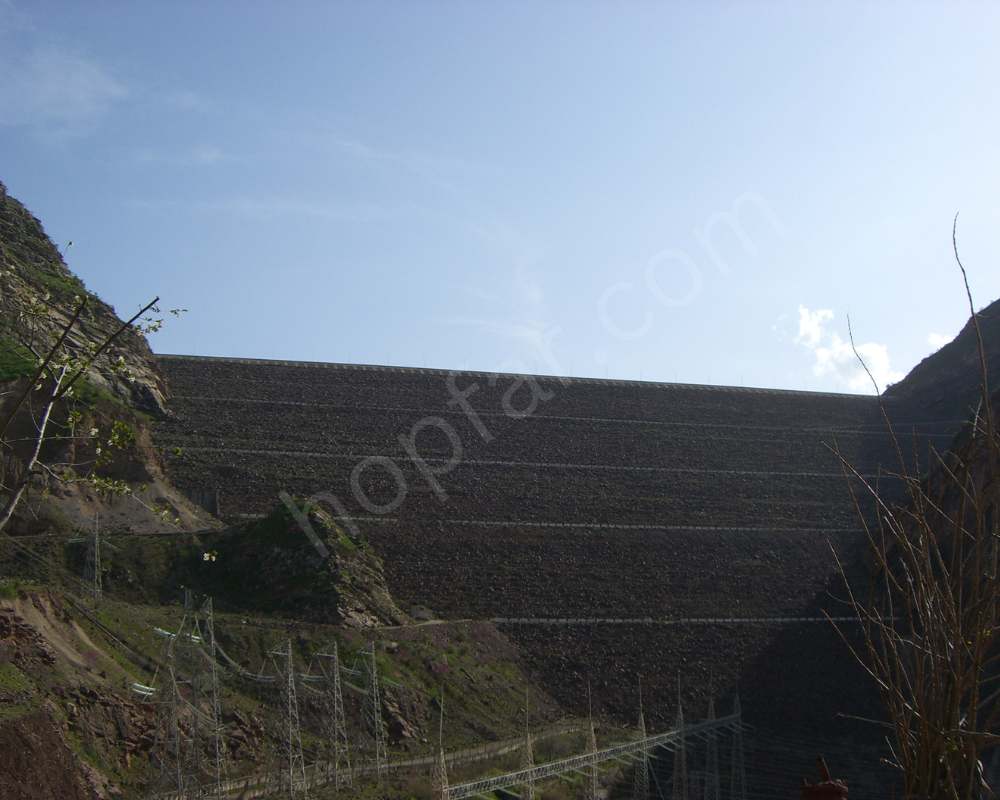
The largest dam in the Middle East, the Nourek Dam in Iran, extends to a height of 255 meters (837 ft). This dam with two arches is a highly valuable resource for the area providing both water and hydroelectric power. The dam does not only generate electricity but also stabilize the flow of the Hari River which reduces the risk of flooding and maintains a steady flow of water for irrigation. The Nourek Dam reflects Iran’s commitment to increasing infrastructure to close the infrastructural gap, along with their efforts to face water management issues in a semi-arid region.
- Longtan Dam (China)
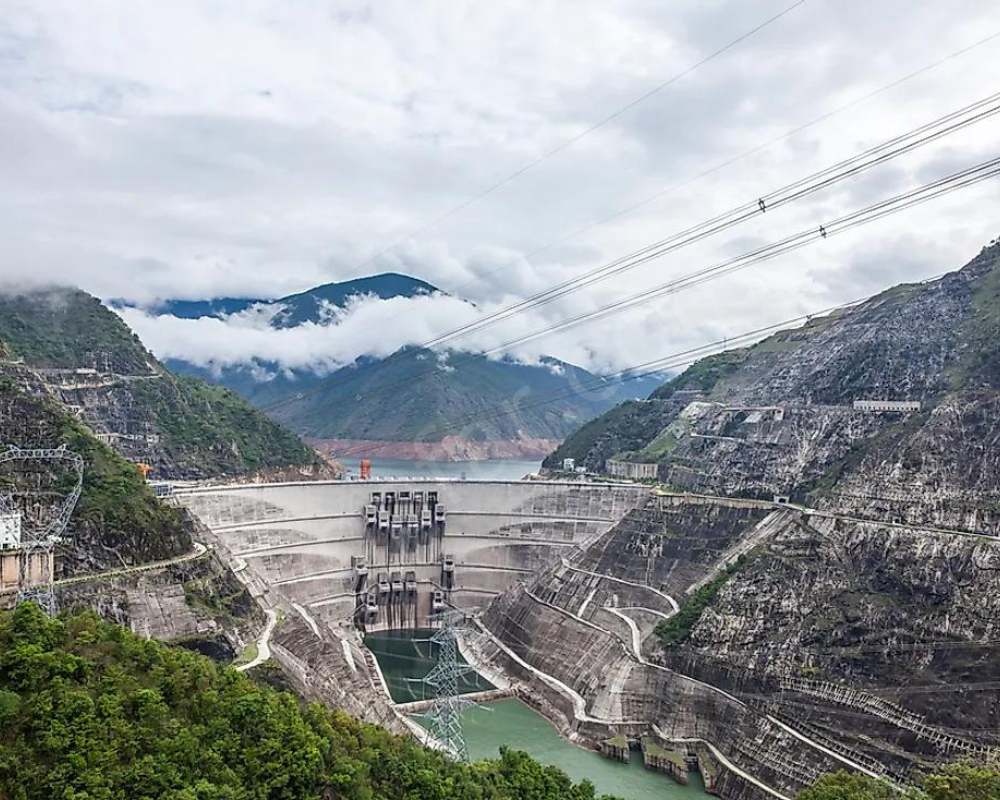
China also takes the ninth position with Longtan Dam’s height of 277m (909 ft). This is another example of Chinese leadership in dam building. The Longtan Dam is integral for both flood prevention and electric power production in the economy-booming eastern provinces of China. With the progression of urbanization and industrialization, the Longtan Dam suggests China’s dedication to sustainable development and the protection of environmental conditions via wise water resource utilization.
- Sardoba Dam (Tajikistan)
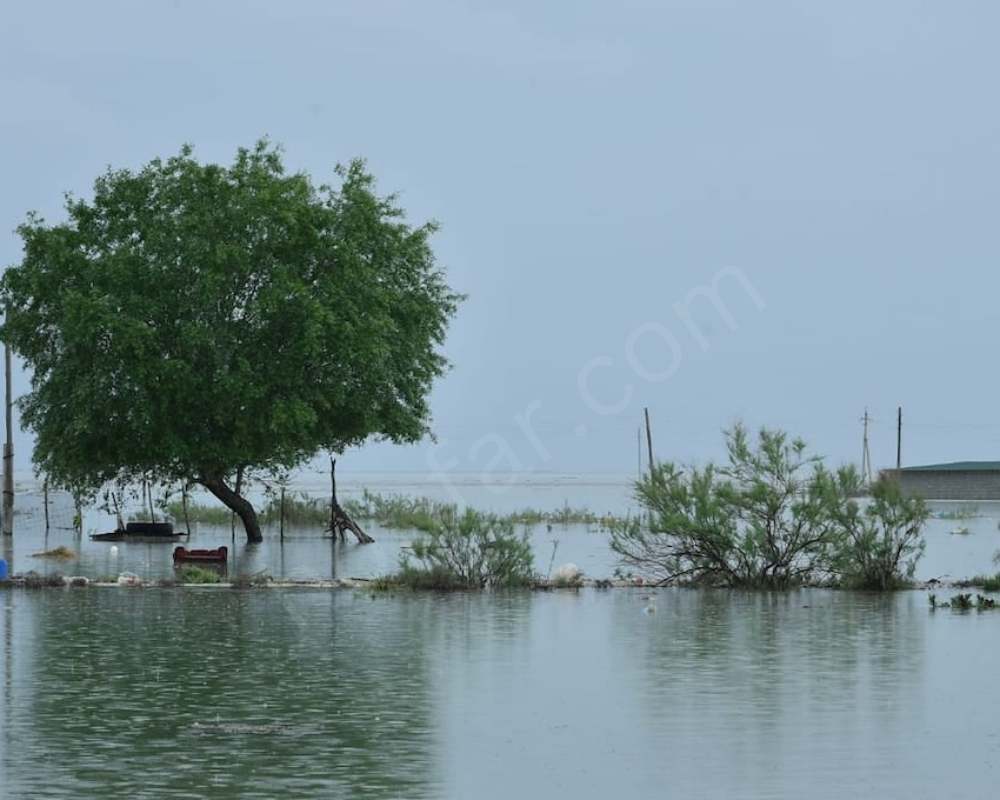
This rounds up the list with the trinity of Tajikistani dams including the Sardoba Dam, which is 265 meters (870 ft) high. This dam serves as a pivotal part in the management of water as well as hydropower production. The dam collapse of 2010 resulted in widespread damage, which brings to attention the need for appropriate maintenance and security procedures. The Sardoba Dam is not only a testimony of threats associated with large-scale infrastructure projects but also emphasis on maintaining the high safety standards and on-going monitoring to prevent huge failures.
These giants of civil engineering, with their gleaming charisma, speak of the spirit of human determination and ingenuity. They play very important roles as the major sources of water, irrigation, and electricity, thus transforming landscapes and the lives of numerous people on earth. While this can be true, we need to bear in mind that building a dam can also cause environmental and social problems. From disturbing the ecosystem to migrating the communities, these consequences must be sensitively reconsidered and mitigated. While we endeavor to take advantage of the potential of water we have to do it in a balanced and sustainable way, a situation which guarantees the future of both environment and humanity.